

Operation Process and Working Principle of Fiber Material Pneumatic Conveying
Fiber material pneumatic conveying systems are sophisticated industrial solutions designed to transport fibrous materials efficiently and reliably. These systems utilize air as the primary medium to move materials from one location to another, offering advantages such as reduced equipment wear, lower maintenance costs, and the ability to handle materials that are difficult to transport via traditional methods. The operation of these systems is based on the principles of fluid dynamics and material handling, ensuring consistent performance in various industrial applications. As a leading provider in this field, Shandong HeadPowder Engineering Co., Ltd. specializes in designing and implementing such systems tailored to meet the specific needs of different industries.
Key Components of a Pneumatic Conveying System
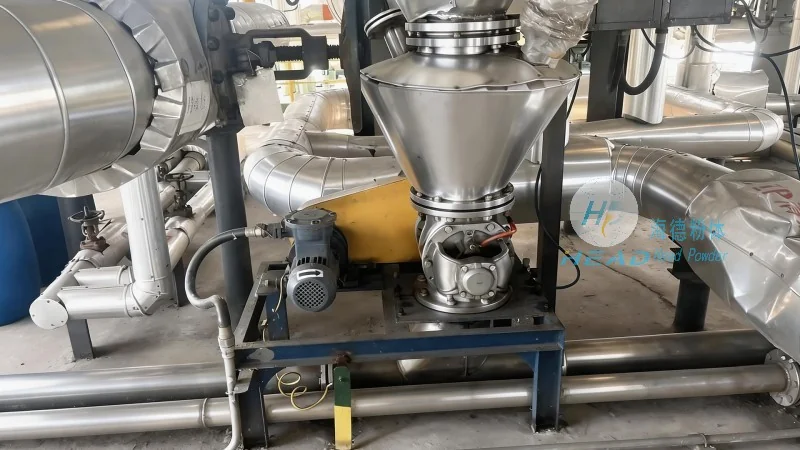
At the core of any fiber material pneumatic conveying system are several critical components that work in tandem to achieve effective material transport. These include the material feed hopper, which holds the fibrous material and regulates its flow into the system; the air supply unit, which generates the necessary pressure or vacuum to move the material; the conveying line, typically made of flexible or rigid tubing, that carries the material and air mixture; and the discharge device, which releases the material at the destination point. Each component plays a vital role in maintaining the system's efficiency and ensuring the safe and effective handling of fibrous materials. The system's design often incorporates additional elements like rotary valves for precise material control and check valves to prevent backflow.
The Working Principle of Pneumatic Conveying
The fundamental principle behind pneumatic conveying is the use of air to create a flow that entrains and transports the fibrous material. There are two primary methods: pressure conveying and vacuum conveying. In pressure conveying, compressed air is used to push the material through the system, while vacuum conveying uses a vacuum to draw the material from the source to the destination. For fibrous materials, the choice of method depends on factors such as material characteristics, system layout, and the distance between the source and destination. The system operates by creating a pressure differential or vacuum that pulls the material into the conveying line, where it is suspended and carried by the air stream. This process minimizes material degradation and ensures a consistent flow rate.
Operation Process of Fiber Material Pneumatic Conveying
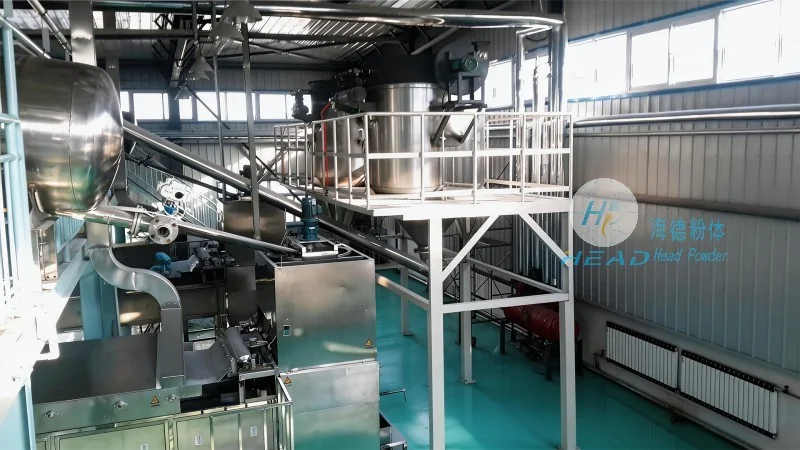
The operation process of a fiber material pneumatic conveying system involves several sequential steps that ensure smooth and continuous material transport. First, the fibrous material is loaded into the feed hopper, where it is stored and prepared for transport. The feed mechanism then regulates the flow of material into the conveying line, ensuring a consistent feed rate. Next, the air supply unit generates the required air pressure or vacuum, which is introduced into the conveying line. As the air flows through the line, it entrains the fibrous material, creating a mixture that is transported to the discharge point. At the destination, the material is separated from the air, typically through a cyclone separator or a filter, and collected in a receiving hopper. The system may also include additional components such as rotary valves, which control the flow of material into and out of the conveying line, and check valves, which prevent backflow and maintain system pressure. Proper synchronization of these components is essential for optimal performance.
Advantages of Fiber Material Pneumatic Conveying
Fiber material pneumatic conveying systems offer numerous advantages over traditional material handling methods. One of the most significant benefits is the ability to handle materials that are difficult to transport, such as those with high moisture content, abrasive properties, or fine particles. The system minimizes material degradation and contamination, as the material is not in direct contact with mechanical components for extended periods. Additionally, pneumatic conveying systems are compact and can be installed in tight spaces, making them suitable for various industrial settings. The reduced need for manual handling also enhances workplace safety and improves overall operational efficiency. These advantages make pneumatic conveying an ideal solution for industries requiring reliable and efficient material transport.
Applications in Industrial Settings
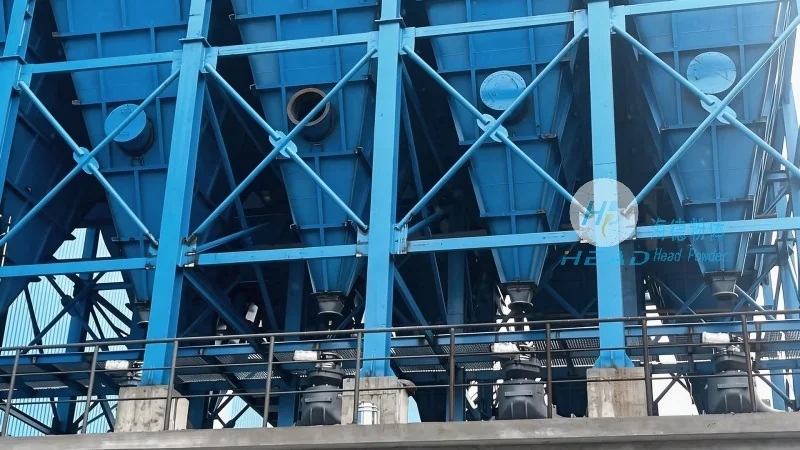
Fiber material pneumatic conveying systems are widely used in various industries, including the paper and pulp industry, where they are used to transport raw materials like wood chips and recycled paper. In the textile industry, these systems are employed to move fibers for spinning and weaving processes. The food and beverage industry also utilizes pneumatic conveying for handling fibrous ingredients, such as wheat bran or fruit pulp. Additionally, in the chemical and pharmaceutical sectors, these systems are used to transport fibrous raw materials or intermediates, ensuring a clean and efficient production process. Each application leverages the system's ability to handle diverse fibrous materials while maintaining high standards of efficiency and safety.
Maintenance and Troubleshooting
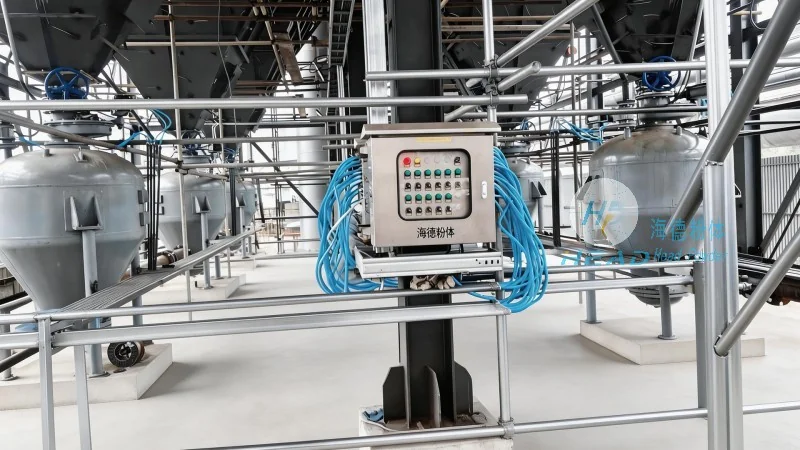
Proper maintenance is crucial to ensure the long-term performance and reliability of fiber material pneumatic conveying systems. Regular inspections of the conveying line for blockages or wear, cleaning of the feed hopper and discharge equipment, and checking the air supply unit for proper operation are essential. Common issues that may arise include material buildup in the conveying line, air leaks, or inefficient material feed. Troubleshooting these issues typically involves checking the system's pressure or vacuum levels, inspecting the material feed mechanism, and ensuring that the conveying line is clear of obstructions. By addressing these issues promptly, operators can maintain the system's efficiency and minimize downtime. Shandong HeadPowder Engineering Co., Ltd. provides comprehensive maintenance services to ensure systems operate at peak performance.
Conclusion
Fiber material pneumatic conveying systems are essential industrial solutions that offer efficient and reliable transport of fibrous materials. By understanding the operation process and working principles of these systems, industries can optimize their material handling processes, reduce costs, and improve overall productivity. With proper maintenance and operation, these systems provide a sustainable and effective method for transporting fibrous materials in various industrial applications. Shandong HeadPowder Engineering Co., Ltd. continues to innovate and provide advanced solutions to meet the evolving needs of the industry.