

The Operation Process and Working Principle of Aerodynamic Conveying for Sponge Sand
HeadPowder, a leading enterprise in the field of material handling technology, specializes in the design, manufacturing, and application of advanced aerodynamic conveying systems. This article provides a detailed overview of the operation process and working principle of aerodynamic conveying for sponge sand, a key product in our portfolio. The company, Shandong HeadPowder Engineering Co., Ltd., is headquartered in Shandong, China, and is committed to delivering efficient and reliable solutions for industrial material transport.
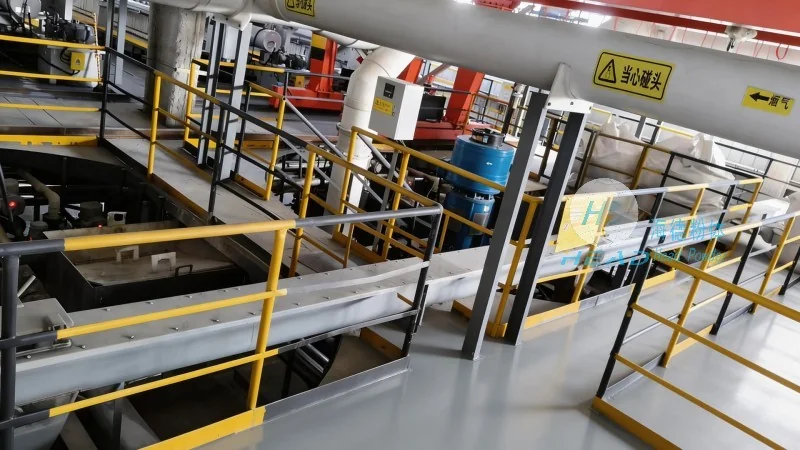
Company Profile and Core Information
HeadPowder, the brand name representing Shandong HeadPowder Engineering Co., Ltd., is a professional manufacturer dedicated to providing high-quality aerodynamic conveying equipment. The company is located in Shandong, China, and has established itself as a trusted partner in the material handling industry. Our focus is on developing innovative solutions that meet the diverse needs of clients, particularly in the processing of specialized materials like sponge sand. By leveraging our expertise in fluidization and pneumatic transport, we ensure that our systems deliver optimal performance and durability.
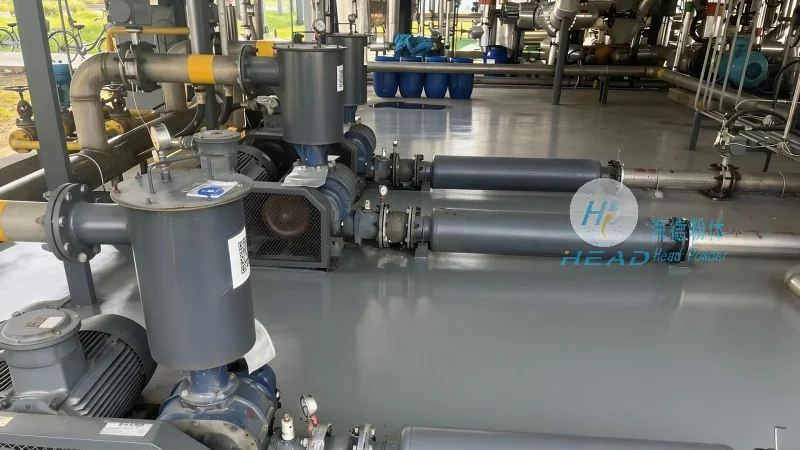
The Working Principle of Aerodynamic Conveying for Sponge Sand
The aerodynamic conveying system for sponge sand operates on the fundamental principle of using compressed air to transport bulk materials through a pipeline. The process begins with the material being fed into a hopper or feeder, where it is then introduced into the conveying line. As compressed air is introduced into the pipeline, it creates a low-pressure zone that draws the sponge sand particles into the flow. The air-sand mixture travels through the pipeline at high velocity, ensuring efficient transport over long distances. The system utilizes a combination of positive and negative pressure zones to control the flow and prevent material blockages. Key components include the feeder, air compressor, pipeline network, and receiver, each playing a critical role in the overall operation.
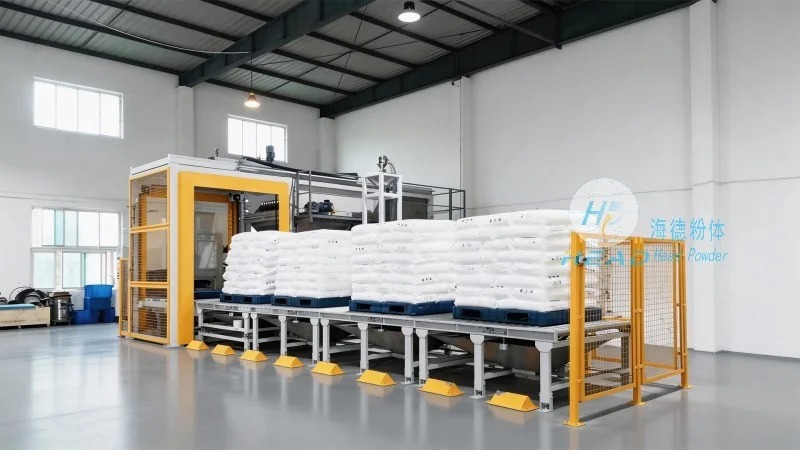
Step-by-Step Operation Process of the Sponge Sand Aerodynamic Conveying System
The operation of the sponge sand aerodynamic conveying system involves several key steps that ensure smooth and continuous material transport. First, the sponge sand is loaded into the feeding hopper, which is equipped with a control valve to regulate the flow rate. The feeder then delivers the material into the conveying pipeline at a consistent rate. Simultaneously, the air compressor generates high-pressure air, which is supplied to the pipeline through a series of air branches. The compressed air mixes with the sponge sand, creating a dense air-sand mixture that moves through the pipeline. The pipeline is designed with appropriate bends and fittings to maintain the flow velocity and prevent material separation. At the receiving end, the air-sand mixture is directed into a receiver where the air is separated from the sand using a cyclone or filter system. The separated sponge sand is then collected in a storage bin, while the air is either vented or recirculated back to the system. This closed-loop system minimizes material loss and ensures energy efficiency.
Key Advantages and Application Scenarios
The aerodynamic conveying system for sponge sand offers several advantages over traditional methods such as belt conveyors or bucket elevators. It provides a dust-free and hygienic transport environment, which is crucial for materials that require low contamination levels. The system is also highly flexible, allowing for changes in the conveying route without major modifications to the infrastructure. Additionally, it can handle a wide range of particle sizes and densities, making it suitable for various industrial applications. Typical applications include the transport of sponge sand in foundries, construction material processing plants, and recycling facilities. The system's ability to operate in both positive and negative pressure modes enables it to handle both loading and unloading operations efficiently.
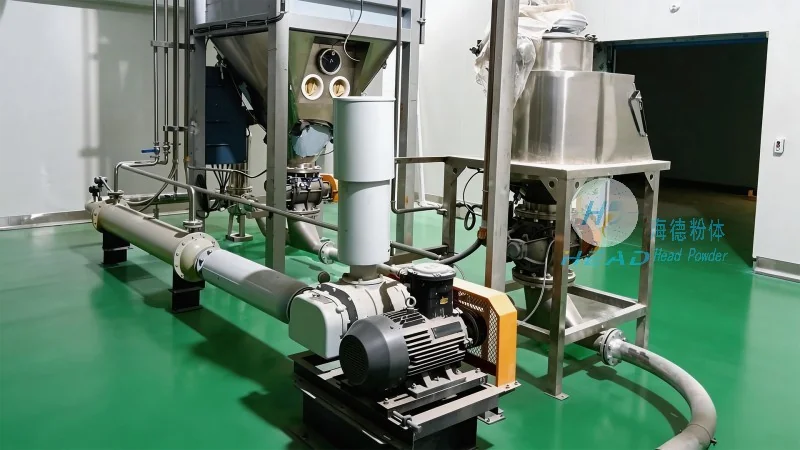
Conclusion and Service Commitment
Shandong HeadPowder Engineering Co., Ltd. continues to innovate in the field of aerodynamic conveying technology, ensuring that our systems meet the evolving needs of the industrial sector. By combining advanced engineering with practical application, we provide reliable solutions for the efficient transport of sponge sand. Our team of experts is dedicated to offering customized solutions that optimize material handling processes, reduce operational costs, and enhance overall productivity. With a strong presence in Shandong, China, HeadPowder remains committed to delivering high-quality products and services that meet international standards and client expectations.