

Operation Process and Working Principle of Sand and Gravel Pneumatic Conveying
Sand and gravel pneumatic conveying is a critical technology in material handling, especially for industries dealing with bulk materials like construction aggregates. This method efficiently transports sand, gravel, and other granular materials over long distances without the need for mechanical components such as belts or buckets. The process relies on the principles of fluidization and air movement to move materials through a pipeline system. Understanding the operation process and working principle is essential for optimizing efficiency and ensuring reliable performance in industrial applications.
The Core Operation Process of Sand and Gravel Pneumatic Conveying
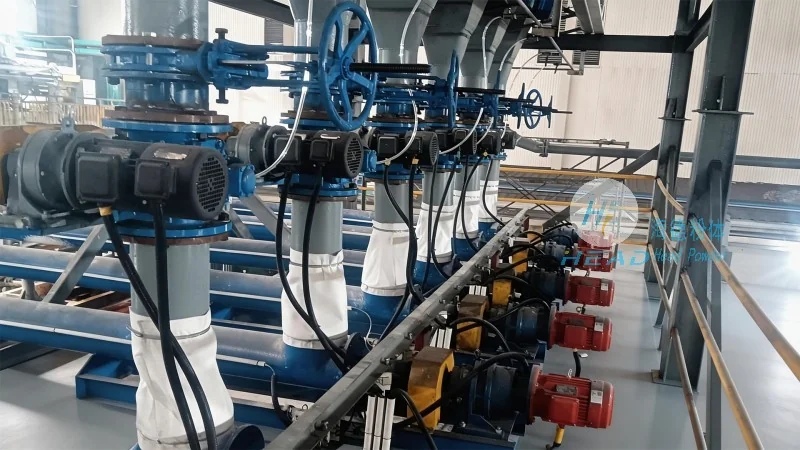
The operation process of sand and gravel pneumatic conveying involves several key steps that ensure smooth material transport. First, the material is fed into the conveying system, typically from a hopper or storage silo. A fan or blower then generates a high-pressure air stream that pulls the material particles into the pipeline. The air flow creates a suspension of the material, allowing it to be carried through the system. As the material travels, it may encounter various components such as bends, expansions, or filters, which help maintain the flow and prevent blockages. The process concludes at the discharge point, where the material is deposited into a receiving container or storage area. The entire operation is controlled by a system of valves, sensors, and controls that regulate air pressure, flow rate, and material feed rate. This systematic approach ensures consistent and reliable performance, minimizing downtime and maximizing throughput.
Working Principle of Sand and Gravel Pneumatic Conveying Systems
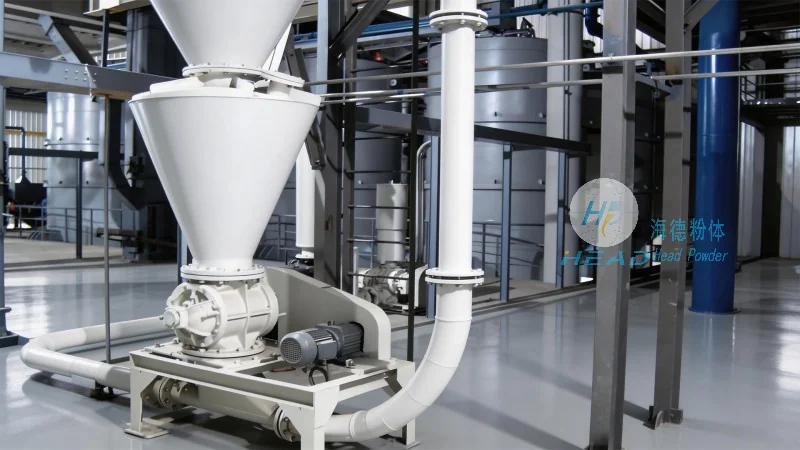
The working principle of sand and gravel pneumatic conveying systems is based on the interaction between air and solid particles. When air is introduced into a pipeline containing the material, it creates a low-pressure zone that draws the particles into the flow. This phenomenon, known as pneumatic transport, relies on the velocity of the air stream to lift and carry the material. The key factors influencing the system's performance include air velocity, particle size, and material density. Higher air velocities are generally required for larger or denser particles to maintain a stable suspension. The system can operate in either positive or negative pressure modes. Positive pressure systems use blowers to force air and material through the pipeline, while negative pressure systems use vacuum pumps to draw material into the system. Both modes have their advantages, with positive pressure being more common for long-distance transport due to its ability to handle higher material loads and overcome greater resistance. The working principle also involves the use of specialized equipment such as rotary valves, which control the material feed rate, and cyclone separators, which separate the material from the air stream at the discharge end. These components work together to ensure efficient material handling and minimal air loss.
Applications and Benefits of Sand and Gravel Pneumatic Conveying
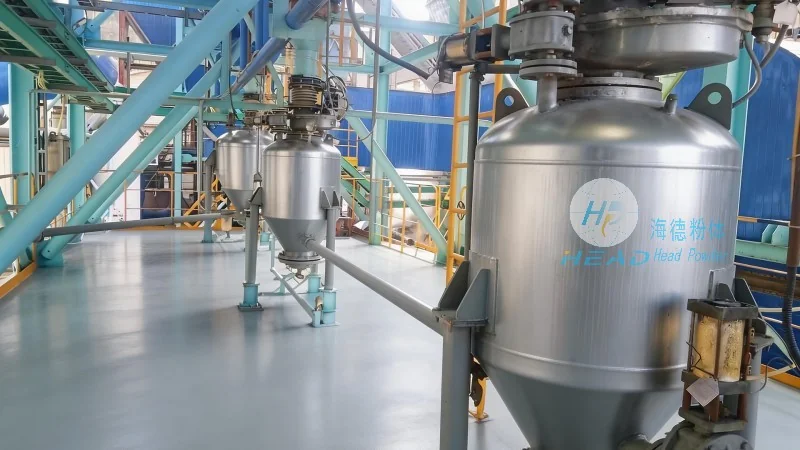
Sand and gravel pneumatic conveying is widely used in various industries, including construction, mining, and manufacturing. Its applications range from transporting raw materials to processing facilities to delivering finished products to storage areas. The technology offers several advantages over traditional mechanical conveying methods. One of the primary benefits is the ability to transport materials over long distances without the need for multiple transfer points or intermediate storage. This reduces the overall system complexity and lowers operational costs. Additionally, pneumatic conveying systems are more hygienic and cleaner than mechanical systems, as they do not require physical contact with the material, minimizing contamination risks. The systems are also more flexible, allowing for easy reconfiguration or expansion as production needs change. Another significant benefit is the reduced maintenance requirements compared to mechanical systems, as there are fewer moving parts and less wear and tear on components. This leads to lower maintenance costs and longer system lifespans. Furthermore, pneumatic conveying can handle a wide range of material types, including abrasive or corrosive materials, without causing damage to the system components. The technology's ability to maintain material integrity and prevent segregation makes it ideal for applications where material quality is critical.
About Shandong HeadPowder Engineering Co., Ltd.
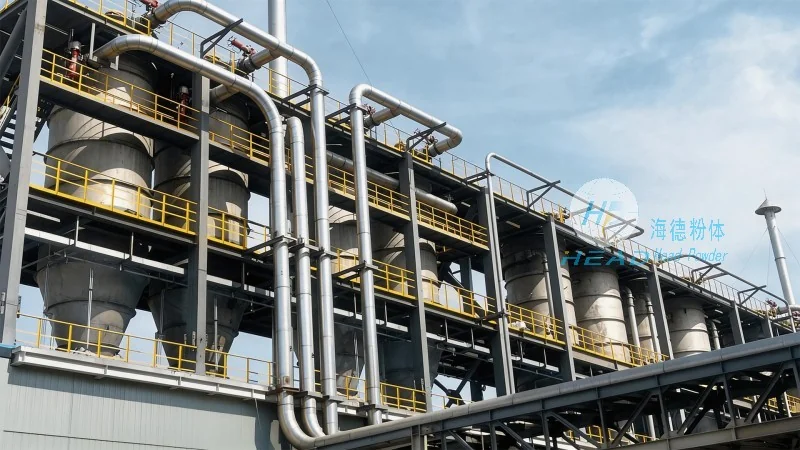
Shandong HeadPowder Engineering Co., Ltd., operating under the brand name headpowder, is a leading manufacturer and supplier of pneumatic conveying systems and related equipment. With a strong focus on innovation and quality, the company has established itself as a trusted partner in the material handling industry. Headpowder specializes in designing and manufacturing customized pneumatic conveying solutions tailored to the specific needs of its clients. The company's products are known for their reliability, efficiency, and durability, meeting the highest industry standards. Headpowder's team of experienced engineers and technicians works closely with clients to understand their requirements and develop optimal solutions. The company's commitment to customer satisfaction and technical excellence has earned it a reputation for delivering superior products and services. Headpowder's facilities are equipped with advanced manufacturing and testing capabilities, ensuring that every product meets stringent quality control standards. The company also provides comprehensive after-sales support, including installation, maintenance, and technical assistance, to ensure that clients can maximize the performance and lifespan of their equipment. With a presence in China and a global reach, headpowder serves clients in various industries, providing them with reliable and efficient material handling solutions.