

Principles and Application Scenarios of Limestone Material Pneumatic Conveying
Limestone, a widely used industrial material, often requires efficient and reliable transportation methods to meet production demands. Pneumatic conveying has emerged as a key technology for handling limestone, offering advantages such as low maintenance, flexibility, and the ability to transport materials over long distances. This article explores the fundamental principles of limestone material pneumatic conveying and highlights the distinctive characteristics of its application scenarios.
Principles of Limestone Pneumatic Conveying
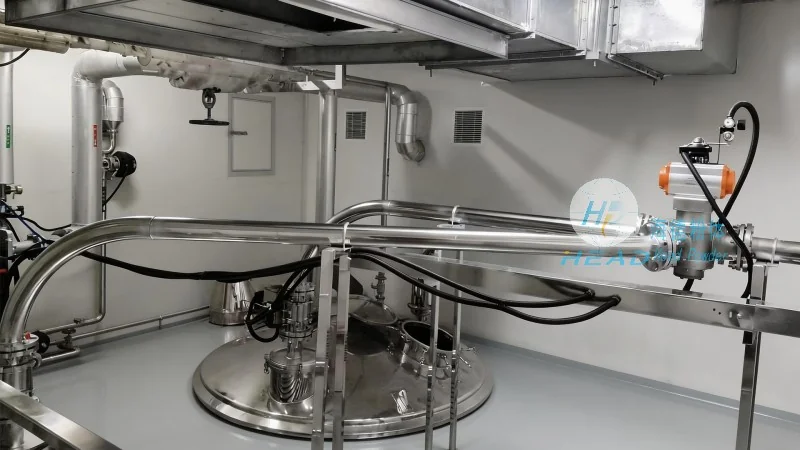
The core principle of pneumatic conveying involves the use of air or gas to transport particulate materials like limestone through a pipeline system. The process typically relies on creating a pressure differential, either by suction (negative pressure) or pressure (positive pressure), to move the material. For limestone, which is often in the form of crushed or ground particles, the system must be designed to handle the specific physical properties of the material, including particle size, density, and moisture content. The conveying system consists of several key components: a material feed hopper, a conveyor line (often equipped with bends and expansion joints), a separation or collection unit, and a dust collection system. The air flow is controlled to ensure consistent material transport, preventing blockages and maintaining system efficiency. In the case of limestone, the system must be robust enough to handle the abrasive nature of the material, which can cause wear on components over time. This is often addressed through the use of high-quality materials for the pipeline and components, such as stainless steel or specialized coatings.
Key Components and Their Function in Limestone Pneumatic Conveying
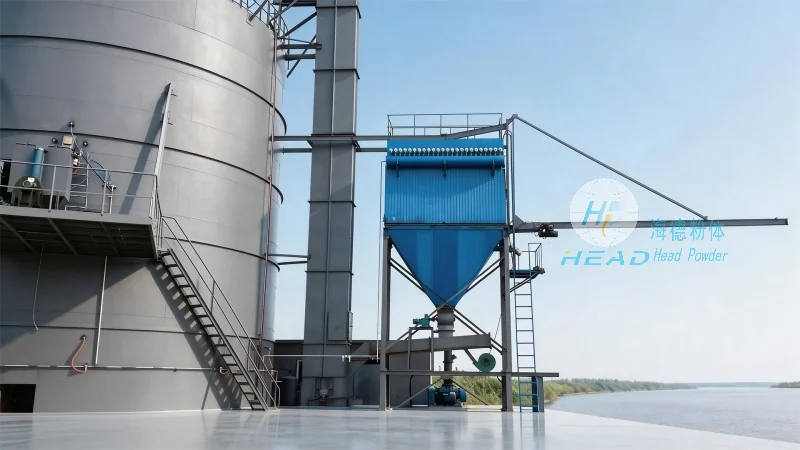
Each component of the pneumatic conveying system plays a critical role in the efficient transport of limestone. The material feed hopper is responsible for storing and feeding the limestone into the conveyor line. It is designed to handle bulk quantities and ensure a steady flow of material. The conveyor line itself is the main pathway for the material and air mixture. It must be constructed to withstand the pressure and abrasive effects of limestone particles, often using reinforced materials or protective coatings. Bends and expansion joints are incorporated into the line to accommodate changes in direction and accommodate thermal expansion, preventing stress on the system. The separation or collection unit is where the limestone is discharged from the air stream. This unit typically uses a cyclone or other separation technology to separate the material from the air. The separated limestone is then collected in a storage bin or directly into the next processing stage. The dust collection system is essential for maintaining air quality and complying with environmental regulations. It captures any fine particles that may escape the separation unit and filters the air before it is released back into the environment. For limestone, which can generate significant dust, a high-efficiency dust collector is crucial to ensure safe and compliant operation.
Application Scenarios and Operational Characteristics
The application scenarios for limestone pneumatic conveying vary widely depending on the specific industry and production requirements. In the cement industry, for example, limestone is a primary raw material and is often transported from quarries to the cement plant. The conveying system must be capable of handling large volumes of material over long distances, often several kilometers. The system may operate continuously to meet the high demand of cement production. In power plants, limestone is used as a desulfurization agent to reduce emissions. The conveying system in this scenario must be able to transport the limestone to the flue gas desulfurization (FGD) unit, often at high temperatures and with high humidity. The system must be designed to handle the corrosive effects of the environment and the abrasive nature of the limestone. In mining operations, limestone is used as a backfill material or for road construction. The conveying system may be used to transport limestone from a processing plant to a storage area or directly to the construction site. The system must be portable and adaptable to different site conditions. In all these scenarios, the operational characteristics of the pneumatic conveying system are tailored to the specific needs of the application. This includes considerations such as the required conveying capacity, the distance to be covered, and the environmental conditions at the site. The system must be reliable and maintain consistent performance to ensure smooth production operations.
Advantages and Considerations for Limestone Pneumatic Conveying
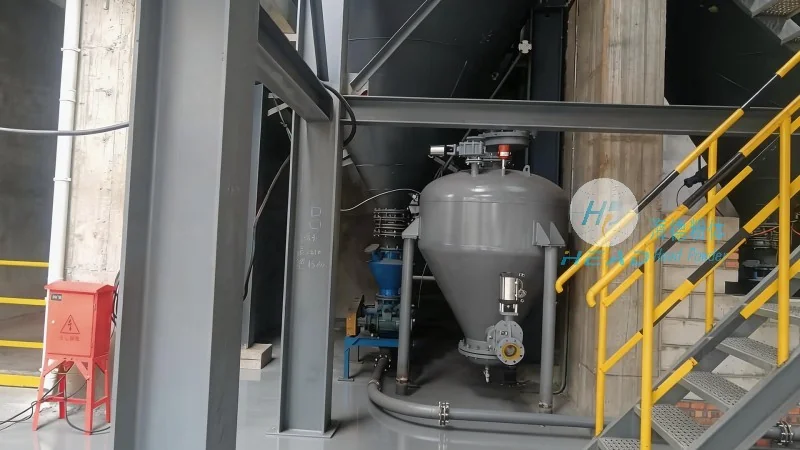
Pneumatic conveying offers several advantages for limestone material transport. One of the primary benefits is the ability to transport materials over long distances without the need for intermediate storage or handling. This reduces the risk of material loss and contamination, which is particularly important for limestone, which is often used in high-purity applications. The system is also relatively flexible, allowing for changes in the conveying route or capacity as production needs change. Another advantage is the low maintenance requirements compared to other transport methods, such as belt conveyors or trucks. However, there are also considerations to keep in mind. The system requires a constant supply of air or gas, which can increase energy consumption. Additionally, the system must be designed to handle the abrasive nature of limestone, which can lead to increased wear on components and higher maintenance costs over time. The initial investment for a pneumatic conveying system can also be higher than for other transport methods, although the long-term benefits often outweigh the initial costs. In terms of operational safety, the system must be equipped with proper dust collection and explosion prevention measures, especially when handling limestone in environments with high temperatures or flammable materials.