

Principles and Application Scenarios of Sulfate Potash Material Pneumatic Conveying
HeadPowder, a leading engineering firm based in Shandong, China, specializes in the design and implementation of advanced pneumatic conveying systems for the handling of sulfate potash materials. This article explores the fundamental principles behind pneumatic conveying technology and highlights the key application scenarios where such systems excel in industrial operations.
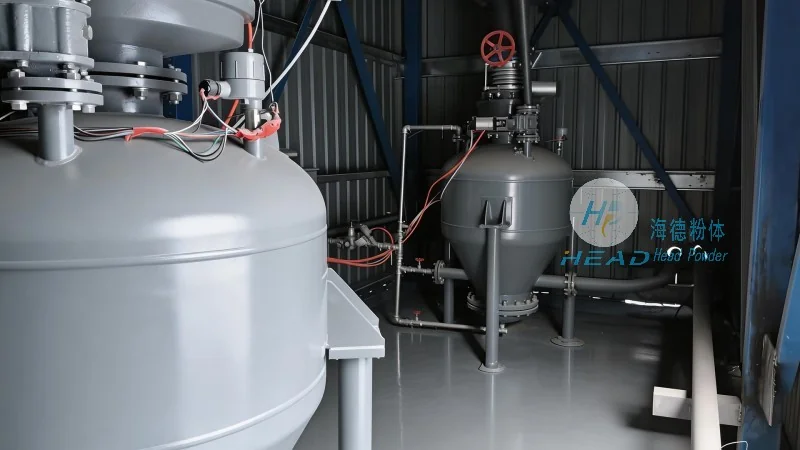
Understanding Pneumatic Conveying for Sulfate Potash
Pneumatic conveying is a method of transporting bulk materials through a pipeline using a stream of pressurized air or gas. In the context of sulfate potash, which is a critical fertilizer and industrial chemical, this technology offers a highly efficient and flexible solution for material handling. The process typically involves a material feed hopper, a conveyor line, and a discharge point, all integrated to ensure smooth and continuous material movement. The core principle revolves around creating a flow of air that lifts and propels the solid particles through the pipeline, leveraging the differential pressure between the inlet and outlet to maintain material transport.
Key Working Principles of Sulfate Potash Pneumatic Conveying
At the heart of pneumatic conveying systems for sulfate potash are several critical working principles that ensure optimal performance. One of the primary principles is the use of air velocity to overcome the gravitational forces acting on the solid particles. By maintaining an air velocity above the material's terminal velocity, the particles are kept in suspension and transported efficiently. Another key principle is the control of pressure differentials within the system. Positive pressure systems, where air is blown into the pipeline, and negative pressure systems, where air is drawn out, are both utilized depending on the specific application requirements. The choice between these systems depends on factors such as material properties, pipeline length, and the need for dust control or environmental compliance.
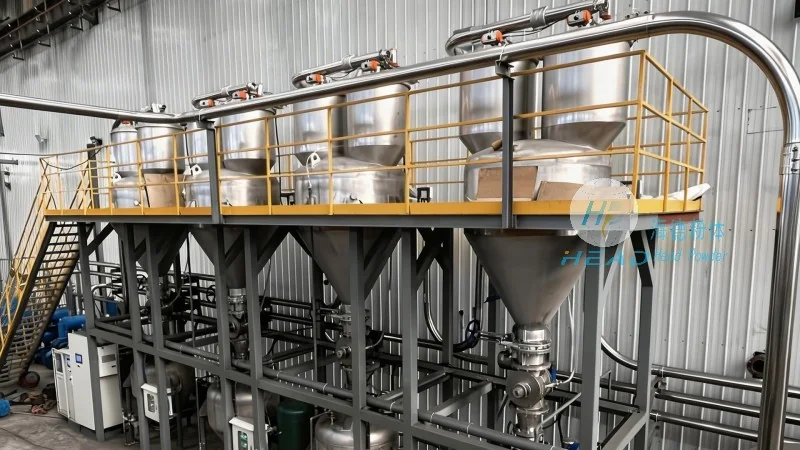
Advantages of Pneumatic Conveying in Sulfate Potash Handling
Implementing pneumatic conveying for sulfate potash offers numerous advantages over traditional methods like belt conveyors or bucket elevators. One of the most significant benefits is the ability to handle materials in a closed system, which minimizes dust exposure and environmental contamination. This is particularly important for sulfate potash, which can be a source of fine particles that may pose health and safety risks if not properly contained. Additionally, pneumatic conveying systems provide high levels of flexibility in terms of layout and integration with other processing equipment. They can be easily adapted to existing facilities or incorporated into new plant designs, allowing for seamless material flow from storage to processing or packaging stages.
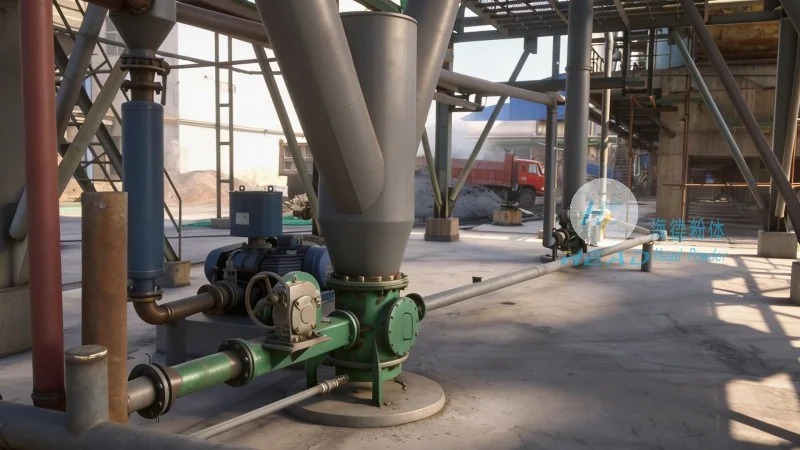
Common Application Scenarios for Sulfate Potash Pneumatic Conveying
Sulfate potash, a vital component in modern agriculture and industrial applications, is handled in various scenarios where pneumatic conveying systems are indispensable. One common application is in fertilizer production facilities, where large quantities of sulfate potash are transported from storage silos to mixing and granulation units. The ability to convey material over long distances without the need for multiple transfer points makes pneumatic systems ideal for these operations. Another scenario involves the processing of sulfate potash in chemical plants, where the material is transported from crushing and screening equipment to storage tanks or further processing stages. In these cases, the closed system nature of pneumatic conveying helps maintain product purity and prevents contamination from external sources.
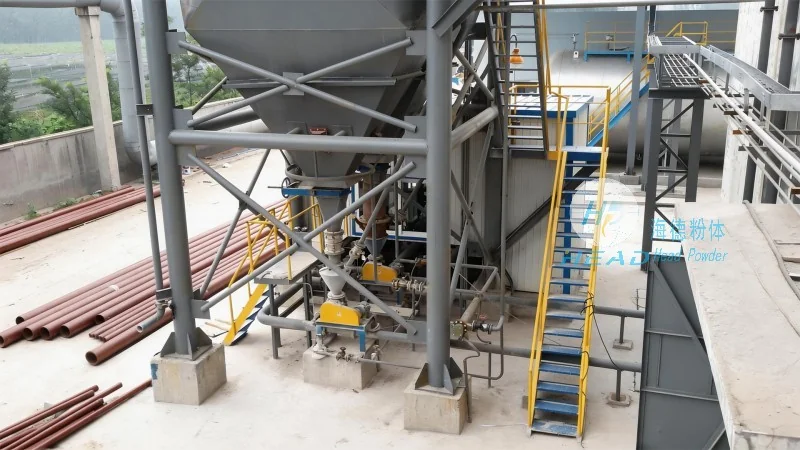
HeadPowder's Expertise in Sulfate Potash Pneumatic Conveying Solutions
Shandong HeadPowder Engineering Co., Ltd., with its headquarters in Shandong, China, has established itself as a trusted provider of customized pneumatic conveying solutions tailored to the unique needs of sulfate potash handling. The company leverages its deep understanding of material properties, system design principles, and industrial requirements to deliver systems that are both efficient and reliable. By incorporating advanced control technologies and robust material handling components, HeadPowder ensures that its pneumatic conveying systems meet the highest standards of performance and safety. The company's expertise extends to the entire lifecycle of the system, from initial design and engineering to installation, commissioning, and ongoing maintenance support.
Conclusion: The Role of Pneumatic Conveying in Sulfate Potash Operations
In conclusion, pneumatic conveying represents a sophisticated and effective approach to handling sulfate potash materials in industrial settings. By understanding the fundamental principles and leveraging the advantages of this technology, companies can achieve significant improvements in operational efficiency, safety, and environmental compliance. As a leading engineering firm, HeadPowder continues to innovate and provide tailored solutions that address the evolving challenges of sulfate potash processing, ensuring that clients can maximize the value of their operations while maintaining the highest standards of quality and reliability.