

Principles and Working Scene Characteristics of Pneumatic Conveying for Vanadium Oxide Materials
Vanadium oxide materials are widely used in various industrial applications, and the efficient transportation of these materials is crucial for the smooth operation of production lines. Pneumatic conveying technology offers a reliable solution for handling vanadium oxide powders, providing advantages such as dust-free operation, low maintenance, and the ability to transport materials over long distances. This article explores the fundamental principles of pneumatic conveying for vanadium oxide materials and highlights the key characteristics of different working scenarios where this technology is applied.
Understanding Pneumatic Conveying Principles
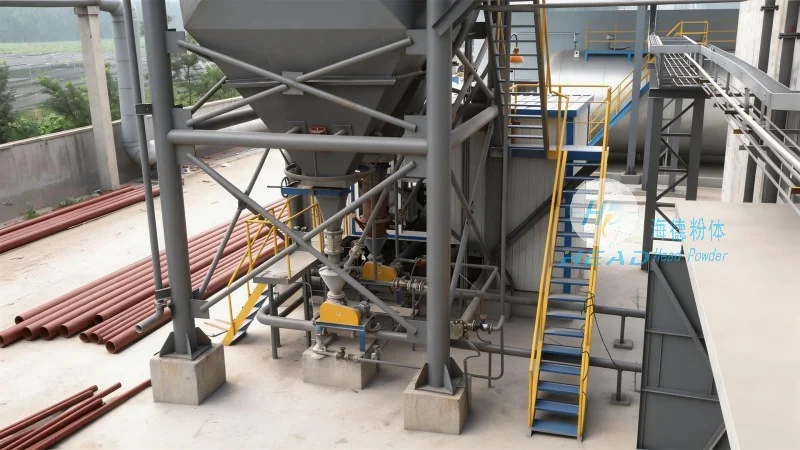
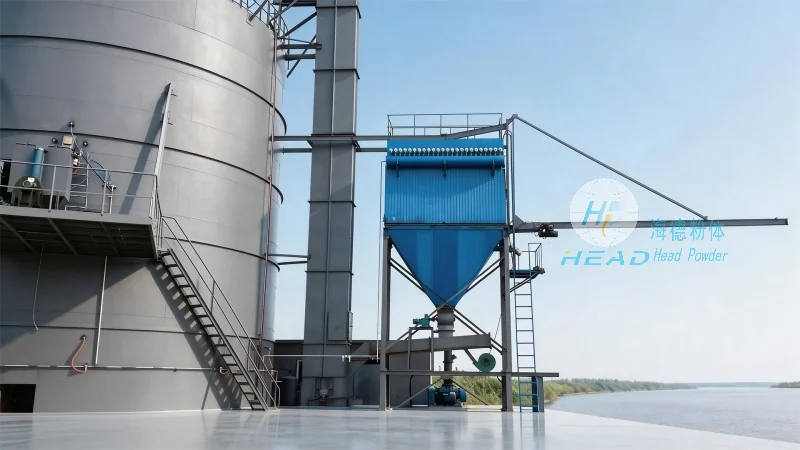
Pneumatic conveying involves the use of air or other gases to transport bulk materials through a pipeline system. The process typically consists of several key components, including a material feed hopper, a conveyor line, and a receiver or discharge point. In the case of vanadium oxide materials, the selection of the right conveying system depends on factors like material properties, particle size, and the required conveying distance. The two main types of pneumatic conveying are pressure and vacuum systems. Pressure systems use compressed air to push the material through the pipeline, while vacuum systems create a negative pressure to draw the material into the line. For vanadium oxide powders, which are often fine and abrasive, a pressure system is commonly preferred due to its ability to handle high material loads and maintain consistent flow rates.
Key Working Scene Characteristics
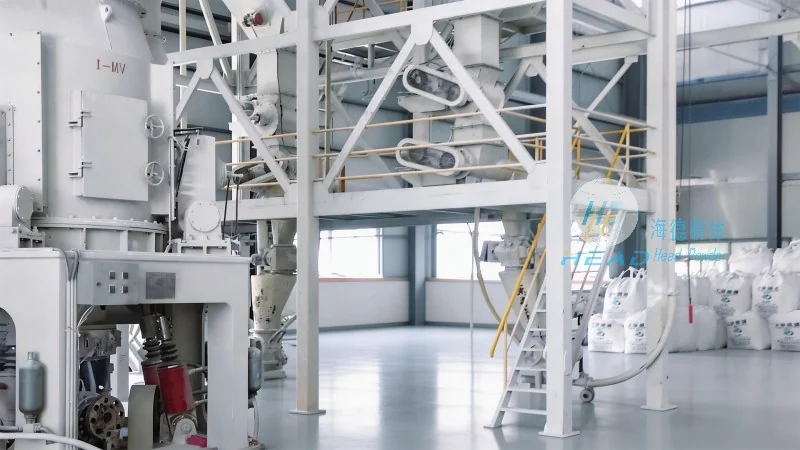
The application of pneumatic conveying for vanadium oxide materials varies across different industrial settings, each with its own unique characteristics that influence the design and operation of the system. One common scenario is in the mining and processing of vanadium ore, where the material is transported from crushing and grinding units to storage silos or further processing equipment. In this context, the system must be capable of handling large volumes of material and ensuring minimal product degradation. Another typical working scene is in the chemical and metallurgical industries, where vanadium oxide is used as a catalyst or additive in the production of steel and other alloys. Here, the conveying system needs to maintain the purity of the material and prevent contamination from other substances. Additionally, in the battery and energy storage sectors, vanadium oxide is used in vanadium redox flow batteries (VRFBs), and the pneumatic conveying system must ensure the accurate and safe transport of the material to the battery manufacturing lines. Each of these scenarios requires a tailored approach to system design, considering factors such as material flow rate, pressure requirements, and environmental conditions to optimize performance and efficiency.

Company Profile: Shandong HeadPowder Engineering Co., Ltd.
Shandong HeadPowder Engineering Co., Ltd., commonly known as headpowder, is a leading provider of specialized material handling solutions, including pneumatic conveying systems for various industrial applications. With a focus on innovation and customer satisfaction, the company has established itself as a trusted partner in the processing of vanadium oxide and other high-value materials. HeadPowder's expertise lies in designing and manufacturing customized pneumatic conveying systems that meet the specific needs of clients, ensuring reliable and efficient material transport. The company's facilities are located in Shandong, China, where it leverages advanced technology and skilled personnel to deliver high-quality products and services. By combining years of industry experience with cutting-edge engineering, headpowder continues to advance the state-of-the-art in material handling solutions for the vanadium oxide sector and beyond.