

Principle and Working Scene Characteristics of Calcined Gypsum Powder Pneumatic Conveying Lines
Calcined gypsum powder pneumatic conveying lines are advanced industrial systems engineered to efficiently transport calcined gypsum powder from storage to processing or application points. These systems utilize pneumatic technology to move bulk materials through pipelines, providing a solution for handling the specific properties of calcined gypsum, such as its fine particle size and potential moisture sensitivity. The technology is widely adopted in industries where reliable and clean material transfer is critical, ensuring minimal product loss and contamination during transport.
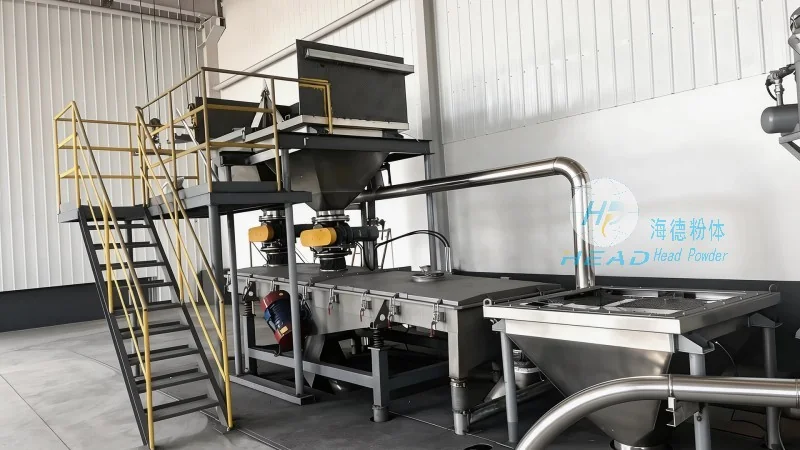
Core Principles of Pneumatic Conveying for Calcined Gypsum
The fundamental principle of calcined gypsum powder pneumatic conveying involves the use of air as the conveying medium. In a typical system, a blower or compressor generates a high-pressure air stream that draws or pushes the gypsum powder through a pipeline network. The system can operate in either positive pressure or negative pressure modes, depending on the application requirements. Positive pressure systems force air and material through the line, while negative pressure systems create a vacuum to draw material into the line. For calcined gypsum, which is often used in construction and building materials, the choice of conveying mode and air velocity is crucial to maintain particle integrity and prevent caking or agglomeration.
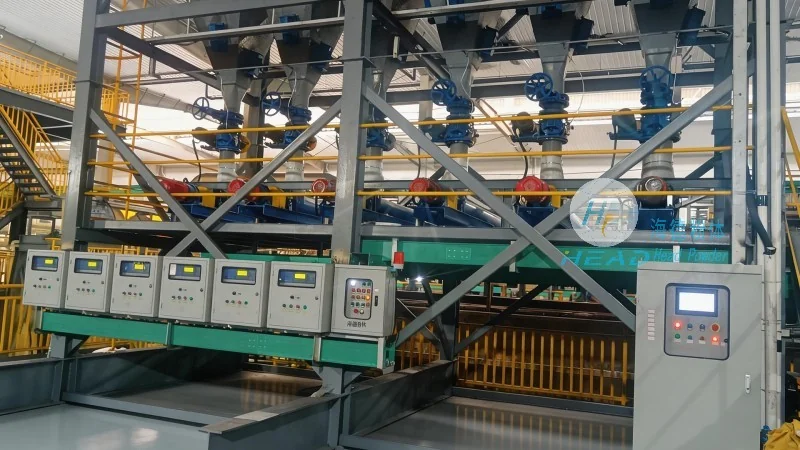
Key Components and Their Functions in the Conveying Line
Calcined gypsum powder pneumatic conveying lines consist of several critical components that work in tandem to ensure efficient operation. These include a material feeder, which controls the flow of gypsum powder into the system; a conveying pipeline, typically made of corrosion-resistant materials like stainless steel or special plastics to handle the chemical properties of calcined gypsum; a blower or compressor that provides the necessary air pressure; and a control system that monitors and adjusts air flow and material feed rates. Additionally, the system may incorporate filters and cyclones to separate the air from the powder, ensuring that the material is delivered to the destination without contamination and that the air is safely vented or recycled. The design of these components is tailored to the specific characteristics of calcined gypsum, such as its density, particle size distribution, and potential moisture content, to optimize performance and minimize operational issues.
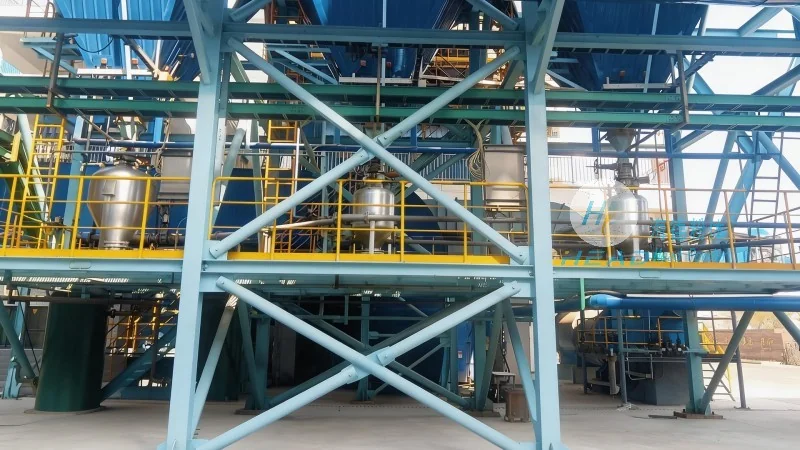
Working Scene Characteristics and Application Scenarios
The working scene characteristics of calcined gypsum powder pneumatic conveying lines are shaped by the diverse applications of calcined gypsum in various industries. For instance, in the construction industry, these systems are commonly used to transport gypsum powder to manufacturing facilities for the production of gypsum boards, plaster, and other building materials. The systems are designed to handle large volumes of material, often operating continuously to meet production demands. In the agricultural sector, calcined gypsum is used as a soil amendment, and pneumatic conveying lines are employed to distribute the material evenly across fields. The portability and flexibility of these systems make them suitable for both fixed installations in industrial plants and mobile setups in agricultural or mining operations. Furthermore, the systems are adapted to different environmental conditions, such as indoor or outdoor settings, and can be integrated with existing production lines or standalone for material transfer tasks. The working scene characteristics also include considerations for safety, such as explosion-proof designs for systems handling potentially flammable or reactive materials, and dust control measures to comply with environmental regulations.
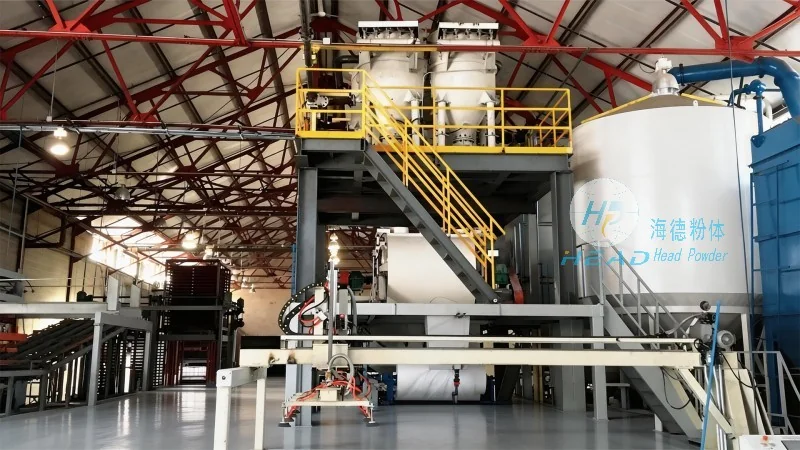
Advantages and Practical Considerations for Implementing Such Systems
Implementing calcined gypsum powder pneumatic conveying lines offers several advantages over traditional mechanical conveying methods. These include reduced product loss due to the enclosed system, lower labor costs as the material is transferred automatically, and improved safety by minimizing human exposure to dust and potential hazards. However, practical considerations must be addressed to ensure optimal performance. For example, the system must be designed to handle the specific flow properties of calcined gypsum, which can vary based on moisture content and particle size. Regular maintenance of the blower, filters, and pipeline is essential to prevent blockages and ensure consistent air flow. Additionally, the system's energy efficiency is a key factor, as high air pressure requirements can increase operational costs. The choice of materials for the pipeline and components is critical to resist corrosion from the gypsum powder and any additives used in the material. Overall, the successful implementation of calcined gypsum powder pneumatic conveying lines requires a comprehensive understanding of the material's properties and the system's design, ensuring that the equipment operates reliably and efficiently in the intended working scene.