

Principle and Working Scene Characteristics of PVC Powder Pneumatic Conveying Lines
For industrial applications involving the handling of polyvinyl chloride (PVC) powder, efficient and reliable material transport is crucial. The pneumatic conveying line, specifically designed for PVC powder, offers a solution that integrates advanced engineering principles with practical operational considerations. This article explores the fundamental principles behind such systems and highlights the key characteristics of their working environments.
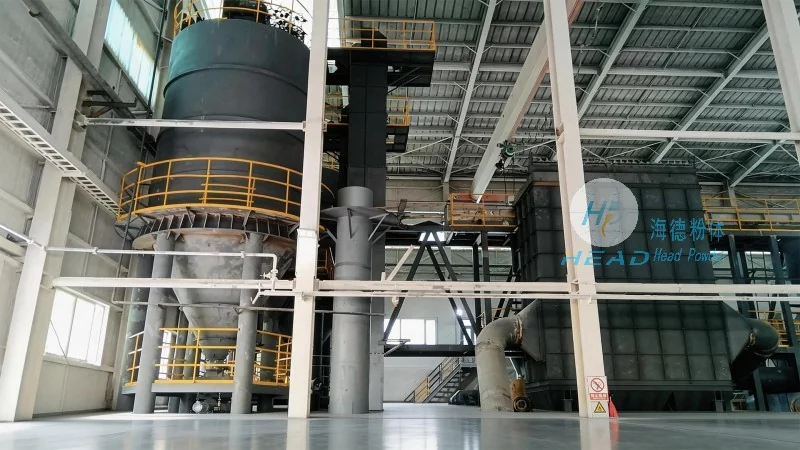
Core Principles of Pneumatic Conveying for PVC Powder
The operation of a PVC powder pneumatic conveying line is based on the fundamental principle of using air as a medium to transport solid particles. There are primarily two types of pneumatic conveying systems: positive pressure and negative pressure (or vacuum) systems. In a positive pressure system, compressed air is introduced at the material inlet, creating a pressure differential that propels the PVC powder through the pipeline. This method is often preferred for long-distance or high-capacity applications due to its ability to handle larger particle sizes and higher flow rates. Conversely, negative pressure systems draw air and material from the conveying line using a vacuum at the discharge end, which is suitable for applications requiring minimal dust emission and where the material is sensitive to pressure changes.
Within these systems, the design of the conveying line, including the choice of pipeline materials, air velocity, and pressure levels, is critical. For PVC powder, which can be abrasive and may generate static electricity, materials like stainless steel or specialized plastic composites are commonly used for the pipeline to prevent corrosion and ensure durability. The air velocity is carefully controlled to maintain the powder in a suspended state without causing excessive wear or degradation of the material. Additionally, the inclusion of components such as cyclones, filters, and pressure vessels helps in managing the material flow and ensuring that the system operates efficiently and safely.
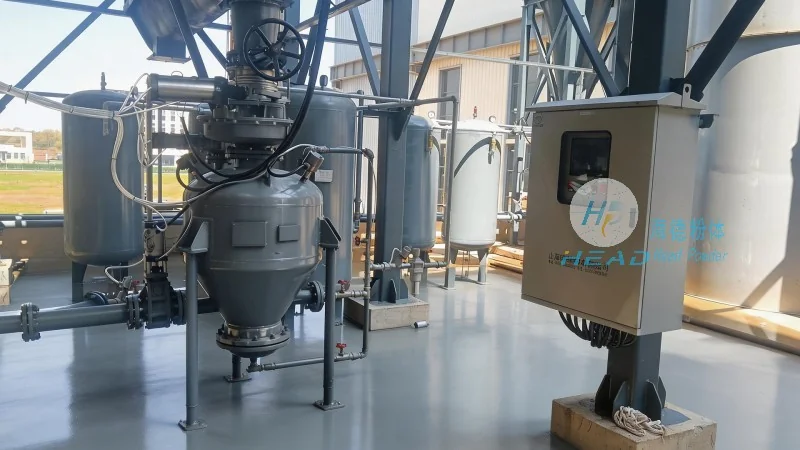
Working Scene Characteristics of PVC Powder Pneumatic Conveying Lines
The working scene characteristics of PVC powder pneumatic conveying lines are tailored to meet the specific demands of various industrial environments. These systems are typically deployed in settings where bulk handling of PVC powder is required, such as in plastic manufacturing plants, chemical processing facilities, and construction material production sites. The key characteristics include:
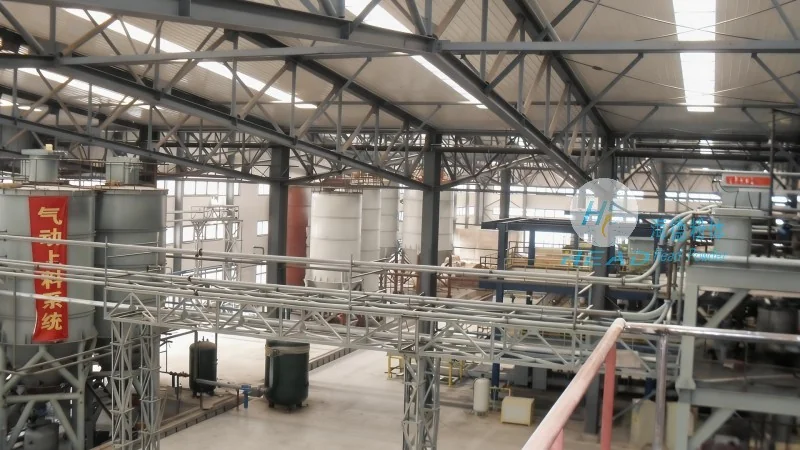
- Process Integration: The conveying line is often integrated with other production processes, such as mixing, compounding, and extrusion, to ensure a seamless flow of materials from storage to processing units. This integration minimizes downtime and enhances overall production efficiency.
- Environmental Considerations: In many industrial applications, especially those involving PVC powder, dust control is a critical factor. The design of the conveying system includes features like sealed pipelines, dust collection systems, and filtration units to prevent the release of airborne particles, thereby maintaining a safe and compliant working environment.
- Flexibility and Scalability: Modern PVC powder pneumatic conveying lines are designed to be flexible and scalable, allowing for adjustments in capacity and layout based on changing production needs. This adaptability is essential for industries that experience fluctuations in demand or require expansion of their operations.
- Safety and Reliability: The systems are engineered with safety features, including pressure relief valves, emergency shut-off mechanisms, and monitoring systems, to prevent accidents and ensure continuous operation. The reliability of the equipment is further enhanced by regular maintenance and the use of high-quality components.
Application Examples in Industrial Settings
Real-world applications of PVC powder pneumatic conveying lines illustrate their effectiveness in diverse industrial scenarios. For instance, in a PVC plastic manufacturing plant, the system may be used to transport raw PVC powder from storage silos to mixing and compounding units. The positive pressure system ensures that the powder is moved efficiently over long distances, while the cyclone separator at the discharge end separates the powder from the air, allowing for recycling of the air and preventing dust contamination. Another example is in a chemical processing facility where PVC powder is used as a raw material for the production of PVC pipes or sheets. The negative pressure system is employed here to minimize the risk of dust exposure to workers and to maintain a clean working environment.
Conclusion and Company Overview
PVC powder pneumatic conveying lines represent a sophisticated solution for the efficient handling of polyvinyl chloride powder in industrial settings. By leveraging the principles of pneumatic transport and integrating advanced engineering features, these systems provide reliable, flexible, and safe material transport solutions. As a leading provider in this field, Shandong HeadPowder Engineering Co., Ltd. specializes in designing and manufacturing customized pneumatic conveying systems tailored to the specific needs of clients. With a focus on quality, innovation, and customer satisfaction, the company ensures that its products meet the highest standards of performance and durability, supporting the operational efficiency of industries worldwide.