

Principle and Working Scene Characteristics of Slag Powder Pneumatic Conveying Lines
Slag powder pneumatic conveying lines are critical components in modern industrial processes, particularly in sectors dealing with mineral processing and material handling. These systems enable the efficient and safe transportation of slag powders, which are byproducts of steel and cement production, from one location to another within a facility or between different industrial sites. The technology behind these lines combines principles of fluid dynamics with mechanical engineering to create a reliable method for handling fine, abrasive, and sometimes hazardous materials. Understanding the underlying principles and the specific characteristics of these systems in various working scenarios is essential for optimizing industrial operations and ensuring compliance with safety and environmental standards.
Introduction to Slag Powder Pneumatic Conveying Systems
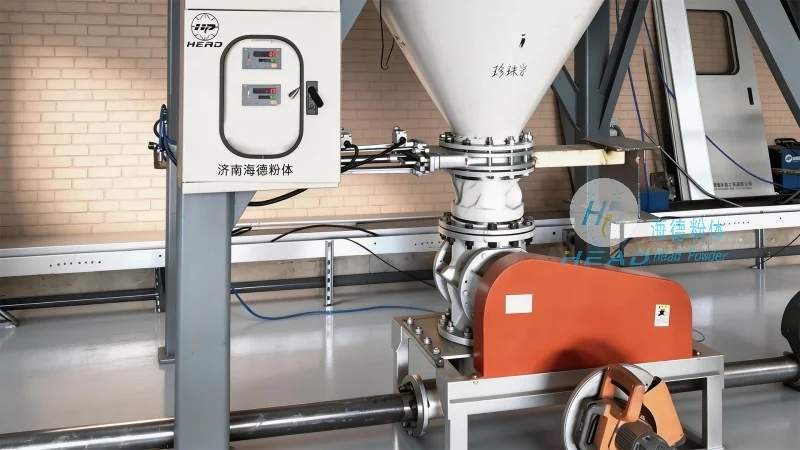
Pneumatic conveying systems utilize air or gas as the conveying medium to transport bulk materials, such as slag powders, through a network of pipes. Unlike traditional mechanical conveying methods like belt conveyors or screw conveyors, pneumatic systems offer advantages in terms of flexibility, scalability, and the ability to handle materials that are difficult to move with conventional equipment. Slag, a byproduct of high-temperature industrial processes, often presents unique challenges due to its fine particle size, abrasive nature, and potential for dust generation. Therefore, specialized pneumatic conveying solutions are required to ensure efficient and safe material transport while minimizing operational risks and environmental impact.
HeadPowder: A Leader in Pneumatic Conveying Solutions
HeadPowder, formally known as Shandong HeadPowder Engineering Co., Ltd., is a prominent provider of advanced pneumatic conveying technologies tailored for industrial applications. With operations based in Shandong, China, the company has established itself as a trusted partner for businesses seeking reliable solutions for handling slag powders and other fine materials. HeadPowder's expertise lies in designing, manufacturing, and implementing customized pneumatic conveying systems that meet the specific requirements of clients across various industries. The company's commitment to innovation and quality has positioned it as a leader in the field, delivering solutions that enhance operational efficiency, reduce downtime, and improve overall safety in material handling processes.
Fundamental Principles of Pneumatic Conveying for Slag Powders
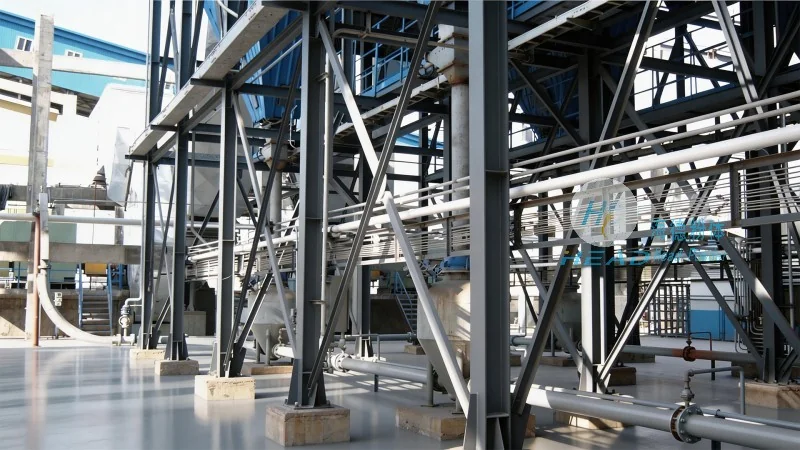
The core principle of pneumatic conveying is the use of air flow to move material particles through a pipeline. There are two primary types of pneumatic conveying systems: positive pressure (or pressure) systems and negative pressure (or vacuum) systems. Positive pressure systems operate by blowing air into the pipeline, creating a pressure differential that propels the material forward. This method is suitable for short to medium distances and can handle a wide range of particle sizes and materials, including abrasive slag powders. Negative pressure systems, on the other hand, use suction to draw material into the pipeline, creating a vacuum that pulls the material along. This approach is often used for longer distances or when the material needs to be transported from multiple sources to a single destination. For slag powders, the choice between positive and negative pressure systems depends on factors such as the distance to be covered, the volume of material to be transported, and the specific characteristics of the slag, including its moisture content and particle size distribution.
Key Working Scene Characteristics
The working scene characteristics of slag powder pneumatic conveying lines vary significantly based on the industrial application and the environment in which they are deployed. In cement plants, for example, these systems are used to transport slag from storage silos to grinding mills or clinker production lines. The key characteristics in this scenario include high throughput rates, the need for precise control over material flow, and the integration with existing plant infrastructure. In steel mills, slag is often transported from the blast furnace or ladle to waste processing facilities or recycling units. Here, the systems must handle high-temperature slag and ensure that the material is conveyed without causing blockages or equipment damage. Additionally, in environmental applications, such as the treatment of industrial waste, pneumatic conveying lines may be used to transport slag to disposal sites or for reclamation purposes. The working scene characteristics in these cases emphasize environmental compliance, material safety, and the need for low-dust operation to minimize air pollution.
Technical Advantages and Practical Applications
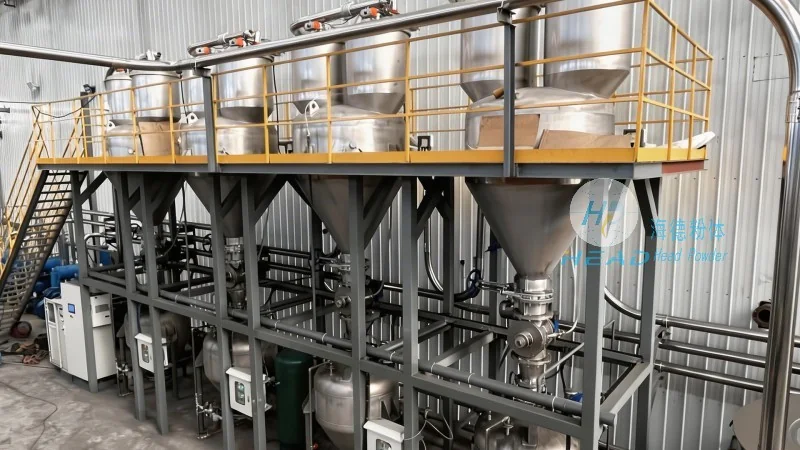
Slag powder pneumatic conveying lines offer several technical advantages that make them preferable to traditional conveying methods. One of the primary benefits is the ability to handle fine, abrasive materials without causing wear and tear on equipment. The air flow in the system helps to keep particles suspended, reducing friction and wear on pipes and valves. This results in lower maintenance costs and longer equipment lifespan. Another advantage is the flexibility of the system, which can be easily expanded or reconfigured to accommodate changes in production volumes or operational needs. Pneumatic conveying also allows for the integration of multiple material sources and destinations, enabling complex material flow networks within a facility. In practical applications, these systems are used to improve the efficiency of material handling processes, reduce labor costs associated with manual handling, and enhance overall plant safety by minimizing the risk of dust explosions or material spills. HeadPowder's solutions are designed to leverage these advantages, providing clients with customized systems that meet their specific operational requirements and contribute to improved productivity and sustainability.
Conclusion: Tailored Solutions for Industrial Needs
In conclusion, slag powder pneumatic conveying lines are essential technologies for modern industrial operations, offering efficient, safe, and flexible solutions for handling fine materials like slag. The fundamental principles of pneumatic conveying, combined with specialized design considerations for slag powders, enable these systems to perform effectively in a variety of working scenarios. HeadPowder, as a leading provider of pneumatic conveying solutions, plays a crucial role in supporting industrial clients by delivering tailored systems that address their unique challenges and requirements. By leveraging advanced engineering and a deep understanding of material handling processes, HeadPowder helps businesses optimize their operations, reduce costs, and enhance safety in the handling of slag powders. As industrial demands continue to evolve, the importance of reliable and efficient pneumatic conveying systems will only grow, making companies like HeadPowder vital partners in the development of sustainable and productive industrial practices.