

Principle and Working Scene Characteristics of Air-Pneumatic Conveying Equipment for Heptahydrate Ma
Heptahydrate magnesium sulfate, commonly known as Epsom salt, is a widely used chemical compound in various industrial and agricultural applications. The efficient and reliable transportation of this powder material is crucial for maintaining production efficiency and ensuring product quality. Air-pneumatic conveying equipment has emerged as a sophisticated solution for handling heptahydrate magnesium sulfate powder, offering advantages such as low energy consumption, minimal product contamination, and the ability to transport materials over long distances without the need for mechanical components like belts or buckets.
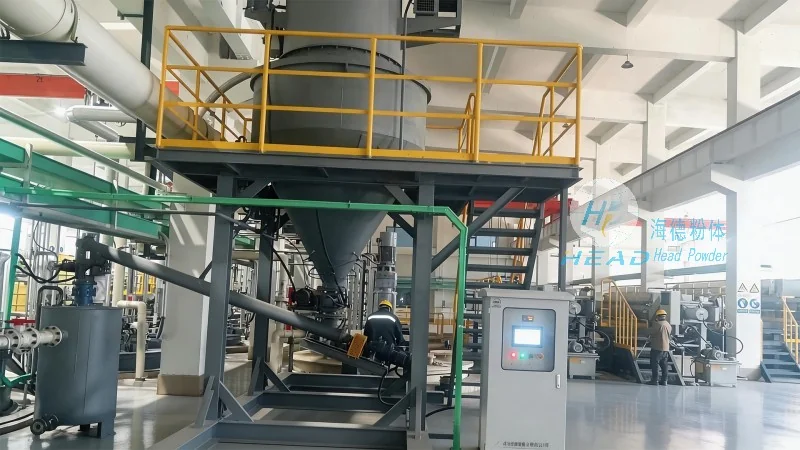
Overview of Air-Pneumatic Conveying Technology
The air-pneumatic conveying system operates on the principle of using compressed air to transport dry powder materials through a pipeline network. This technology is particularly suitable for handling fine powders like heptahydrate magnesium sulfate, which are prone to caking or segregation when handled mechanically. The system typically consists of a blower or compressor, a hopper for material storage, a feed device to introduce the powder into the pipeline, and a receiver to collect the conveyed material at the destination. The entire process is driven by the pressure differential created by the compressed air, which propels the powder particles forward in the pipeline.
Key Components and Their Functions
Several critical components work in tandem to ensure the smooth operation of the air-pneumatic conveying equipment for heptahydrate magnesium sulfate. The blower or compressor is responsible for generating the necessary air pressure and flow rate. It must be capable of handling the specific characteristics of the powder, such as its density and particle size distribution. The hopper serves as a storage vessel, providing a consistent feed to the system and preventing material buildup that could lead to blockages. The feed device, often a rotary valve or a venturi feeder, controls the rate at which the powder is introduced into the pipeline, ensuring a steady flow without creating excessive pressure drops or causing material degradation. The pipeline itself is typically made of stainless steel or other corrosion-resistant materials to prevent contamination and ensure durability. The receiver, equipped with a dust collection system, collects the conveyed material and may include features like a filter or a silencer to manage any airborne particles and noise generated during operation.
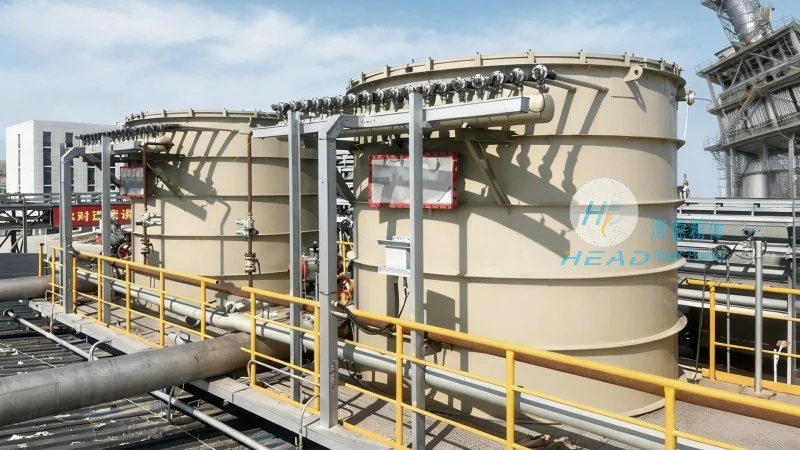
Working Principle of the Conveying Process
The core of the air-pneumatic conveying process involves the interaction between the powder particles and the air stream. As compressed air is introduced into the pipeline, it creates a low-pressure zone that draws the powder from the hopper into the air stream. The powder particles are then suspended and carried along the pipeline by the air flow. The velocity of the air is carefully controlled to ensure that the powder remains in suspension without settling or causing blockages. The pressure differential between the inlet and outlet of the pipeline determines the conveying capacity and the distance over which the material can be transported. The system operates in either positive pressure or negative pressure mode, depending on the application and the specific requirements of the process. Positive pressure systems use compressed air to push the material forward, while negative pressure systems use a vacuum to pull the material through the pipeline.
Advantages of Air-Pneumatic Conveying for Heptahydrate Magnesium Sulfate
Compared to traditional mechanical conveying methods, air-pneumatic conveying offers several distinct advantages when handling heptahydrate magnesium sulfate powder. One of the most significant benefits is the reduction in product contamination. Since the material is never in direct contact with mechanical components like belts or buckets, the risk of cross-contamination or introduction of foreign particles is minimized. This is particularly important for heptahydrate magnesium sulfate, which is often used in pharmaceutical or food applications where purity is critical. Another advantage is the lower energy consumption compared to other pneumatic conveying systems. The system operates with a relatively low air velocity, reducing the energy required to transport the material. Additionally, air-pneumatic conveying allows for the transportation of materials over long distances without the need for intermediate storage or transfer points, which can improve overall production efficiency and reduce downtime. The system is also highly flexible, as it can be easily adapted to different production scales and layouts, making it suitable for both small-scale and large-scale operations.
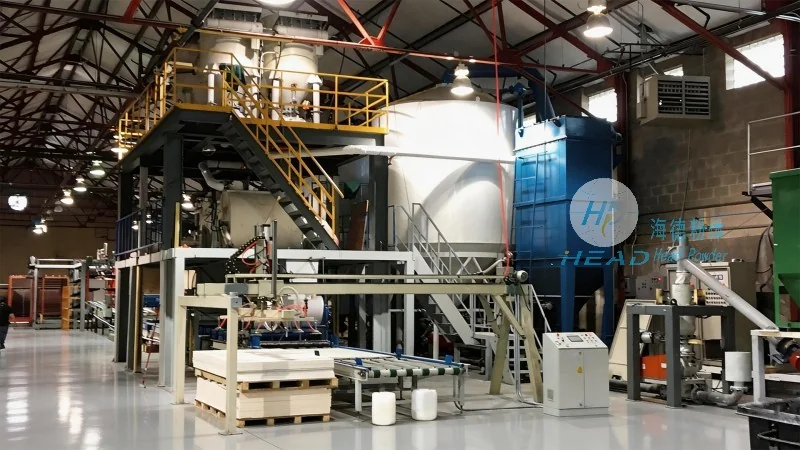
Working Scene Characteristics and Applications
The air-pneumatic conveying equipment for heptahydrate magnesium sulfate is designed to operate in various industrial settings, each with its own unique characteristics and requirements. In pharmaceutical manufacturing, for example, the equipment is used to transport the powder from storage silos to processing lines, ensuring a clean and controlled environment. The system's ability to maintain product purity and minimize contamination makes it ideal for such applications. In agricultural settings, the equipment may be used to transport heptahydrate magnesium sulfate for use as a fertilizer or soil amendment. The equipment's durability and resistance to corrosion make it suitable for outdoor or harsh environments. In chemical processing plants, the equipment is used to transfer the powder between different processing stages, such as from a drying unit to a packaging line. The system's ability to handle high volumes of material efficiently makes it a preferred choice for large-scale chemical production. The working scene characteristics also include the need for the equipment to be compatible with existing infrastructure, such as existing pipelines or storage facilities, and to be able to integrate seamlessly with other production equipment. The equipment is designed to be compact and space-efficient, allowing it to be installed in areas with limited space. Additionally, the system is designed to be easy to maintain and service, with accessible components that can be easily replaced or repaired.
Conclusion
Air-pneumatic conveying equipment for heptahydrate magnesium sulfate powder is a highly effective and efficient solution for transporting this important chemical compound. The technology offers numerous advantages, including low energy consumption, minimal product contamination, and the ability to handle materials over long distances. The equipment is designed with key components that work together to ensure smooth and reliable operation, and its working scene characteristics make it suitable for a wide range of industrial applications. As the demand for heptahydrate magnesium sulfate continues to grow, the use of air-pneumatic conveying systems will likely become even more prevalent, providing manufacturers with a reliable and cost-effective method for handling this valuable material.