

Inert Gas Circulation Material Handling System Equipment: Principles and Application Scenario Featur
HeadPowder, a leading provider in the field, specializes in advanced material handling solutions that leverage inert gas circulation technology. Based in Shandong, China, the company has established itself as a trusted partner for industries requiring precise and efficient material transport under controlled environments. This article delves into the fundamental principles of inert gas circulation systems and highlights key application scenarios where such equipment excels.
Company Overview and Core Expertise
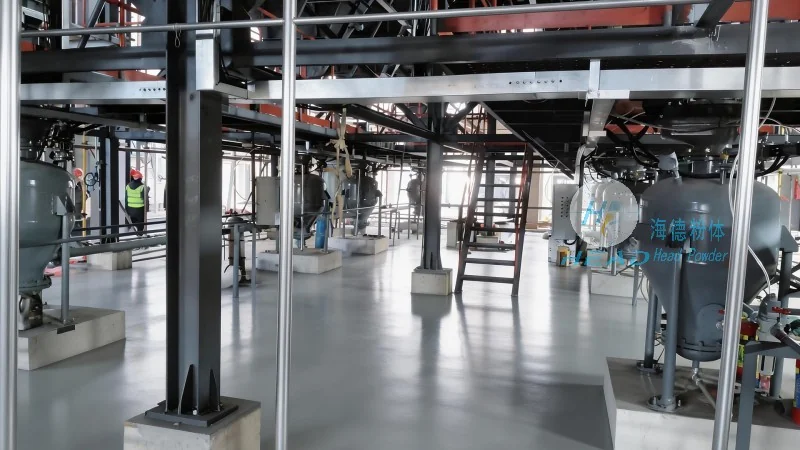
Shandong HeadPowder Engineering Co., Ltd. (HeadPowder) is headquartered in Shandong, China. The company focuses on engineering and manufacturing sophisticated material handling equipment, particularly those that integrate inert gas circulation to maintain inert atmospheres during material transport. With a strong commitment to innovation and quality, HeadPowder has developed systems tailored to meet the stringent demands of various industrial sectors, including pharmaceuticals, food processing, and chemical manufacturing.
Principles of Inert Gas Circulation Systems
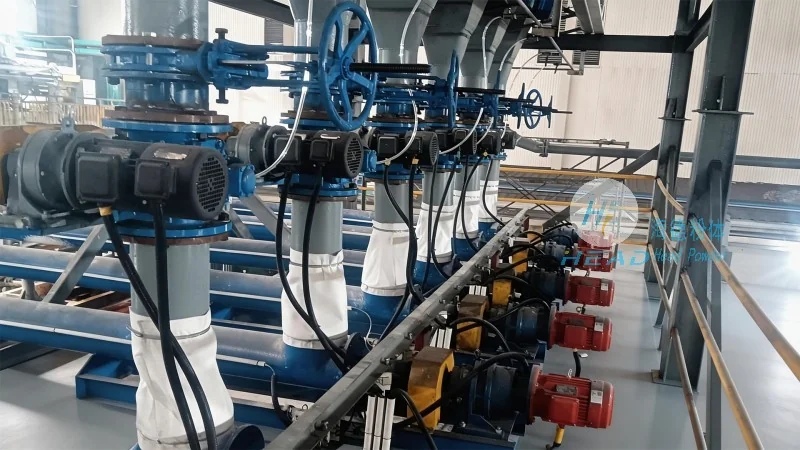
The core principle of inert gas circulation material handling systems is to create and maintain an inert atmosphere within the transport environment. This is achieved by continuously circulating an inert gas, such as nitrogen or argon, through the system. The process involves several key components: gas generation or supply units, circulation fans or pumps, and sealed transport conduits. By maintaining a consistent inert gas flow, the system prevents the ingress of oxygen or other reactive gases, thereby protecting sensitive materials from oxidation, contamination, or degradation. The inert gas also helps in controlling moisture levels and reducing the risk of fire or explosion in hazardous applications.
Key Working Scenarios and Application Features
Inert gas circulation systems are particularly valuable in scenarios where material integrity and safety are paramount. For instance, in pharmaceutical manufacturing, these systems are used to transport raw materials or finished products in cleanroom environments, ensuring that the products remain free from contamination and maintain their quality. In food processing industries, the technology is employed to handle perishable or sensitive food items, preserving their freshness and preventing spoilage. Additionally, in chemical and petrochemical sectors, the systems are crucial for transporting reactive or flammable materials, as they mitigate the risk of chemical reactions or fire hazards. The flexibility of inert gas circulation systems allows them to be adapted to various material types, including powders, granules, and bulk solids, making them versatile solutions for diverse industrial needs.
Technical Advantages and Operational Benefits
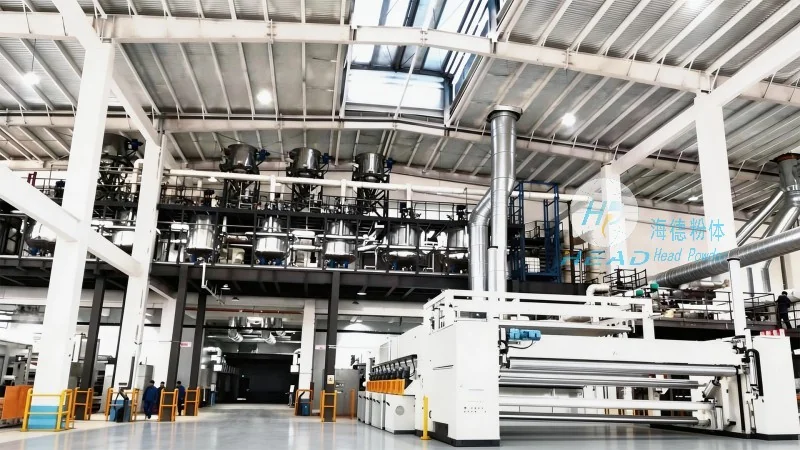
Implementing inert gas circulation material handling systems offers several technical advantages and operational benefits. Firstly, the consistent inert atmosphere enhances product quality and shelf life by minimizing oxidation and contamination. Secondly, the sealed transport conduits reduce material loss and improve material recovery rates, leading to cost savings. Thirdly, the systems enhance safety by eliminating the presence of oxygen in hazardous environments, thereby reducing the risk of fire or explosion. Furthermore, the automated control of gas flow and circulation ensures efficient operation, with minimal human intervention required. The modular design of these systems allows for easy integration into existing production lines and scalability to accommodate growing production demands.