

Principle and Operational Characteristics of Flexible Coke Powder Material Conveying Lines
For industrial applications involving coke powder, efficient and reliable material handling is crucial. Flexible coke powder material conveying lines represent a sophisticated solution designed to address the unique challenges associated with transporting fine, abrasive powders. These systems are engineered to ensure minimal material loss, maintain consistent flow rates, and operate in a variety of industrial environments. The technology behind these conveying lines integrates advanced mechanical and pneumatic components, enabling seamless movement of coke powder from storage to processing or packaging stages.
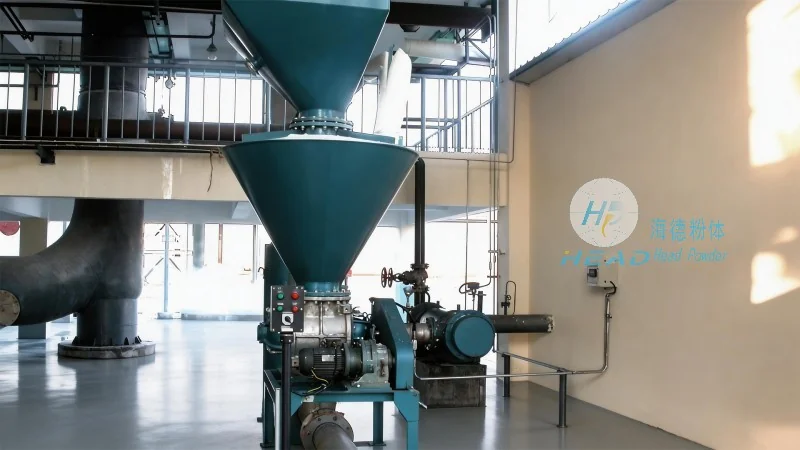
Core Principles of Flexible Coke Powder Conveying Systems
The fundamental principle of flexible coke powder conveying lines is the utilization of pneumatic or mechanical means to transport dry, fine powders through flexible hoses or ducts. Unlike rigid pipelines, flexible conveying systems offer greater adaptability, allowing for changes in direction and layout without the need for complex installation modifications. The system typically consists of a feeding hopper, a conveying hose (often made of durable materials like food-grade rubber or reinforced plastic), and a control unit that regulates air pressure or motor speed. The feeding hopper ensures a consistent supply of coke powder, while the flexible hose provides the necessary flexibility to navigate around equipment or obstacles. The control unit manages the flow rate and pressure, preventing overloading or blockages that could lead to system failure.
Key Components and Their Functions
Several critical components work in tandem to ensure the smooth operation of flexible coke powder conveying lines. The feeding hopper is designed with a sloped bottom and a discharge valve to control the rate of material release, preventing clogging and maintaining a steady flow. The flexible hose, which is the core of the system, is constructed from materials resistant to abrasion and corrosion, such as high-density polyethylene (HDPE) or specialized rubber compounds. These materials are chosen to withstand the abrasive nature of coke powder and the pressure fluctuations during operation. The hose is equipped with reinforced layers to maintain its shape and prevent kinking, which could obstruct the flow. The control unit, often integrated with sensors, monitors parameters like pressure, flow rate, and temperature, providing real-time feedback to adjust the system's performance. Additionally, some systems incorporate air filtration and dust collection mechanisms to ensure compliance with environmental regulations and maintain a clean working environment.
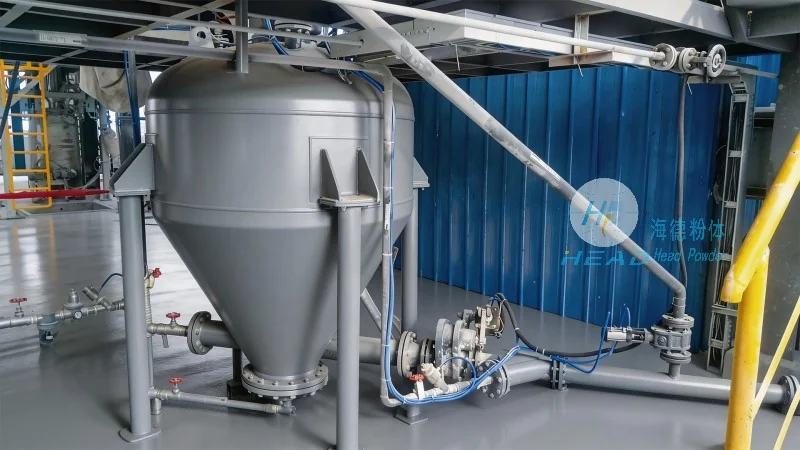
Working Scene Characteristics and Applications
Flexible coke powder conveying lines are widely used in various industrial sectors, including steel production, chemical processing, and food manufacturing. Their adaptability makes them ideal for applications where fixed infrastructure is impractical or where the layout of the facility may change over time. For example, in steel mills, these systems are used to transport coke powder from storage silos to blast furnaces, ensuring a continuous supply of raw material. In chemical plants, they facilitate the transfer of coke-based powders for further processing, such as combustion or reaction. The flexibility of the conveying lines allows for easy integration with existing equipment, reducing downtime during installation and maintenance. Furthermore, the ability to adjust the flow rate and direction makes these systems suitable for batch processing or continuous production lines, enhancing overall operational efficiency.
Advantages of Using Flexible Conveying Systems
Compared to traditional rigid pipelines, flexible coke powder conveying lines offer several advantages that make them a preferred choice for many industries. First, their flexibility allows for easier installation and maintenance, as they can be routed around existing equipment or through tight spaces without the need for extensive civil works. This reduces installation time and costs, making them a cost-effective solution for both new and retrofit projects. Second, the use of flexible hoses minimizes the risk of material buildup and blockages, as the hose's ability to bend and flex helps prevent clogs caused by agglomerated powder. This reduces the frequency of system downtime and maintenance, leading to higher productivity. Third, the systems are designed to be energy-efficient, with adjustable control units that optimize air or motor usage based on the material flow rate. This not only reduces operational costs but also contributes to lower carbon emissions, aligning with sustainability goals. Additionally, the materials used in the construction of the conveying lines are often resistant to chemical and thermal stresses, ensuring long-term durability and reliability.
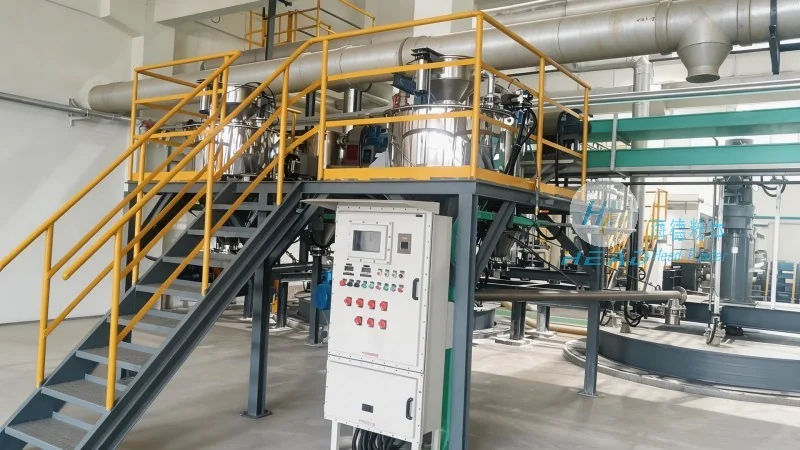
Operational Considerations and Best Practices
While flexible coke powder conveying lines offer numerous benefits, proper operation and maintenance are essential to maximize their performance and lifespan. Regular inspection of the flexible hose for signs of wear, such as cracks or abrasion, is crucial to prevent leaks or blockages. The feeding hopper should be cleaned periodically to remove accumulated powder, which can affect the flow rate and cause system inefficiencies. The control unit should be calibrated regularly to ensure accurate pressure and flow rate monitoring. Additionally, it is recommended to use a consistent grade of coke powder to avoid variations in particle size or moisture content, which could impact the system's performance. Proper training of operators on the system's controls and safety procedures is also vital to prevent accidents and ensure safe operation. By following these best practices, industries can extend the life of their conveying systems and maintain optimal performance.
Conclusion and Company Overview
Flexible coke powder material conveying lines are a vital component in modern industrial operations, providing efficient and reliable transport of fine powders. The principles and characteristics of these systems, as described, highlight their adaptability, durability, and efficiency. For companies seeking to enhance their material handling capabilities, investing in a flexible conveying line can lead to significant improvements in productivity and cost reduction. Shandong HeadPowder Engineering Co., Ltd., a leading provider of industrial material handling solutions, specializes in designing and manufacturing high-quality flexible coke powder conveying systems tailored to the specific needs of various industries. With a commitment to innovation and customer satisfaction, HeadPowder ensures that its products meet the highest standards of performance and reliability. Located in Shandong, China, HeadPowder leverages its expertise and local resources to deliver solutions that address the unique challenges of coke powder transportation, helping businesses achieve their operational goals with efficiency and precision.