

Principles and Application Scenarios of Food Material Handling Systems
Shandong HeadPowder Engineering Co., Ltd. is a professional manufacturer specializing in the design, development, and production of food material handling systems. The company is located in Shandong, China, providing reliable solutions for the food processing industry.
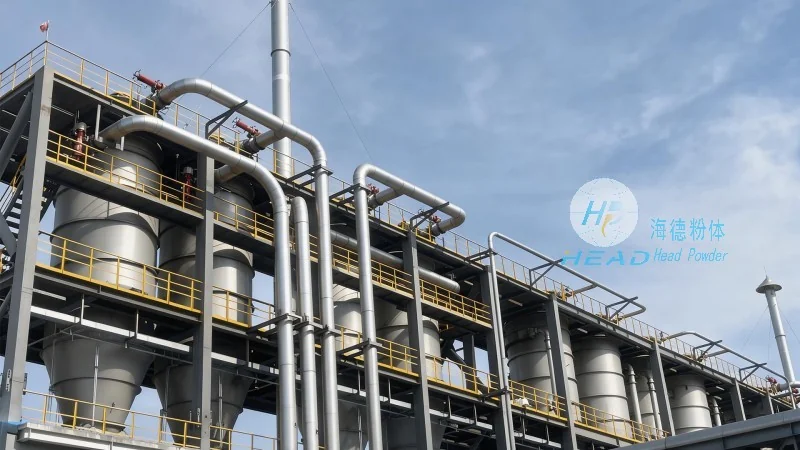
Principles of Food Material Handling Systems
Food material handling systems are engineered to efficiently transport bulk or packaged food products within processing facilities. These systems typically operate on principles of mechanical movement, such as conveyor belts, screw conveyors, and pneumatic systems. The core function is to ensure safe, hygienic, and efficient movement of food materials from raw input to finished product packaging. Key components include feeding mechanisms, conveying equipment, and control systems that maintain product integrity and compliance with food safety regulations.
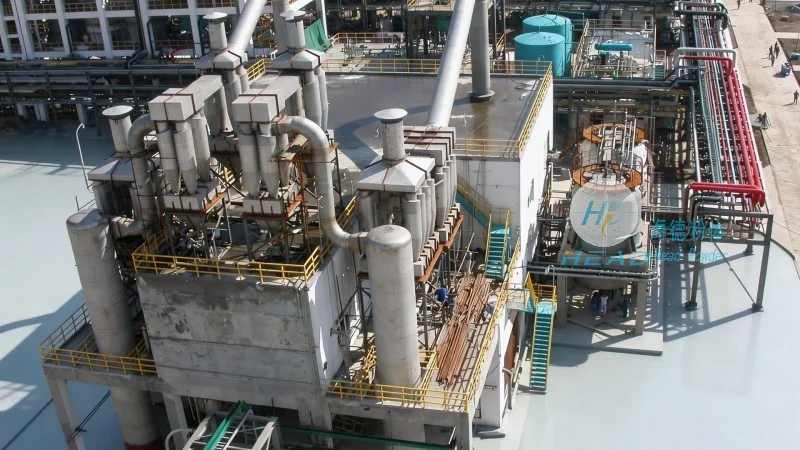
Application Scenarios and Operational Characteristics
Food material handling systems are deployed in diverse operational environments across the food processing industry. In large-scale food manufacturing plants, these systems are integral to production lines, managing the flow of ingredients and finished goods. For example, in dairy processing facilities, systems may handle milk, cheese, and other dairy products, ensuring seamless transfer between pasteurization, packaging, and storage. In bakery operations, systems transport flour, dough, and baked goods, supporting high-speed production and consistent quality. The versatility of these systems allows adaptation to various food types, from dry powders and grains to wet or frozen products, making them essential for maintaining operational efficiency and product safety.
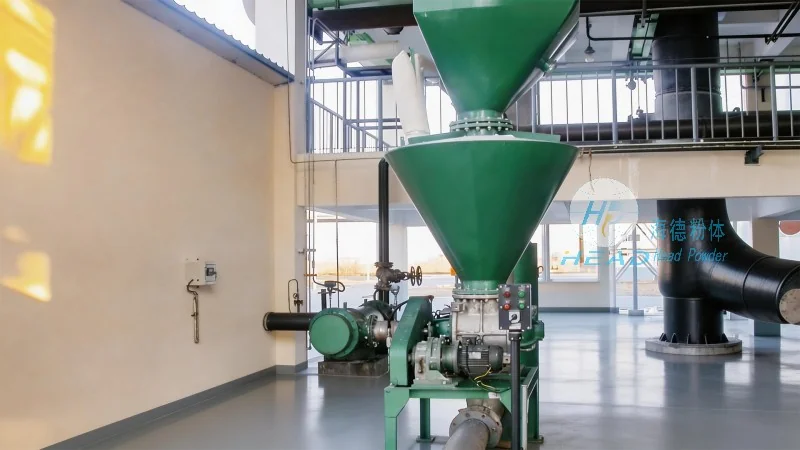
Key Features and Advantages
The food material handling systems offered by Shandong HeadPowder Engineering Co., Ltd. are designed with several key features that enhance performance and reliability. Hygienic design is a primary consideration, with smooth surfaces, easy-to-clean components, and minimal dead zones to prevent contamination. Advanced control systems enable precise monitoring and adjustment of conveyor speeds, ensuring optimal flow rates for different product types. Additionally, these systems are constructed from food-grade materials, such as stainless steel, to meet stringent industry standards like FDA and EU regulations. The result is a solution that not only improves operational efficiency but also ensures compliance with food safety requirements, providing peace of mind to food manufacturers.