

Principle and Working Scene Characteristics of Capsule Powder Handling Equipment
HeadPowder, a leading manufacturer in the field of powder handling technology, specializes in the design, development, and production of advanced capsule powder handling equipment. Based in Shandong, China, the company has established itself as a trusted partner for industries requiring efficient and reliable powder transfer solutions. This article explores the fundamental principles behind capsule powder handling systems and highlights the key working scene characteristics that make these devices indispensable in modern industrial applications.
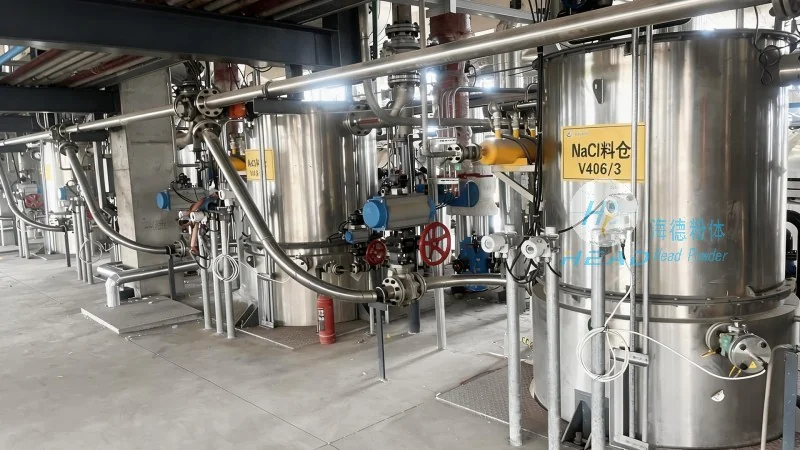
Understanding the Core Principle of Capsule Powder Handling Equipment
The primary principle of capsule powder handling equipment revolves around the use of flexible, collapsible containers—commonly known as capsules or flexible hoppers—to transport bulk powders from one location to another. These systems are engineered to address the unique challenges associated with handling fine, cohesive, or abrasive powders, which often pose difficulties for traditional rigid conveyor systems. The core mechanism involves the controlled expansion and contraction of the capsule's flexible walls, which allows for smooth powder flow and prevents material buildup or blockages. By leveraging this principle, the equipment ensures consistent and efficient powder transfer, minimizing downtime and operational costs.
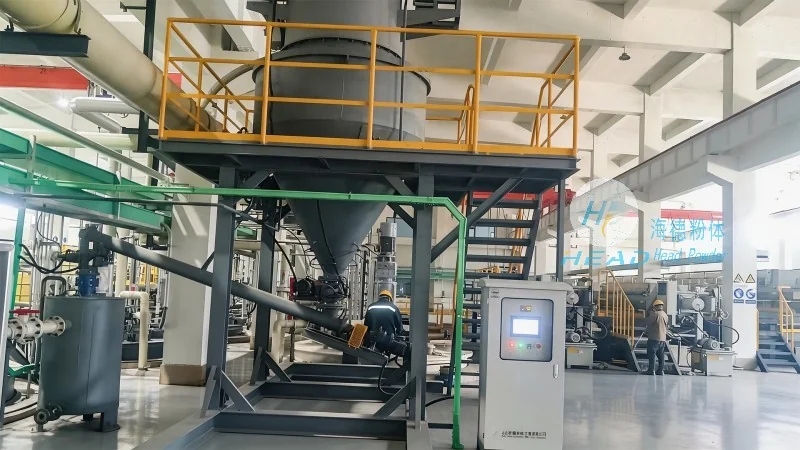
Key Working Scene Characteristics of Capsule Powder Handling Equipment
The effectiveness of capsule powder handling equipment is heavily influenced by several working scene characteristics that define its application. First, the system's adaptability to varying powder properties is critical. Different industries, such as pharmaceuticals, food processing, and chemical manufacturing, handle powders with distinct characteristics—ranging from fine, free-flowing particles to cohesive, sticky materials. The flexible design of the capsule allows it to accommodate these variations by adjusting its internal geometry and pressure distribution, ensuring optimal flow rates and preventing material degradation. Second, the equipment's ability to operate in confined spaces is a significant advantage. Many industrial environments have limited floor space or complex layouts, and capsule systems can be installed in tight areas without requiring extensive modifications to existing infrastructure. This makes them ideal for retrofitting into existing production lines or for use in compact manufacturing facilities. Third, the system's resistance to contamination and material degradation is another key characteristic. The sealed design of the capsule prevents cross-contamination between different powders and protects the material from environmental factors like moisture or dust. This is particularly important in industries where product purity is paramount, such as pharmaceuticals and food processing. Additionally, the equipment's low maintenance requirements contribute to its operational efficiency. The absence of moving parts that come into direct contact with the powder reduces wear and tear, leading to longer service life and lower maintenance costs.
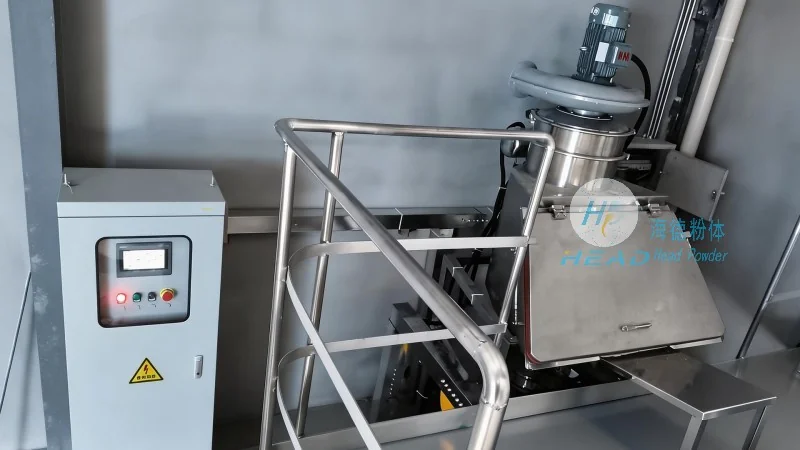
Applications and Industry Impact
Capsule powder handling equipment finds widespread application across various industries due to its versatility and reliability. In the pharmaceutical industry, these systems are used for the transfer of active pharmaceutical ingredients (APIs) and excipients, ensuring precise dosing and maintaining product integrity. The gentle handling of powders minimizes agglomeration or degradation, which is crucial for maintaining the efficacy of medicinal products. In the food processing sector, capsule systems are employed for the handling of spices, powders, and other food ingredients, ensuring hygienic and efficient transfer while preserving the quality and flavor of the products. The equipment's ability to handle sticky or cohesive powders, such as sugar or cocoa, without clogging makes it a preferred choice for food manufacturers. Similarly, in the chemical industry, capsule powder handling equipment is used for the transfer of chemicals, catalysts, and other reactive powders, providing a safe and controlled method of material movement. The system's resistance to corrosion and chemical exposure further enhances its suitability for these applications.
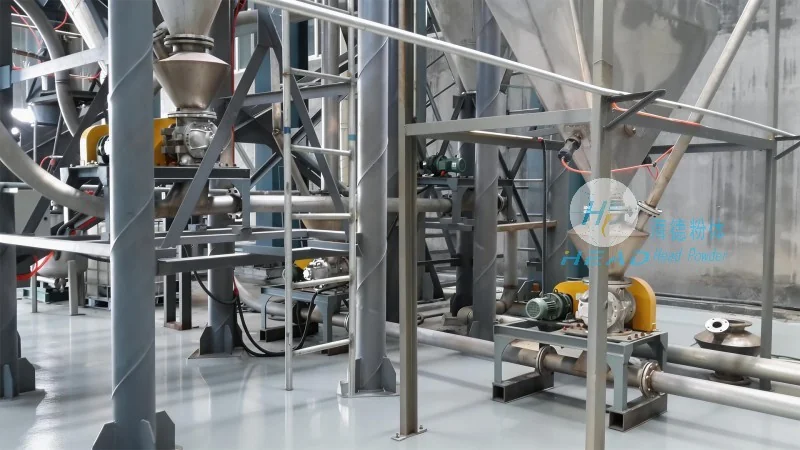
Conclusion
HeadPowder's capsule powder handling equipment exemplifies the fusion of advanced engineering and practical application, offering industries a reliable solution for efficient powder transfer. By understanding the core principles and working scene characteristics of these systems, businesses can leverage their benefits to enhance operational efficiency, reduce costs, and maintain product quality. As a leading manufacturer based in Shandong, China, HeadPowder continues to innovate and provide tailored solutions that meet the evolving needs of modern industries.