

Principle and Working Scenario Characteristics of Sorghum Distillers' Grain Powder Conveying System
HeadPowder, a leading engineering firm based in Shandong, China, specializes in the design and implementation of advanced powder conveying systems tailored for industrial applications, including the efficient handling of sorghum distillers' grain. This article delves into the fundamental principles of such a system and highlights its key working scenario characteristics, providing a comprehensive overview for industry professionals and potential clients.
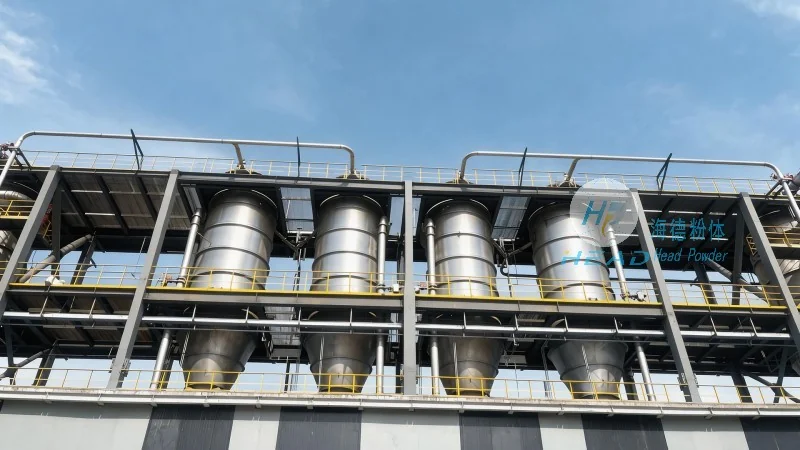
System Overview and Core Components
The sorghum distillers' grain powder conveying system developed by Shandong HeadPowder Engineering Co., Ltd. is engineered to address the unique challenges of transporting bulk powders, particularly in the context of biofuel and food processing industries. The system integrates several critical components, including a hopper for material storage, a conveyor mechanism (such as screw or pneumatic conveyors), and control systems for precise operation. Each component is meticulously designed to ensure optimal performance, reliability, and safety in handling sorghum distillers' grain, a byproduct of ethanol production with high moisture content and variable particle size.
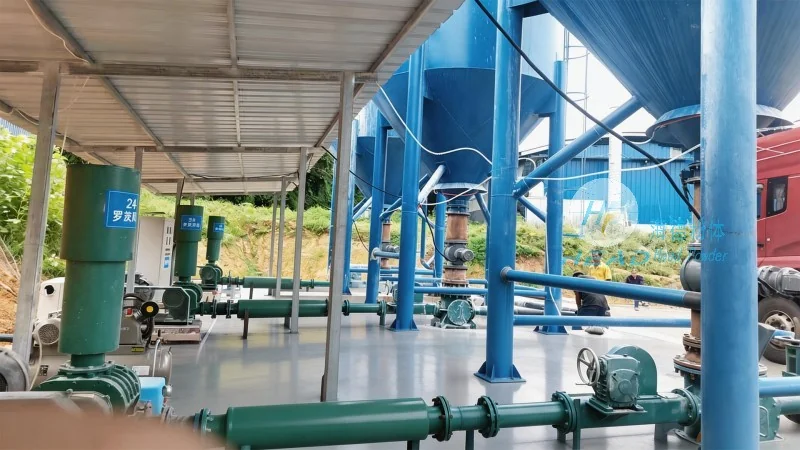
Working Principle of the Powder Conveying System
The operation of the sorghum distillers' grain powder conveying system follows a systematic process that ensures efficient material transport from the storage hopper to the processing or storage destination. Initially, the material is fed into the hopper, where it is held in place by a feeding mechanism. The system then utilizes either a screw conveyor or a pneumatic conveying method, depending on the specific requirements of the application. For instance, a screw conveyor is suitable for handling dry, free-flowing powders with moderate bulk density, while a pneumatic system is preferred for materials with higher moisture content or more cohesive properties. The control system monitors and regulates the flow rate, pressure, and speed of the conveyor, ensuring consistent and controlled movement of the sorghum distillers' grain. This principle of operation is crucial for maintaining the quality of the material and preventing issues such as blockages or uneven distribution.
Key Working Scenario Characteristics
The sorghum distillers' grain powder conveying system exhibits distinct characteristics that make it well-suited for various industrial environments. One of the primary characteristics is its adaptability to different material properties, allowing it to handle sorghum distillers' grain with varying moisture levels and particle sizes. This flexibility is essential in industries where the composition of the byproduct may change due to seasonal variations or production adjustments. Another critical characteristic is the system's ability to maintain a consistent flow rate, which is vital for downstream processes that rely on a steady supply of material. The system also features robust construction to withstand the abrasive nature of sorghum distillers' grain, ensuring long-term durability and minimal maintenance requirements. Additionally, the control system's user-friendly interface enables operators to easily adjust parameters, enhancing operational efficiency and reducing downtime.
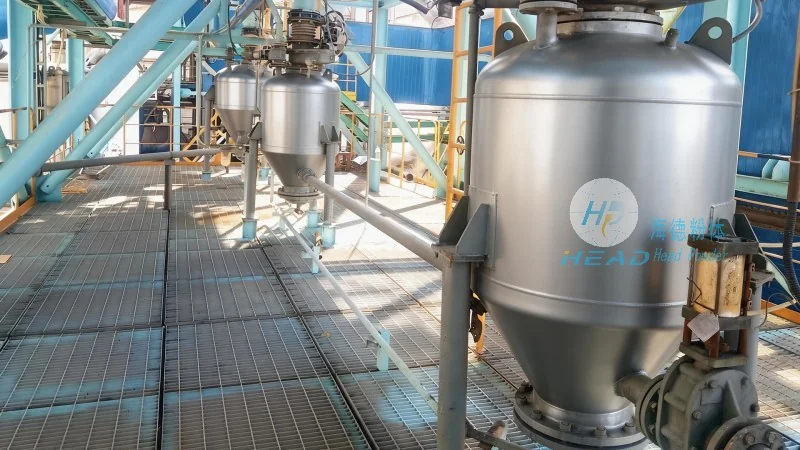
Application Advantages and Industry Impact
The implementation of the sorghum distillers' grain powder conveying system by Shandong HeadPowder Engineering Co., Ltd. offers several advantages for industrial operations. Firstly, it significantly improves the efficiency of material handling, reducing labor costs and increasing production throughput. By automating the transport process, the system minimizes the risk of human error and ensures consistent quality in the final product. Secondly, the system's design minimizes material degradation, preserving the nutritional and functional properties of sorghum distillers' grain, which is valuable for animal feed or biofuel production. This preservation is particularly important as the byproduct is often used as a feedstock in the livestock industry or for ethanol production. Furthermore, the system's scalability allows it to be integrated into existing production lines or expanded to accommodate increased production volumes, providing long-term value for clients. The impact of this technology extends beyond individual facilities, contributing to the overall optimization of the biofuel and food processing sectors by enhancing resource utilization and reducing waste.