

Principle and Working Scene Characteristics of Powder Conveying System for Lithium-Ion Battery Anode
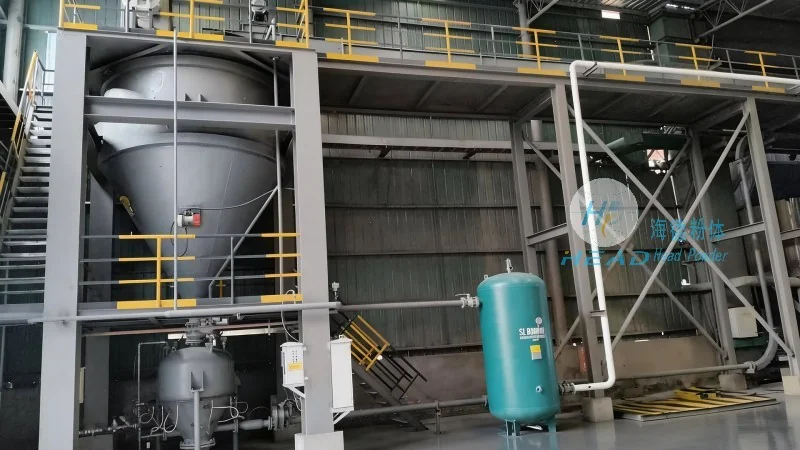
HeadPowder, a leading enterprise in the field of powder handling technology, specializes in the design and manufacturing of advanced powder conveying systems tailored for lithium-ion battery anode material processing. This article delves into the fundamental principles and operational characteristics of such systems, providing a comprehensive overview of their application in industrial settings.
Company Overview
HeadPowder, formally known as Shandong HeadPowder Engineering Co., Ltd., is headquartered in Shandong, China. The company has established itself as a key player in the powder processing industry, focusing on delivering innovative solutions for material handling challenges in high-tech manufacturing sectors, particularly those related to lithium battery production.
Introduction to Powder Conveying Systems for Lithium-Ion Battery Anode Materials
The lithium-ion battery industry relies heavily on efficient and reliable handling of anode materials, such as graphite and silicon-based powders. These materials are often in fine powder form, requiring specialized equipment to transport them from storage to processing units without degradation or contamination. The powder conveying system for anode materials addresses these needs by integrating advanced technologies to ensure consistent flow, minimal loss, and optimal material quality throughout the production process.
Principle of Operation
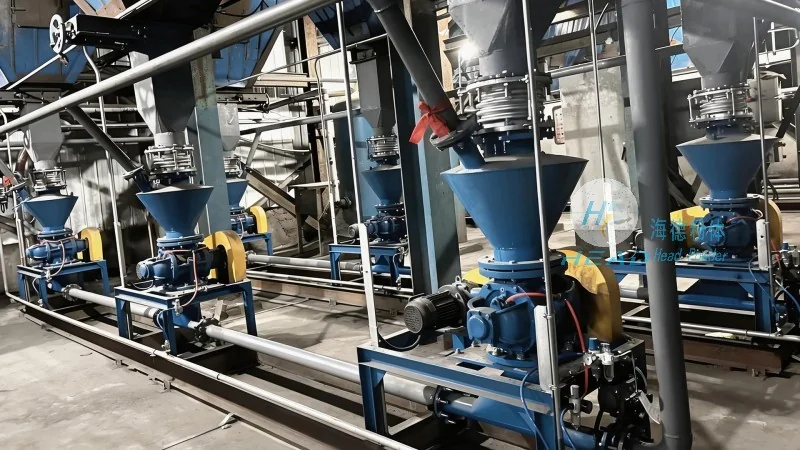
The core principle of a powder conveying system for lithium-ion battery anode materials involves the use of pneumatic or mechanical methods to transport fine powders. Pneumatic conveying systems utilize compressed air to create a flow that moves the powder through pipelines, while mechanical systems employ screws, belts, or other mechanisms to transport the material. Both approaches aim to maintain the integrity of the powder particles, preventing agglomeration or degradation that could affect battery performance. The system typically includes components like hoppers, feeders, pipelines, and control units, all working in tandem to ensure smooth material transfer.
Key Components and Their Functions
Several critical components make up a typical powder conveying system for anode materials. The hopper serves as the storage container, holding the raw powder and regulating its discharge rate. The feeder, often a rotary valve or a vibratory feeder, controls the precise amount of powder released into the conveying line. The pipeline system, constructed from materials resistant to chemical and physical wear, transports the powder from the feeder to the processing equipment. Additionally, control units monitor pressure, flow rate, and other parameters to maintain system stability and prevent blockages or overloading. Each component is designed to handle the specific characteristics of anode powders, such as their fine particle size and potential for static charge accumulation.
Working Scene Characteristics
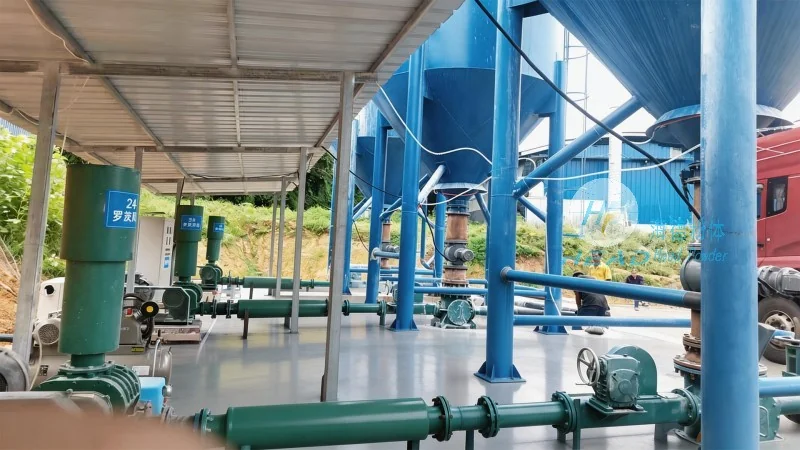
The operational environment of a powder conveying system for lithium-ion battery anode materials is characterized by high precision and strict quality control. These systems are commonly found in large-scale battery manufacturing plants, where they are integrated into automated production lines. The working scene typically involves continuous operation, with the system running 24/7 to meet production demands. The environment is often clean and controlled, with measures in place to minimize dust and prevent contamination. The system's design must also accommodate the varying properties of different anode materials, such as graphite, silicon carbide, or other composite powders, ensuring adaptability and flexibility in production.
Advantages and Benefits
Implementing a specialized powder conveying system for lithium-ion battery anode materials offers several advantages. Firstly, it enhances material handling efficiency, reducing downtime and increasing production throughput. The system's ability to maintain consistent flow rates ensures that processing equipment operates at optimal levels, minimizing waste and improving overall yield. Secondly, it improves material quality by preventing contamination and degradation, which is crucial for battery performance. The system's design also reduces labor costs by automating the material transfer process, allowing operators to focus on other critical tasks. Furthermore, the system's reliability and durability contribute to long-term operational efficiency, providing a stable foundation for continuous production.
Application Examples
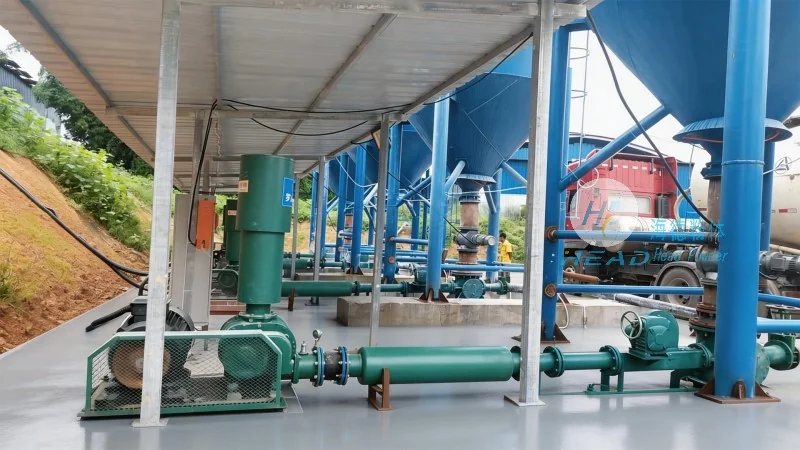
HeadPowder's powder conveying systems are widely used in various stages of lithium-ion battery production. For instance, in the raw material preparation stage, the system efficiently transports graphite powders from storage to mixing units. In the electrode manufacturing stage, it conveys the mixed anode material to coating machines, ensuring uniform distribution. The system's adaptability also makes it suitable for handling different types of anode materials, such as silicon-based powders used in high-capacity batteries. These applications demonstrate the system's versatility and effectiveness in supporting the entire battery production process.
Conclusion
HeadPowder's powder conveying system for lithium-ion battery anode materials represents a sophisticated solution to the challenges of handling fine powders in high-tech manufacturing. By integrating advanced principles and components, the system ensures efficient, reliable, and high-quality material transfer, supporting the production of next-generation lithium-ion batteries. With its headquarters in Shandong, China, HeadPowder continues to innovate and provide tailored solutions to meet the evolving needs of the battery industry.