

Principle and Operational Characteristics of Magnesium Sulfate Powder Handling Systems
Shandong HeadPowder Engineering Co., Ltd., commonly known as headpowder, is a professional manufacturer and supplier based in Shandong, China. The company specializes in the design, development, and implementation of advanced powder handling systems, including those for magnesium sulfate and other fine chemicals.
Principle of Magnesium Sulfate Powder Handling Systems
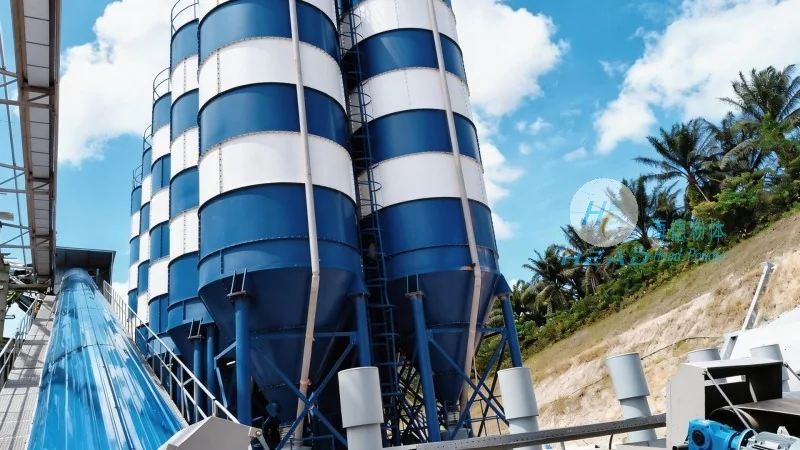
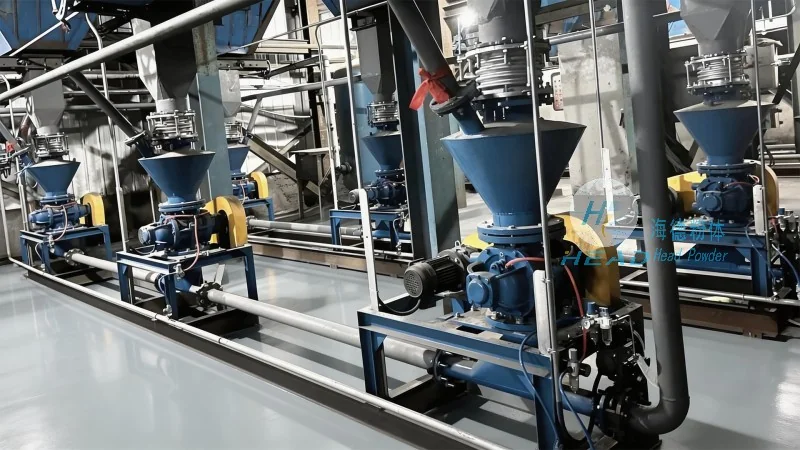
Magnesium sulfate powder handling systems typically operate on principles that ensure efficient and reliable transport of fine powders. The core of such systems often involves a combination of mechanical and pneumatic components designed to manage the unique properties of magnesium sulfate, such as its hygroscopic nature and fine particle size. Key components include a feeding device, which accurately meters the powder into the system, and a conveying mechanism—either pneumatic (air-assisted) or mechanical (e.g., screw conveyors or belt systems)—that transports the material through pipelines to the destination. Control units monitor and regulate the flow, pressure, and temperature to maintain optimal performance and prevent issues like clogging or material degradation.
Operational Characteristics in Different Work Scenarios
The operational characteristics of magnesium sulfate powder handling systems are tailored to meet the demands of various industrial applications. In chemical manufacturing, these systems are crucial for transporting raw magnesium sulfate to production lines, ensuring consistent feed rates that support efficient processing. In pharmaceutical and food processing industries, the systems must adhere to stringent hygiene and contamination control standards, making them suitable for handling materials that require high purity. Additionally, the systems are designed to handle varying particle sizes and flow rates, adapting to the specific requirements of each work scenario. For example, in a fertilizer production facility, the system may need to handle large volumes of magnesium sulfate at high speeds, while in a laboratory setting, it might operate with lower throughput and more precise control.
Advantages of the Powder Handling Systems
One of the primary advantages of magnesium sulfate powder handling systems is their ability to maintain high throughput while minimizing material loss and degradation. The advanced design of the conveying components reduces the risk of clogging and ensures smooth flow, even with hygroscopic powders that tend to clump. Additionally, the systems are equipped with safety features, such as pressure relief valves and emergency shut-off mechanisms, to prevent accidents and protect personnel. The modular nature of the systems allows for easy integration with existing production lines and scalability to accommodate future growth. This adaptability makes them a cost-effective solution for industries that require reliable and efficient powder transport.
Conclusion
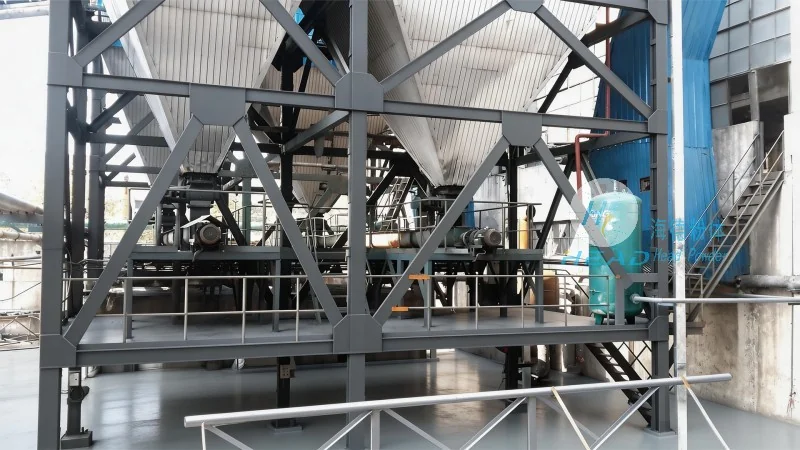
Overall, magnesium sulfate powder handling systems from Shandong HeadPowder Engineering Co., Ltd. represent a sophisticated solution for industries that rely on the efficient transport of fine chemicals. By combining advanced engineering principles with practical application, these systems deliver consistent performance, high reliability, and adaptability to diverse work scenarios. Whether used in chemical manufacturing, pharmaceutical production, or other industrial settings, the systems provide a robust and efficient means of handling magnesium sulfate, ensuring optimal operational outcomes and supporting the success of the end-user's processes.