

Principle and Working Scene Characteristics of Magnesium Oxide Powder Conveying System
Understanding the fundamental principles and operational characteristics of magnesium oxide powder conveying systems is crucial for industries dealing with this specific material. These systems are engineered to handle the unique properties of magnesium oxide, a white, odorless powder commonly used in various applications such as refractory materials, pharmaceuticals, and chemical processing. The design of these conveying systems addresses challenges like dust generation, material flow control, and efficient transportation, ensuring safe and reliable operation.
Core Principles of Powder Conveying Technology
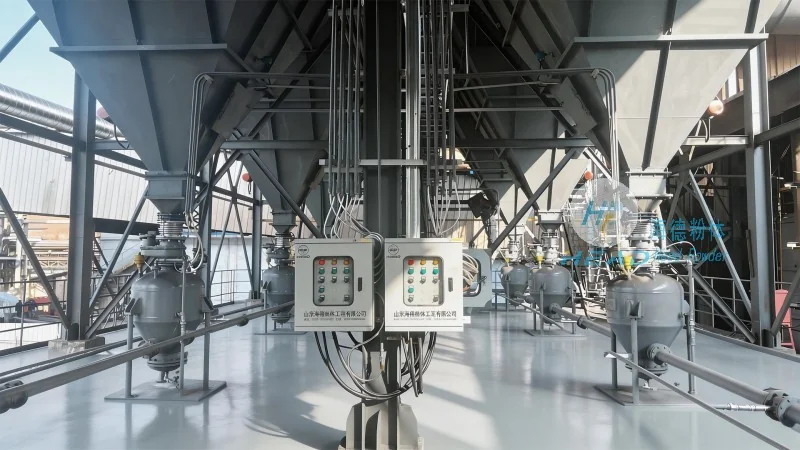
The operation of magnesium oxide powder conveying systems is based on several key principles that ensure effective material handling. One primary principle is the use of pneumatic or mechanical methods to move the powder from a source to a destination. Pneumatic conveying, for instance, utilizes compressed air to create a flow that transports the powder through pipes. This method is particularly effective for handling fine powders like magnesium oxide, as it minimizes particle degradation and reduces the risk of clogging. Mechanical conveying systems, on the other hand, rely on equipment such as screw conveyors or belt conveyors, which are suitable for bulk material handling and can be integrated with other processing equipment.

Working Scene Characteristics and Applications
The working scene characteristics of magnesium oxide powder conveying systems vary depending on the specific industry and application. In refractory manufacturing, for example, these systems are used to transport magnesium oxide powder to mixing and molding processes, where it is combined with other raw materials to create high-temperature-resistant products. The systems must be designed to handle high temperatures and maintain material quality, as any degradation of the powder can affect the final product's performance. In pharmaceutical applications, the conveying systems must adhere to strict hygiene and contamination control standards, ensuring that the magnesium oxide powder remains sterile and free from impurities. This often involves the use of closed-loop systems and filtration to prevent dust exposure and maintain product purity.
System Components and Design Considerations
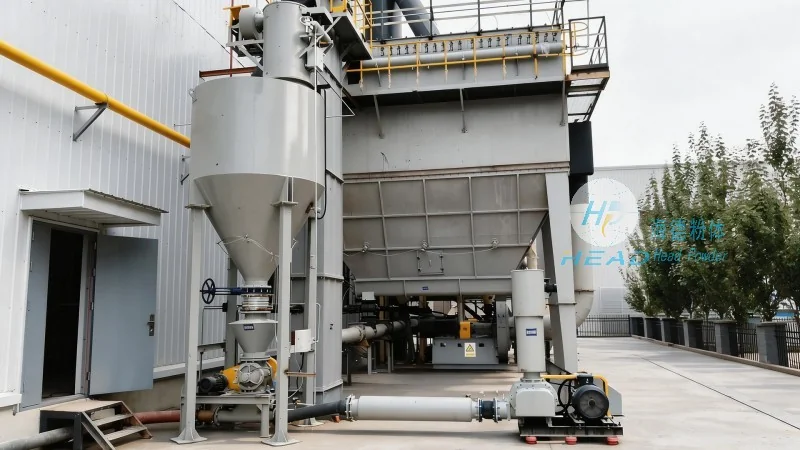
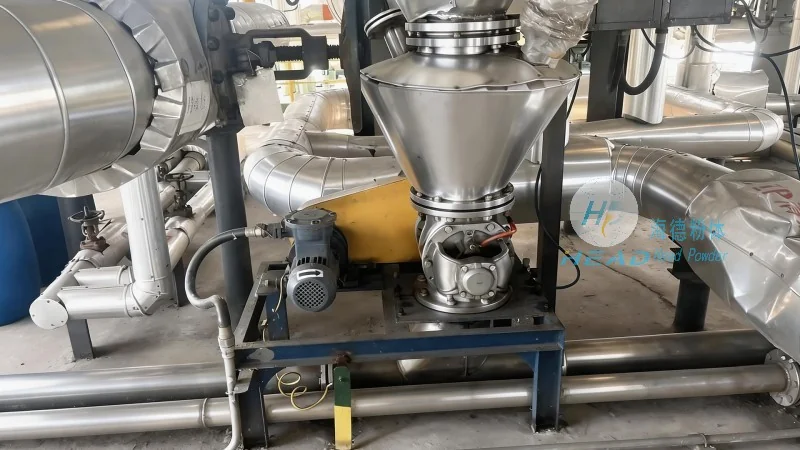
Effective magnesium oxide powder conveying systems consist of several critical components, each playing a vital role in the overall operation. The primary components include a material feed hopper, which stores and feeds the powder into the conveying system; a conveying line, which transports the powder through pipes or other channels; and a discharge unit, which delivers the material to the intended destination. The design of these components must consider the physical properties of magnesium oxide, such as its particle size distribution, bulk density, and flowability. For instance, the feed hopper may be equipped with a vibration or agitator to prevent material bridging and ensure a consistent flow rate. The conveying line is typically made of materials like stainless steel or plastic, which are resistant to corrosion and can handle the abrasive nature of the powder. Additionally, the system may include a dust collection and filtration system to capture any airborne particles and maintain a clean working environment.
Operational Efficiency and Maintenance
Ensuring the efficiency and longevity of magnesium oxide powder conveying systems requires proper operational practices and regular maintenance. Regular inspection of components such as the feed hopper, conveying line, and discharge unit is essential to identify and address any issues before they lead to system failure. For example, checking for signs of wear and tear on the conveying line can prevent leaks and material loss. Cleaning the system periodically, especially after handling different batches of magnesium oxide, helps maintain material quality and prevent cross-contamination. The use of appropriate lubricants and filters also contributes to the system's efficiency, reducing energy consumption and extending the lifespan of components. In addition, training operators on proper system operation and safety protocols is crucial to minimize accidents and ensure smooth operation.
Conclusion
Magnesium oxide powder conveying systems are essential equipment for industries that rely on this material, offering efficient and reliable transportation solutions. By understanding the core principles and working scene characteristics, manufacturers can select and implement systems that meet their specific needs. The proper design and maintenance of these systems ensure optimal performance, safety, and product quality. As a leading provider in this field, Shandong HeadPowder Engineering Co., Ltd. specializes in developing customized conveying solutions tailored to the unique requirements of various industries, ensuring that clients receive high-quality, reliable equipment for their magnesium oxide powder handling needs.