

Principles and Application Scenarios of Hydrogen Chloride Powder Handling and Transportation
Hydrogen chloride (HCl) is a highly corrosive and hazardous gas commonly used in various industrial processes, particularly in the chemical manufacturing sector. Efficient and safe handling of HCl powder is crucial for maintaining operational safety, ensuring product quality, and complying with environmental regulations. This article explores the fundamental principles behind HCl powder transportation and highlights key application scenarios where specialized systems are employed, with a focus on the expertise of Shandong HeadPowder Engineering Co., Ltd. (headpowder), a leading provider of advanced powder handling solutions.
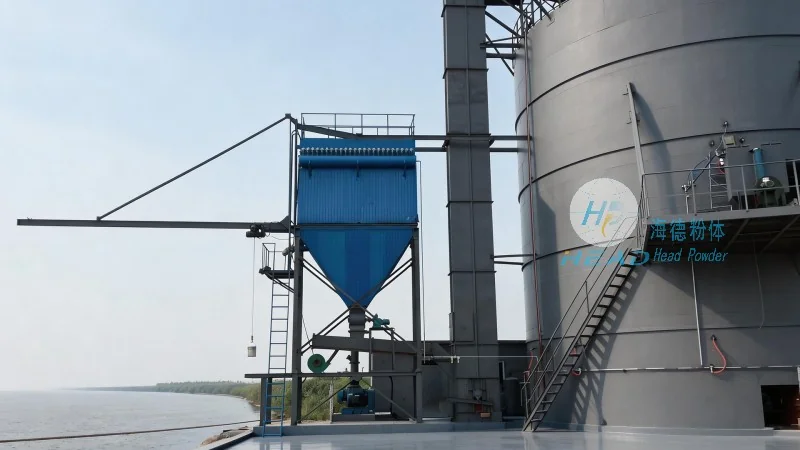
Understanding the Fundamentals of Hydrogen Chloride Powder Transportation
Hydrogen chloride powder transportation typically relies on advanced pneumatic conveying systems designed to manage the unique properties of HCl. These systems are engineered to handle the gas's corrosive nature, ensuring that all components are constructed from materials resistant to HCl, such as stainless steel or specialized alloys. The core principle involves converting the HCl gas into a powder form through processes like gas absorption or chemical reaction, followed by transporting the powder through pipelines using compressed air or other carrier gases.
The pneumatic conveying process for HCl powder operates on the principle of creating a flow of gas that entrains the powder particles, moving them from the source to the destination. This method offers several advantages over traditional mechanical conveying, including reduced risk of dust explosion, lower maintenance requirements, and improved control over the powder's temperature and moisture content. The system typically includes components like feeders, conveying lines, and discharge units, all designed to minimize exposure to the corrosive environment and prevent leaks or contamination.
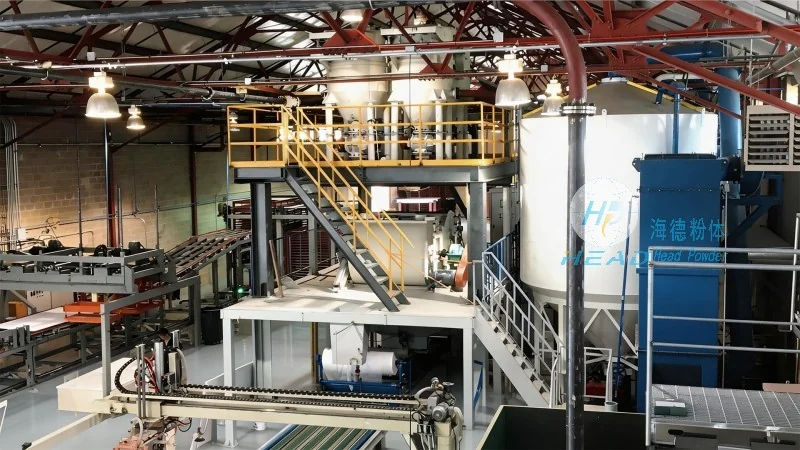
Key Application Scenarios for HCl Powder Handling Systems
Industrial applications of HCl powder transportation vary widely, depending on the specific manufacturing processes and end-use products. One common scenario involves the production of hydrochloric acid, where HCl powder is used as a raw material. In such cases, the transportation system must be integrated into the overall production line, ensuring seamless transfer from storage to reaction vessels. This requires precise control over the powder flow rate and pressure to maintain consistent reaction conditions and prevent overloading or underloading of the reactors.
Another significant application is in the manufacturing of pharmaceuticals or specialty chemicals, where HCl is used as a catalyst or reagent. Here, the handling system must adhere to stringent quality and safety standards, including containment measures to prevent HCl vapor leakage and ensure that the powder is handled in a controlled environment. The system may also incorporate additional features like temperature regulation or moisture control to preserve the integrity of the HCl powder and prevent degradation.
Storing and transporting HCl powder for long-term use is another critical scenario. In this case, the system must be designed for durability and reliability, with components that can withstand prolonged exposure to HCl and environmental factors. The storage tanks and pipelines are typically equipped with monitoring systems to detect any leaks or pressure changes, ensuring that the HCl powder remains contained and safe. This scenario often involves large-scale operations, where the transportation system must handle high volumes of HCl powder efficiently while maintaining operational efficiency and safety.
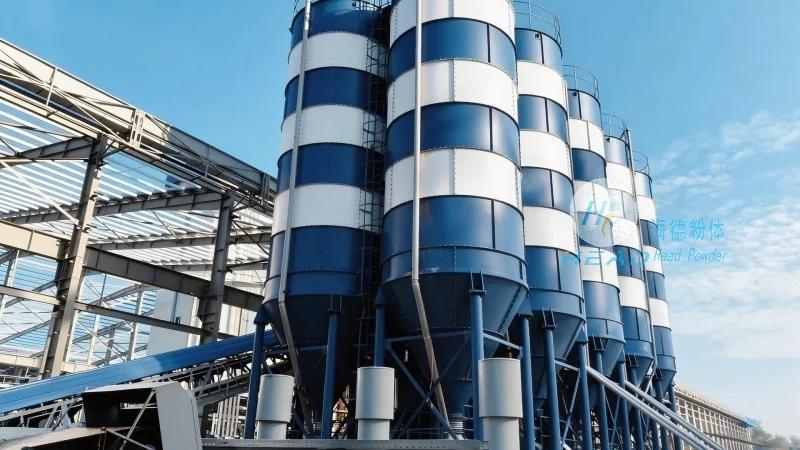
Technological Advancements in HCl Powder Transportation
Recent advancements in material science and engineering have led to improved technologies for HCl powder transportation, enhancing both safety and efficiency. For instance, the development of corrosion-resistant materials, such as Hastelloy or titanium alloys, has extended the lifespan of conveying components and reduced maintenance costs. Additionally, the integration of automation and control systems allows for real-time monitoring of the powder flow, pressure, and temperature, enabling operators to adjust the system parameters dynamically and optimize performance.
Another technological innovation is the use of vacuum conveying systems, which are particularly effective for handling fine HCl powders that are prone to dusting. These systems operate by creating a vacuum that draws the powder into the conveying line, reducing the risk of particle loss and improving material recovery. The vacuum approach also minimizes the need for compressed air, making the system more energy-efficient and environmentally friendly. Furthermore, the adoption of modular design in HCl powder transportation systems allows for easy scaling and customization, enabling companies to adapt the system to their specific production needs without significant modifications.
Operational Considerations and Safety Measures
When implementing HCl powder transportation systems, several operational considerations and safety measures must be taken into account to ensure compliance with industry standards and protect personnel. First, all components of the system must be properly sealed and maintained to prevent HCl gas leaks, which can be hazardous to human health and the environment. Regular inspections and maintenance schedules are essential to identify and address any potential issues before they escalate.
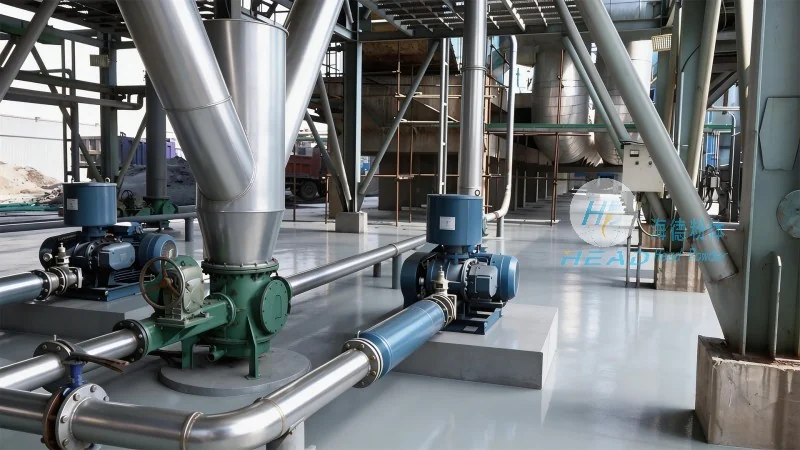
Second, the system must be equipped with appropriate safety devices, such as pressure relief valves, emergency shut-off valves, and gas detectors. These devices are critical for responding to unexpected situations, such as overpressure or gas leaks, and minimizing the risk of accidents. Additionally, personnel operating the HCl powder transportation system should receive comprehensive training on the safe handling of HCl and the proper use of personal protective equipment (PPE), including gloves, goggles, and respirators.
Third, environmental considerations play a vital role in the design and operation of HCl powder transportation systems. The system must be designed to minimize emissions and prevent contamination of the surrounding environment. This may involve the use of closed-loop systems, where the HCl powder is contained throughout the transportation process, and any waste or byproducts are properly treated before disposal. Compliance with local and national environmental regulations is also essential to avoid penalties and maintain a positive corporate image.