

Principle and Working Scene Characteristics of Unmanned Powder Feeding and Conveying
Unmanned powder feeding and conveying systems represent a significant advancement in industrial automation, particularly in sectors dealing with bulk solid materials. These systems are designed to handle the precise and efficient transfer of powders without human intervention, leveraging advanced technologies to ensure reliability, safety, and operational consistency. The core principle behind such systems revolves around integrated automation, where sensors, control units, and mechanical components work in tandem to manage the entire process from material loading to delivery.
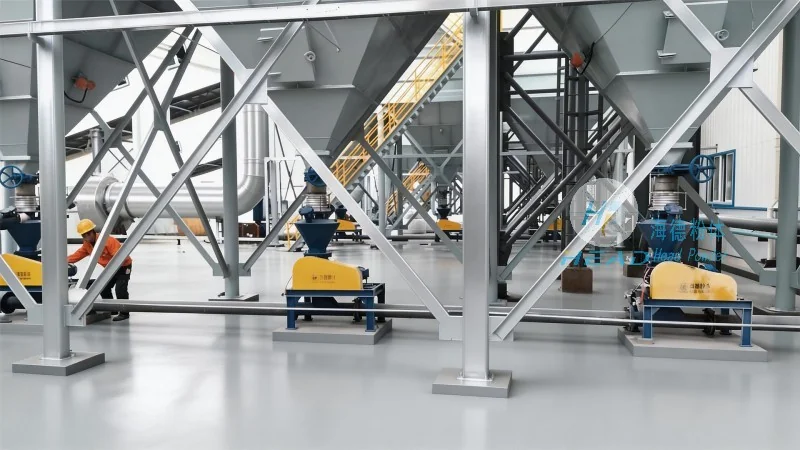
Core Principles of Unmanned Powder Feeding Technology
The fundamental principle of unmanned powder feeding systems is the automation of material handling through a combination of mechanical, electrical, and software components. At the heart of these systems are precision feeders, often including screw feeders, vibratory feeders, or pneumatic conveyors, which are controlled by programmable logic controllers (PLCs) or advanced digital control systems. Sensors, such as level detectors, flow meters, and position sensors, continuously monitor the material status and process parameters, providing real-time data to the control unit. This data-driven approach enables the system to adjust feeding rates, maintain consistent material flow, and prevent issues like overfilling or underflow.
One of the critical aspects of the principle is the integration of safety features. Modern unmanned systems incorporate emergency stop mechanisms, overload protection, and environmental sensors to ensure that any anomalies are detected and addressed promptly. This not only enhances operational safety but also minimizes downtime by preventing equipment damage or material loss. The control software typically includes algorithms for predictive maintenance, allowing the system to anticipate potential failures and schedule repairs before they impact production.
Working Scene Characteristics and Typical Applications
The working scene characteristics of unmanned powder feeding systems are tailored to meet the diverse needs of industrial environments. These systems are commonly deployed in sectors where handling fine or bulk powders is essential, such as chemical manufacturing, pharmaceutical production, food processing, and mining. The key characteristics that define their application include high precision, scalability, and adaptability to different material types and processing requirements.
In chemical manufacturing, for instance, unmanned powder feeding systems are used to transfer raw materials like powders, granules, or pellets to reactors or processing units. The systems ensure accurate dosing, which is crucial for maintaining the chemical composition of products and preventing contamination. The automated nature of these systems reduces human error, which is particularly important in industries where safety and regulatory compliance are paramount.
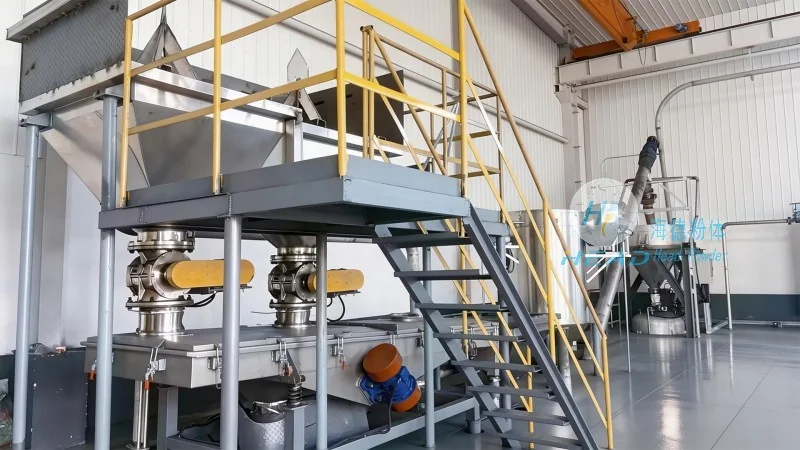
Pharmaceutical production also relies heavily on unmanned powder handling due to stringent quality control and hygiene standards. These systems are designed to operate in cleanroom environments, with features like sterile materials, easy-to-clean components, and closed-loop systems to prevent cross-contamination. The ability to maintain consistent particle size distribution and flow rates is vital for ensuring the efficacy and safety of pharmaceutical products.
Food processing industries, including the production of flour, sugar, and other food ingredients, benefit from unmanned powder feeding systems by improving efficiency and hygiene. These systems can handle a wide range of food-grade materials while adhering to food safety regulations. The automation reduces the risk of human contact with raw materials, minimizing the potential for contamination and ensuring product quality.
Advantages and Operational Benefits in Industrial Settings
The adoption of unmanned powder feeding systems offers several advantages that enhance operational performance and cost-effectiveness. One of the primary benefits is increased productivity, as these systems can operate continuously without breaks, reducing the need for manual intervention and extending production cycles. The precision control of feeding rates ensures that materials are delivered at the exact rate required, optimizing process efficiency and reducing waste.
Another significant advantage is enhanced safety. By eliminating human operators from the material handling process, the risk of workplace accidents, such as dust explosions or material spills, is minimized. This is particularly important in industries dealing with hazardous materials, where human exposure can lead to severe health risks. The automated systems also reduce the risk of repetitive strain injuries associated with manual feeding tasks.
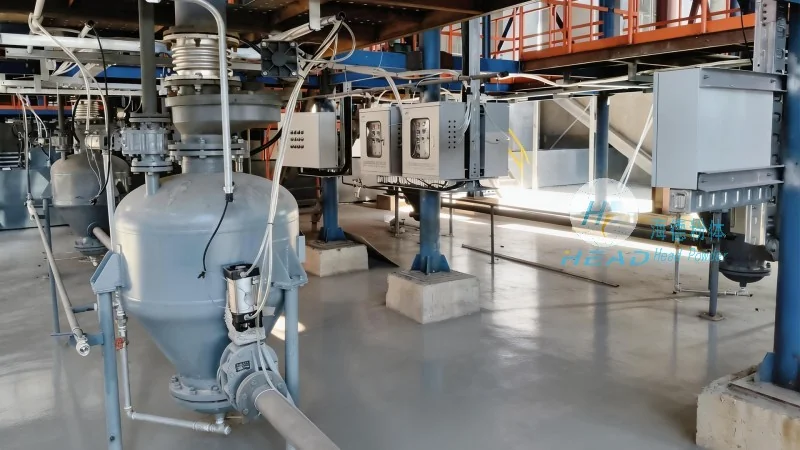
Cost savings are another key benefit. Unmanned systems reduce labor costs by automating routine tasks and minimize material losses due to overfilling or underflow. Additionally, the predictive maintenance capabilities of modern systems help in reducing unexpected downtime and maintenance expenses. Over time, these systems can lead to substantial savings in operational costs and increased profitability for industrial operations.
Integration with Existing Industrial Infrastructure
Unmanned powder feeding systems are designed to integrate seamlessly with existing industrial infrastructure, making them a viable upgrade for many facilities. These systems can be retrofitted into existing production lines or incorporated into new plant designs, adapting to the specific layout and workflow of the facility. The modular nature of many systems allows for customization to meet unique operational requirements, such as varying material types, processing volumes, or environmental conditions.
Integration also involves compatibility with other industrial automation components, such as conveyor systems, storage silos, and processing equipment. Modern systems often use standardized communication protocols (e.g., Ethernet, Profinet) to ensure smooth data exchange with other devices on the factory floor. This interoperability enables the creation of a comprehensive, automated production line where each component works in harmony to achieve optimal performance.
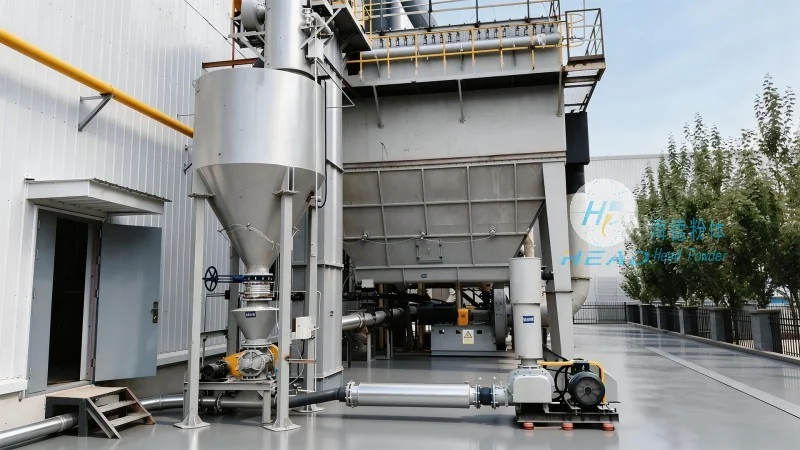
Furthermore, the scalability of unmanned powder feeding systems allows businesses to expand their operations without significant disruptions. As production needs grow, additional feeders or conveyors can be added to the system, maintaining the same level of precision and control. This flexibility is particularly valuable for companies operating in dynamic markets where demand fluctuates or product lines are expanded.
Future Trends and Technological Advancements
The field of unmanned powder feeding is continuously evolving, with new technologies emerging to further enhance system capabilities. One of the notable trends is the integration of artificial intelligence (AI) and machine learning (ML) into control systems. AI algorithms can analyze historical data to optimize feeding parameters, predict equipment failures, and adapt to changing material properties in real-time. This advanced level of automation not only improves efficiency but also reduces the need for manual adjustments, making the systems more autonomous.
Another technological advancement is the use of advanced sensors, such as laser scanners and image recognition systems, to enhance material monitoring. These sensors can provide more accurate measurements of particle size, moisture content, and flow characteristics, enabling even more precise control over the feeding process. The combination of AI and advanced sensors is expected to lead to systems that are more intelligent, adaptive, and capable of handling complex material handling challenges.
Additionally, the adoption of Industry 4.0 concepts, such as the Internet of Things (IoT) and digital twins, is transforming unmanned powder feeding systems. IoT connectivity allows real-time monitoring and remote management of the systems, enabling operators to access data from anywhere and make adjustments as needed. Digital twins, which are virtual replicas of the physical system, can be used to simulate different scenarios and optimize system performance before implementation. These technologies are paving the way for more connected, intelligent, and efficient industrial operations.