

Principles and Working Scene Characteristics of Powder Mixing and Conveying for Ingredient Blending
Shandong HeadPowder Engineering Co., Ltd., commonly known as headpowder, is a professional manufacturer specializing in the research, development, and production of powder processing equipment. With a focus on innovation and precision engineering, the company provides comprehensive solutions for powder mixing and conveying systems, particularly in the context of ingredient blending applications. This article explores the fundamental principles behind these processes and highlights the key characteristics of working scenarios where such systems are effectively utilized.
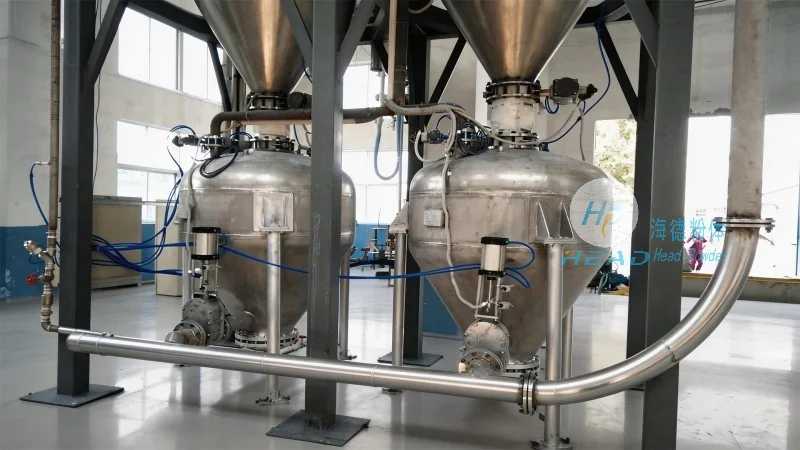
Understanding the Core Principles of Powder Mixing and Conveying
The process of powder mixing and conveying for ingredient blending involves several interconnected principles that ensure efficient material handling and consistent product quality. At the heart of this technology is the ability to handle bulk powders, such as raw materials or additives, and transport them from one location to another while maintaining their integrity and homogeneity. The primary goal is to achieve uniform mixing of different ingredients, which is critical in industries like pharmaceuticals, food processing, and chemical manufacturing where precise composition is essential.
Key principles include the use of specialized equipment designed to minimize particle segregation and ensure thorough blending. Conveying systems often employ mechanisms like screw conveyors, pneumatic transport, or mechanical mixers to move powders through pipelines or containers. The design of these systems takes into account factors like particle size, density, and flow characteristics to optimize performance. For instance, screw conveyors utilize rotating screws to push powders forward, while pneumatic systems use air pressure to transport particles in a controlled manner. Each method has its advantages and is selected based on the specific requirements of the application.
Working Scene Characteristics of Powder Mixing and Conveying Systems
The working scene characteristics of powder mixing and conveying systems vary significantly depending on the industry and the nature of the materials being handled. In pharmaceutical manufacturing, for example, the systems must adhere to stringent hygiene and contamination control standards. This often involves the use of stainless steel components, sealed systems, and advanced cleaning protocols to ensure that the final product meets regulatory requirements. The working environment may also require dust suppression measures to maintain air quality and protect personnel.
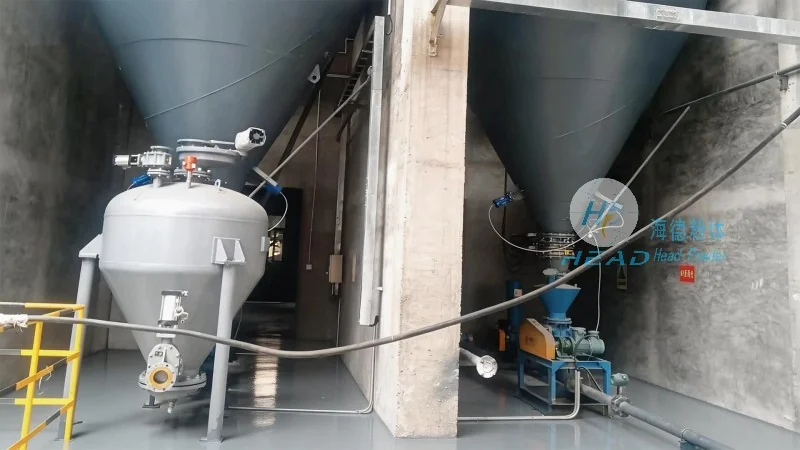
In the food processing industry, the focus is on maintaining product safety and quality while ensuring compliance with food safety regulations. Systems may incorporate features like temperature control, moisture management, and easy-to-clean surfaces to prevent cross-contamination. The working scene may involve high-volume production lines where efficiency and reliability are paramount. Here, the ability to handle large quantities of powders quickly and consistently is crucial for meeting production targets.
In chemical manufacturing, the systems must be robust enough to handle abrasive or corrosive powders. This may require the use of specialized materials for the equipment components, such as high-grade alloys or corrosion-resistant coatings. The working scene may involve continuous processing operations where the mixing and conveying systems operate around the clock. The reliability and durability of the equipment are critical to minimize downtime and ensure consistent output.
Application-Specific Considerations in Powder Mixing and Conveying
When designing and implementing powder mixing and conveying systems for ingredient blending, several application-specific considerations must be taken into account. The first is the nature of the ingredients themselves. Different powders have varying properties, such as particle size distribution, bulk density, and flowability. These properties directly impact the choice of equipment and the operating parameters. For example, cohesive powders may require the use of mixers with high shear capabilities to break down agglomerates and achieve uniform mixing.
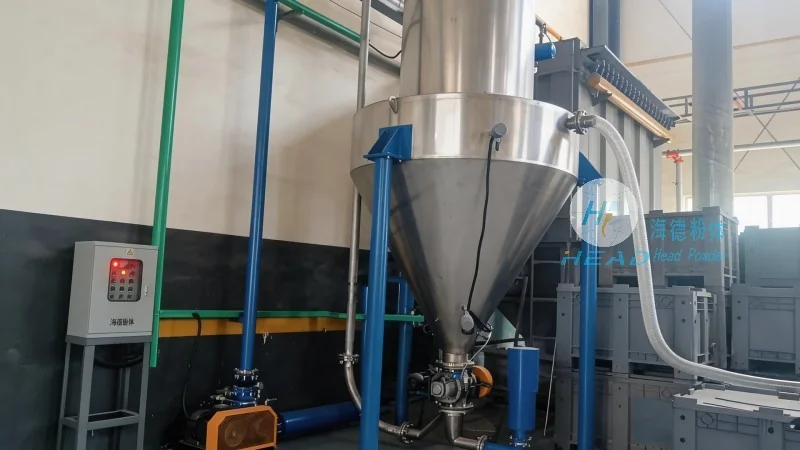
Another important consideration is the scale of operation. Small-scale applications may use compact mixing and conveying units, while large-scale industrial processes may require larger, more robust systems capable of handling high throughput. The working scene characteristics, such as the need for continuous operation or batch processing, also influence the system design. Batch processing systems are often used in research and development or small-scale production, where flexibility is needed to test different formulations. In contrast, continuous systems are preferred in large-scale manufacturing for their efficiency and ability to maintain consistent product quality over extended periods.
Environmental factors also play a role in the working scene characteristics. Systems may need to be designed to minimize energy consumption and reduce waste. This can involve the use of energy-efficient motors, optimized conveying paths, and recycling systems to recover excess material. Additionally, the working environment may require noise reduction measures, especially in facilities where the equipment operates continuously. The overall goal is to create a sustainable and efficient operation that aligns with modern industrial standards.
Conclusion: The Importance of Proper Powder Mixing and Conveying
In conclusion, the principles and working scene characteristics of powder mixing and conveying for ingredient blending are critical to the success of various industrial applications. The ability to handle powders efficiently and consistently ensures that the final products meet the required quality standards. Shandong HeadPowder Engineering Co., Ltd. specializes in providing tailored solutions that address the unique needs of different industries, from pharmaceuticals to food processing and chemicals. By understanding the core principles and application-specific considerations, businesses can select and implement the most suitable powder mixing and conveying systems to enhance their operations and achieve their production goals.