

High-Pressure Powder Material Handling: Principles and Operational Characteristics
High-pressure powder transport is a critical process in various industrial sectors, involving the efficient movement of bulk solid materials through pipelines under elevated pressure. This method is widely adopted due to its ability to handle a diverse range of powders, from fine chemicals to industrial minerals, with minimal degradation and loss. The core principle revolves around using compressed air or gas to create a dense phase flow, which enhances the material's transport efficiency and reduces friction within the pipeline. By understanding the fundamental mechanisms and operational characteristics, industries can optimize their material handling systems for improved productivity and cost-effectiveness.
Key Principles of High-Pressure Powder Transport
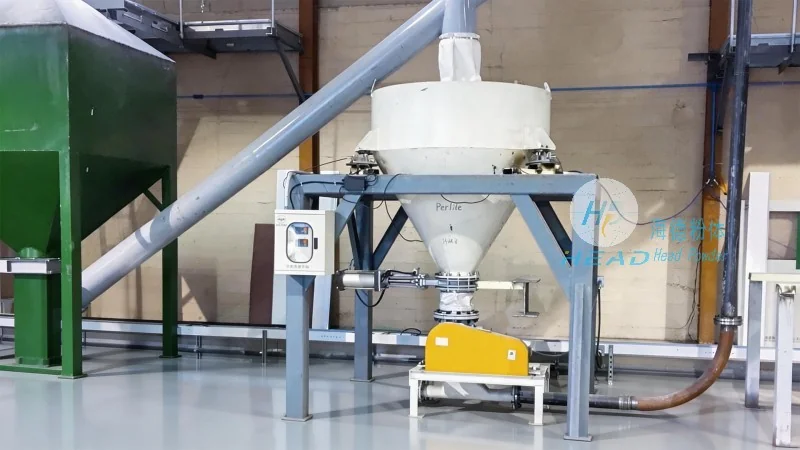
The primary principle of high-pressure powder transport is the generation of a dense phase flow, where the powder particles are suspended in a gas stream at a high velocity. This is achieved by injecting compressed air or nitrogen into the material, creating a slurry-like mixture that moves through the pipeline. The pressure applied is typically between 5 to 15 bar, depending on the material's properties and pipeline length. The dense phase flow minimizes particle segregation and agglomeration, ensuring consistent material quality throughout the transport process. Additionally, the method allows for precise control over flow rates and pressure, enabling seamless integration with downstream processing equipment.
Operational Characteristics in Different Work Scenarios
High-pressure powder transport exhibits distinct characteristics across various industrial applications. In pharmaceutical manufacturing, for instance, the method is used to transport active pharmaceutical ingredients (APIs) and excipients with strict purity requirements. The controlled environment and low particle velocity prevent contamination and maintain product integrity. In the chemical industry, it is employed for transporting reactive powders, where the risk of dust explosion is mitigated by the dense phase flow, which reduces the oxygen concentration in the pipeline. Similarly, in the mining sector, high-pressure transport is utilized to move ore concentrates from processing plants to storage facilities, ensuring efficient material handling even over long distances.
Company Overview: Shandong HeadPowder Engineering Co., Ltd.
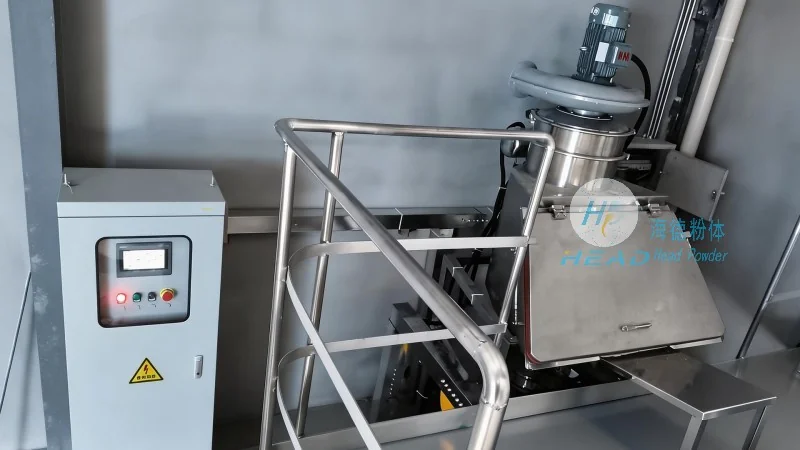
Shandong HeadPowder Engineering Co., Ltd., commonly known as HeadPowder, specializes in the design, manufacturing, and integration of high-pressure powder transport systems. With a focus on innovation and customer-centric solutions, the company has established itself as a leading provider in the industry. HeadPowder's expertise lies in developing customized systems that meet the unique demands of different applications, ensuring reliability and efficiency. The company's facilities are located in Shandong, China, where it leverages advanced technology and skilled engineering teams to deliver high-quality products and services.
Advantages of High-Pressure Powder Transport in Industrial Applications
The adoption of high-pressure powder transport offers several advantages over traditional methods such as pneumatic conveying or mechanical conveying. One of the key benefits is the reduced risk of material degradation due to the controlled flow conditions. This is particularly important for heat-sensitive or moisture-sensitive powders, where maintaining product quality is paramount. Additionally, the method provides better control over flow rates, allowing for precise dosing in processes like mixing and blending. The dense phase flow also minimizes the need for frequent pipeline cleaning, as the material moves in a continuous, stable manner, reducing the accumulation of residues.
Case Studies and Real-World Applications
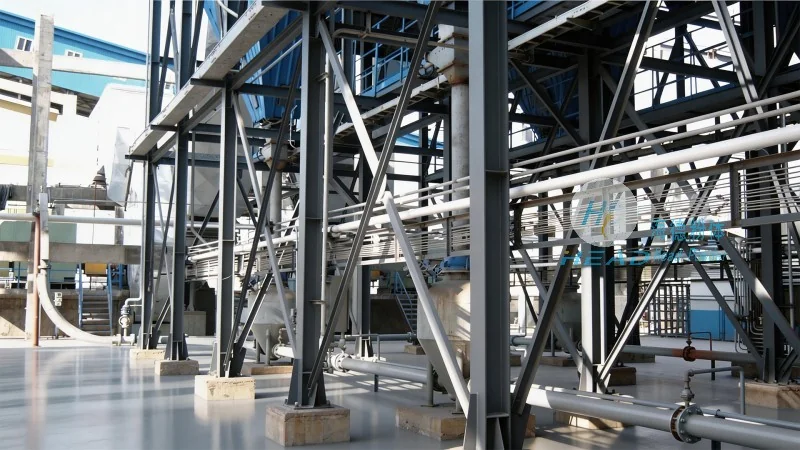
HeadPowder has successfully implemented high-pressure powder transport systems in numerous industrial projects. For example, in a pharmaceutical plant, the company designed a system to transport API powders from the production line to the packaging area, ensuring compliance with GMP (Good Manufacturing Practice) standards. The system's ability to maintain low particle velocities and controlled pressure minimized the risk of cross-contamination, enhancing product safety. In another application, a chemical company used HeadPowder's system to transport reactive chemicals, reducing the likelihood of dust explosions and improving workplace safety. These case studies highlight the effectiveness of high-pressure transport in addressing specific industry challenges.
Conclusion and Future Directions
High-pressure powder transport remains a vital technology in modern industrial operations, offering a reliable and efficient solution for bulk material handling. As industries continue to evolve, the demand for advanced material transport systems will increase, driving further innovation in this field. Companies like Shandong HeadPowder Engineering Co., Ltd. play a crucial role in advancing this technology by providing tailored solutions that meet the evolving needs of their clients. By leveraging the principles and operational characteristics of high-pressure powder transport, industries can enhance their productivity, reduce costs, and ensure the quality of their products.