

Principle and Working Scene Characteristics of Buckwheat Hull Pneumatic Conveying
Understanding the mechanics of pneumatic conveying is crucial for industries dealing with bulk materials like buckwheat hulls. This article explores the fundamental principles behind buckwheat hull pneumatic conveying systems and highlights the key characteristics of their operational environments.
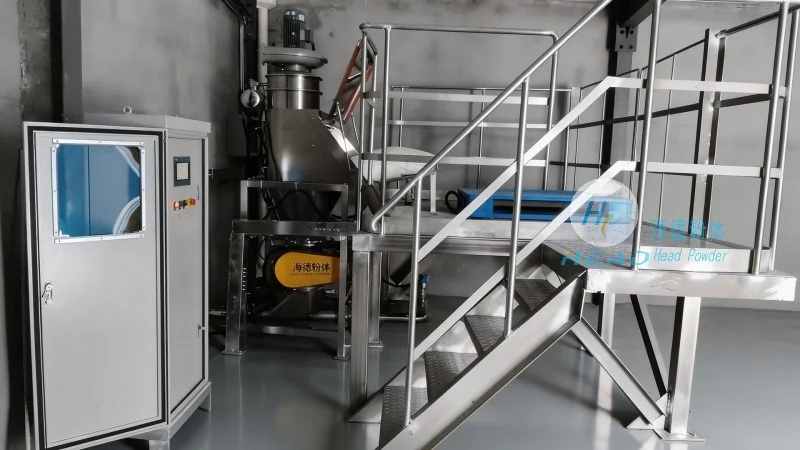
Principle of Pneumatic Conveying for Buckwheat Hulls
Pneumatic conveying systems utilize air to transport bulk materials through a pipeline. In the case of buckwheat hulls, which are lightweight and often have irregular shapes, specialized equipment is required to ensure efficient and reliable movement. The core principle involves creating a pressure differential—either positive or negative—to move the material. Positive pressure systems force air and material through the pipeline, while negative pressure systems draw material into the system using a vacuum. For buckwheat hulls, the choice of system depends on factors such as material properties, required throughput, and the distance to be covered.
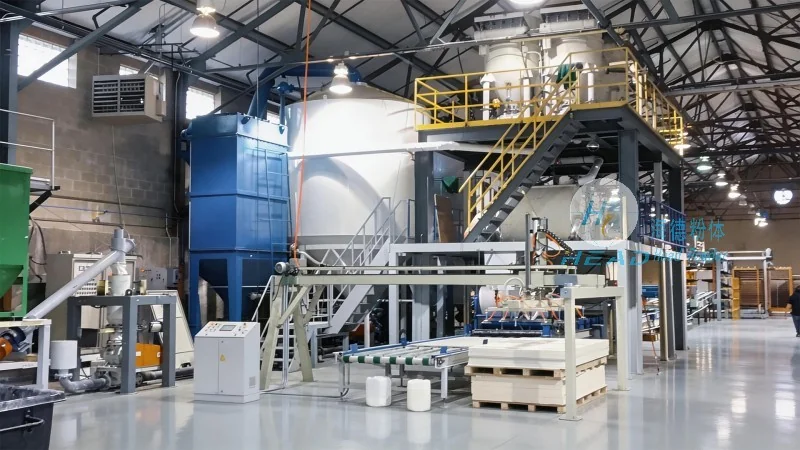
Working Scene Characteristics of Buckwheat Hull Pneumatic Conveying
The operational environment for buckwheat hull pneumatic conveying varies significantly based on the application. In agricultural processing facilities, these systems are commonly used to transport hulls from storage silos to processing equipment like dehullers or dryers. The key characteristics of these working scenes include high material flow rates, the need for gentle handling to prevent hull damage, and integration with other processing machinery. For example, in a commercial buckwheat processing plant, the system might need to handle large volumes of hulls while maintaining low dust generation and energy efficiency. Additionally, the working environment may involve variable material moisture content, which can affect the system's performance and require adjustments to air flow and pressure settings.
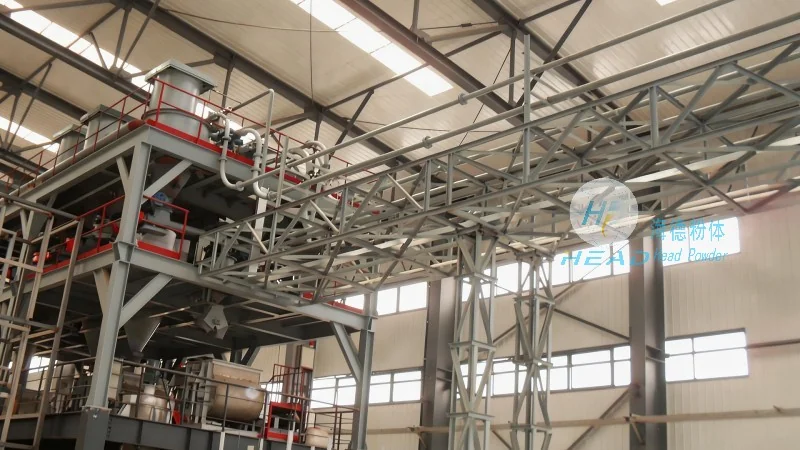
System Design Considerations for Different Applications
The design of buckwheat hull pneumatic conveying systems must account for the unique characteristics of the material. Buckwheat hulls are typically light, with a low bulk density, which means they can be easily suspended in air. However, they also have a tendency to form agglomerates or clumps, especially if they are damp. To address this, systems often incorporate features such as rotary valves, airlocks, and inline mixers to ensure consistent material flow. The pipeline design is also critical; larger diameters may be required to minimize pressure drop and maintain air velocity, which is essential for keeping the hulls in suspension. Furthermore, the system must be equipped with filtration and dust collection components to comply with environmental regulations and maintain air quality in the processing facility.
Efficiency and Performance Metrics in Buckwheat Hull Conveying
Efficiency in buckwheat hull pneumatic conveying is measured by several key metrics, including material throughput, pressure drop, and energy consumption. High throughput is essential for meeting production demands, while maintaining low pressure drop ensures that the system operates efficiently without excessive energy use. Energy consumption is a significant factor, as pneumatic conveying can be more energy-intensive than other methods like belt conveyors. However, for materials like buckwheat hulls that are difficult to handle mechanically, the benefits of reduced labor and improved material handling often outweigh the energy costs. Performance metrics also include the system's ability to handle variations in material properties, such as changes in hull size or moisture content, without compromising operation. This adaptability is crucial for maintaining consistent production output in dynamic processing environments.
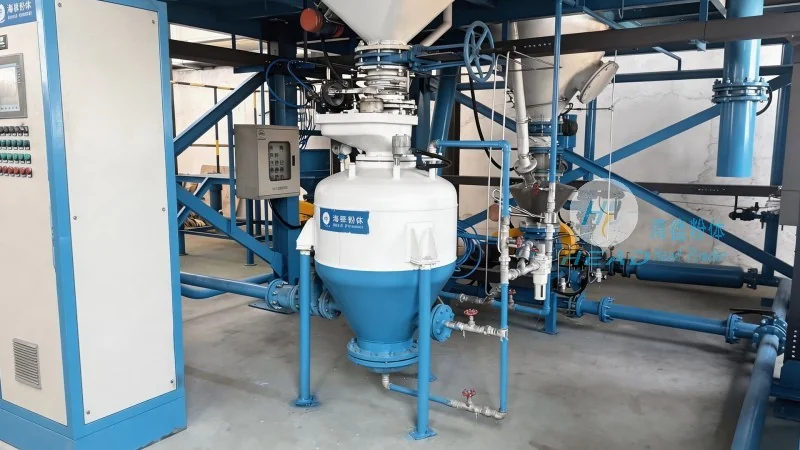
HeadPowder Engineering: Expertise in Buckwheat Hull Pneumatic Conveying Solutions
Shandong HeadPowder Engineering Co., Ltd. specializes in providing tailored pneumatic conveying solutions for industries processing buckwheat hulls and other similar bulk materials. With a focus on engineering excellence and customer-centric design, HeadPowder has developed systems that address the unique challenges of handling lightweight, irregular materials. The company's expertise lies in understanding the material properties of buckwheat hulls and translating them into effective system designs. By leveraging advanced technology and years of industry experience, HeadPowder ensures that its conveying systems deliver high efficiency, reliability, and durability. The company's facilities are located in Shandong, China, where it serves clients across the agricultural and food processing sectors. HeadPowder's commitment to quality and innovation has made it a trusted partner for businesses seeking to optimize their buckwheat hull handling processes.