

Principle and Working Scene Characteristics of Monocrystalline Silicon Pneumatic Conveying
Monocrystalline silicon, a critical material in the photovoltaic industry, requires efficient and reliable material handling solutions to ensure smooth production processes. Pneumatic conveying, a technology that uses air or gas to transport bulk materials, has become a preferred method for handling monocrystalline silicon due to its advantages in cleanliness, speed, and flexibility. This article explores the fundamental principles of monocrystalline silicon pneumatic conveying and highlights the key characteristics of its working scenes, providing insights into how this technology supports modern silicon manufacturing operations.
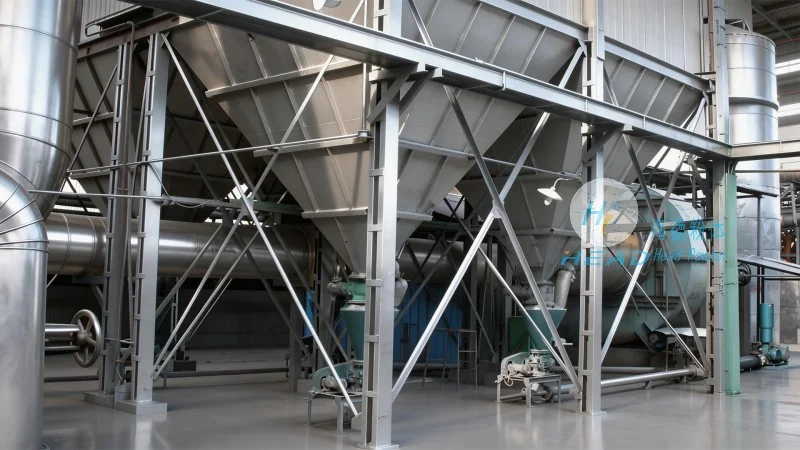
Principle of Monocrystalline Silicon Pneumatic Conveying
Pneumatic conveying operates on the principle of transporting solid particles through a pipeline using a moving gas stream. In the context of monocrystalline silicon, the process typically involves creating a pressure differential or utilizing vacuum to move silicon wafers or raw silicon materials from one location to another. The system generally consists of a feeding device, a conveying pipeline, a separation and collection unit, and a gas supply system. The feeding device ensures the material is introduced into the pipeline in a controlled manner, while the conveying pipeline transports the material using air or other gases. The separation unit then collects the material from the gas stream, often through cyclones or filters, and the gas is either recycled or vented. The key to effective monocrystalline silicon pneumatic conveying lies in maintaining the appropriate gas velocity to prevent material deposition and ensure consistent flow. This requires precise control of air pressure, flow rate, and pipeline design to accommodate the specific properties of monocrystalline silicon, such as its density, particle size, and moisture content.
Working Scene Characteristics of Monocrystalline Silicon Pneumatic Conveying
The working scenes of monocrystalline silicon pneumatic conveying vary based on the production stage and the specific requirements of the manufacturing process. In the upstream stages, such as raw material handling, the system may be used to transport silicon ingots or raw silicon powders from storage to the melting and casting facilities. This application demands high capacity and reliability to handle large volumes of material efficiently. The working scene in this phase is characterized by continuous operation and the need for minimal downtime, as any interruption can disrupt the entire production line. The conveying system must also be designed to handle potential contaminants, such as dust or moisture, which could affect the quality of the silicon ingots.
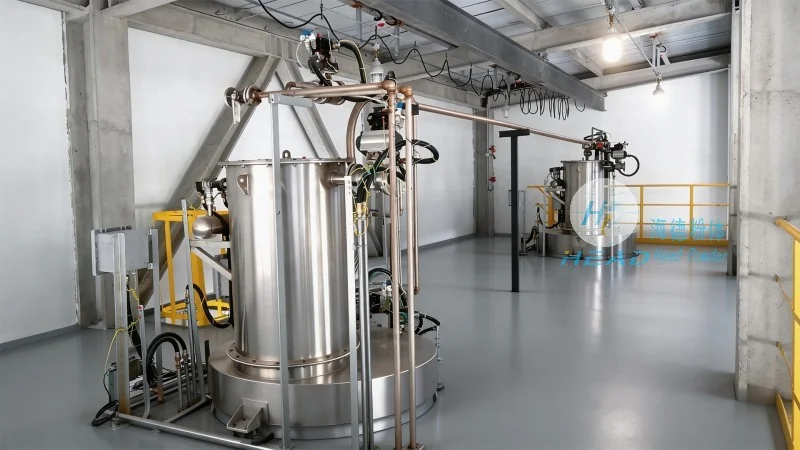
In the downstream stages, particularly during the wafer cutting and sorting processes, pneumatic conveying is employed to transport finished or partially processed wafers between different production units. This working scene focuses on precision and cleanliness, as the wafers are highly sensitive to contamination. The system must be equipped with advanced filtration and separation mechanisms to ensure that only clean air is used for conveying, preventing any particles from adhering to the wafer surfaces. The working environment in this stage is often more controlled, with temperature and humidity maintained within specific ranges to preserve the quality of the silicon wafers. Additionally, the conveying speed and direction must be carefully managed to avoid damage to the delicate wafers during transport.
Advantages and Challenges in Monocrystalline Silicon Pneumatic Conveying
Despite its benefits, monocrystalline silicon pneumatic conveying also presents certain challenges that must be addressed to ensure optimal performance. One of the primary challenges is the potential for material degradation or contamination during transport. The high velocity of the gas stream can cause abrasion or particle breakage, which may affect the surface quality of the silicon wafers. To mitigate this, the conveying system is often equipped with soft materials or protective coatings on the pipeline interior. Another challenge is the need for efficient separation and filtration to prevent material buildup in the system. Regular maintenance and cleaning of the separation units are essential to maintain the system's efficiency and prevent clogging.
However, the advantages of pneumatic conveying in monocrystalline silicon applications outweigh these challenges. The technology offers significant benefits in terms of cleanliness, as it eliminates the need for mechanical contact between the material and the conveying equipment. This reduces the risk of contamination and ensures that the silicon wafers remain free from dust or debris. Additionally, pneumatic conveying systems can be designed to operate in a closed loop, minimizing the environmental impact by reducing dust emissions and improving energy efficiency. The flexibility of the system allows for easy integration into existing production lines, adapting to changes in production volume or material type without major modifications.
Application in Modern Silicon Manufacturing
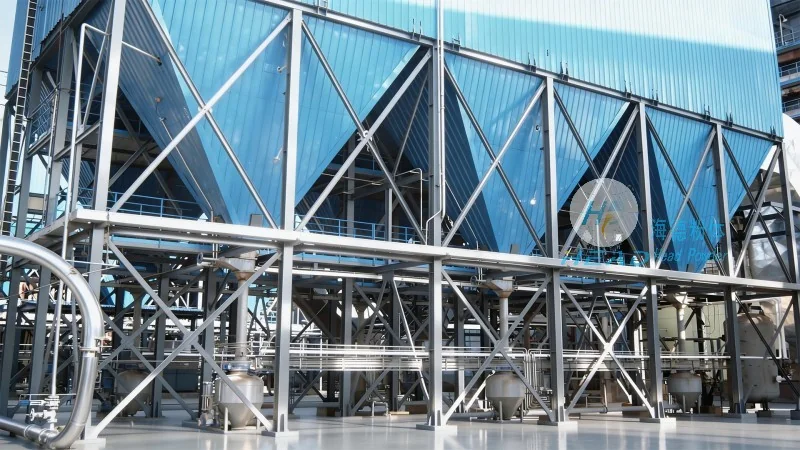
As the demand for monocrystalline silicon continues to grow, the importance of efficient material handling solutions like pneumatic conveying becomes increasingly critical. Companies like Shandong HeadPowder Engineering Co., Ltd., based in China, specialize in providing customized pneumatic conveying systems tailored to the specific needs of silicon manufacturers. Their expertise in designing and implementing these systems ensures that production lines operate smoothly, with minimal downtime and maximum efficiency. The working scenes of these systems are designed to meet the stringent requirements of modern silicon production, from raw material handling to wafer processing, providing a reliable and effective solution for the industry.
In conclusion, monocrystalline silicon pneumatic conveying is a vital technology in the photovoltaic industry, enabling efficient and clean material transport throughout the production process. By understanding the principles and characteristics of this technology, manufacturers can optimize their operations, improve product quality, and enhance overall productivity. The working scenes of these systems, ranging from raw material handling to wafer processing, are tailored to meet the specific demands of each stage, ensuring that monocrystalline silicon is handled with the precision and care required for modern solar energy applications.