

The Working Principle and Features of Steel and Lime Material Pneumatic Conveying Systems
For industrial applications involving the handling of steel and lime materials, efficient and reliable material transport is crucial. Pneumatic conveying systems have emerged as a preferred solution due to their ability to handle bulk materials with minimal human intervention. This article explores the working principle and key features of a specialized pneumatic conveying line designed for steel and lime materials, highlighting how such systems enhance operational efficiency and safety in industrial settings.
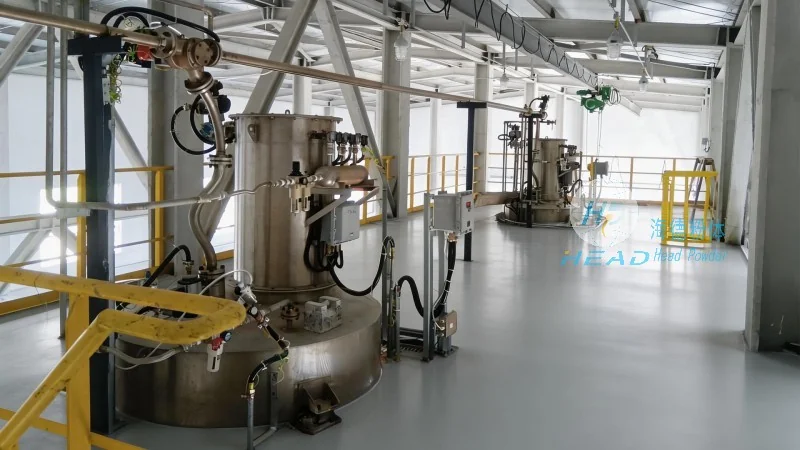
Introduction to Pneumatic Conveying Systems for Steel and Lime Materials
Pneumatic conveying systems utilize air or gas to transport bulk materials from one location to another. These systems are particularly advantageous for materials like steel and lime, which may be abrasive or have specific handling requirements. The design of a pneumatic conveying line for steel and lime materials is tailored to address the unique characteristics of these substances, ensuring optimal performance and longevity of the equipment.
Working Principle of Pneumatic Conveying Systems
The core working principle of a pneumatic conveying system involves the creation of a pressure differential to move material through a pipeline. There are two primary modes of operation: suction (or vacuum) and pressure (or positive) conveying. In suction conveying, a vacuum is created at the material inlet to draw the material into the pipeline along with the air stream. This method is suitable for short to medium distances and for materials that are not too heavy or abrasive. For longer distances or higher material loads, pressure conveying is employed, where compressed air is used to push the material through the pipeline.
For steel and lime materials, the system typically incorporates a combination of these modes or a dedicated design that optimizes the flow dynamics. The steel particles, often in the form of scrap or pellets, and the lime, which may be in powder or granular form, are introduced into the conveying line at the inlet. The air flow, controlled by a blower or compressor, propels the material through the pipeline, with the system's components—such as cyclones, filters, and silos—working in tandem to separate the material from the air and store it at the destination.
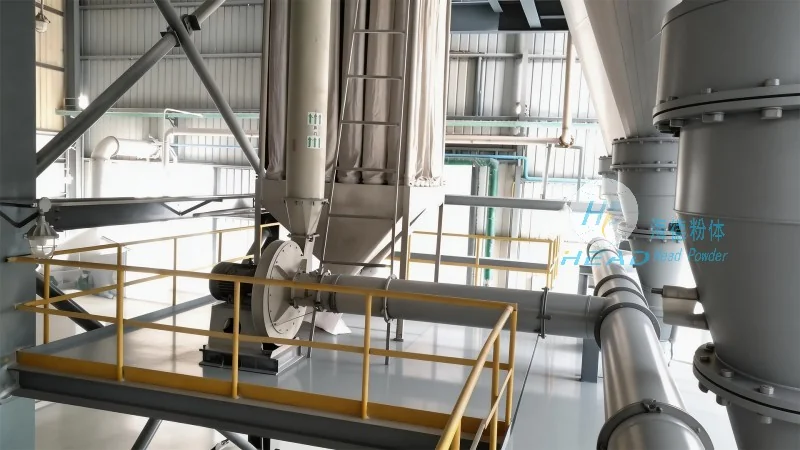
Key Features of the Pneumatic Conveying System
The pneumatic conveying line for steel and lime materials offers several distinct advantages that make it a preferred choice in industrial applications. Firstly, it provides a continuous and automated material transport process, reducing the need for manual handling and minimizing the risk of material spillage or contamination. The system's design allows for the handling of both dry and slightly moist materials, adapting to the varying properties of steel and lime.
Secondly, the system is highly efficient in terms of energy consumption and operational costs. By using air as the conveying medium, it eliminates the need for mechanical components like belts or buckets, which can be prone to wear and tear. This results in lower maintenance requirements and longer service life for the equipment. Additionally, the system is capable of handling abrasive materials like steel without significant wear on the pipeline or components, thanks to the use of high-quality materials and protective coatings.
Thirdly, the pneumatic conveying system is environmentally friendly. It operates with minimal dust emissions compared to traditional methods like bucket elevators or belt conveyors, as the material is contained within the pipeline during transport. This reduces the risk of dust pollution and improves workplace safety. The system also allows for the integration of dust collection and filtration systems, ensuring compliance with environmental regulations.

Customization and Application
Shandong HeadPowder Engineering Co., Ltd., a leading provider of material handling solutions, specializes in designing and manufacturing pneumatic conveying systems tailored to the specific needs of industrial clients. The company's expertise lies in understanding the unique challenges of handling steel and lime materials, and their engineers work closely with clients to develop customized solutions that meet operational requirements, space constraints, and budget considerations.
The company's pneumatic conveying lines are built with high-quality components, including durable pipelines, efficient blowers, and advanced control systems. These systems are designed for reliability and longevity, ensuring consistent performance over extended periods. With a focus on innovation and customer satisfaction, Shandong HeadPowder Engineering Co., Ltd. provides comprehensive support, from system design and installation to maintenance and after-sales service.
Located in Shandong, China, the company leverages its local presence to offer timely and effective support to clients across the region. By combining advanced technology with practical engineering solutions, Shandong HeadPowder Engineering Co., Ltd. ensures that its pneumatic conveying systems for steel and lime materials deliver optimal results, enhancing productivity and safety in industrial operations.