

Working Principle and Features of a Coking Coal Pellet Pneumatic Conveying System
For industrial applications involving the transportation of coking coal pellets, pneumatic conveying systems offer an efficient and reliable solution. These systems are designed to handle the unique characteristics of coking coal pellets, ensuring smooth and continuous material movement from source to destination. The following sections will explore the working principle and key features of such a system, providing insights into its functionality and advantages.
Working Principle of the Pneumatic Conveying Line
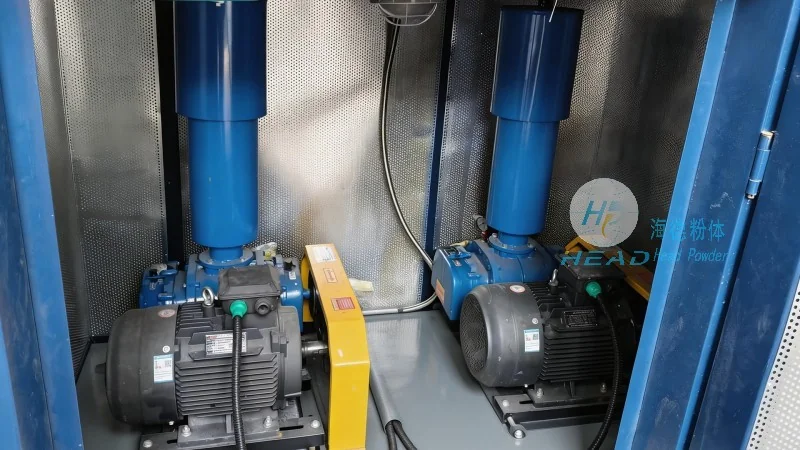
The core of a coking coal pellet pneumatic conveying line is the air flow mechanism that propels the material through a network of pipes. The process typically begins with the material being fed into a hopper or feeder, where it is then introduced into the conveying line. Compressed air, generated by a blower or fan, is introduced into the system, creating a pressure differential that draws the coal pellets into the pipeline. As the air flows, it carries the pellets along, maintaining a consistent velocity to prevent material settling or blockages. The system may include various components such as cyclones, filters, and control valves to regulate the flow and ensure optimal performance. The working principle relies on the interaction between the air and the solid particles, utilizing the drag force exerted by the air to move the material efficiently. This method eliminates the need for mechanical components like belts or buckets, reducing maintenance requirements and increasing operational reliability.
Key Features of the Coking Coal Pellet Pneumatic Conveying System
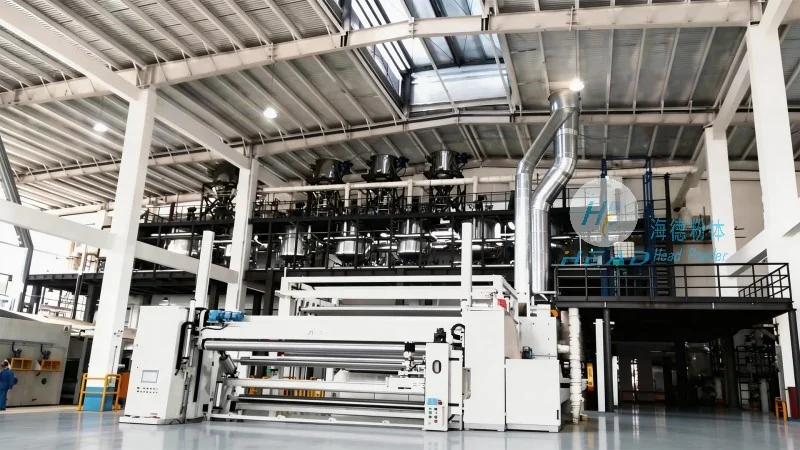
Several distinct features make the coking coal pellet pneumatic conveying system an attractive option for industrial operations. Firstly, the system provides a dust-free and enclosed environment, which is crucial for maintaining air quality and preventing contamination of the material. This is particularly important for coking coal pellets, as they can generate fine dust that may affect downstream processes. Secondly, the system offers high flexibility in terms of layout and integration with existing facilities. The pipeline can be configured in various configurations, including vertical, horizontal, or a combination of both, to accommodate different plant layouts. Additionally, the system is capable of handling varying material flow rates, allowing for adjustments based on production demands. Another notable feature is the low maintenance requirement, as the absence of moving parts reduces the likelihood of wear and tear. This leads to lower operational costs and increased uptime. Furthermore, the system is designed to be energy-efficient, with optimized air flow and pressure control minimizing energy consumption. The integration of advanced control systems enables precise monitoring and adjustment of the conveying process, ensuring consistent performance and product quality.
Applications and Benefits in Industrial Settings
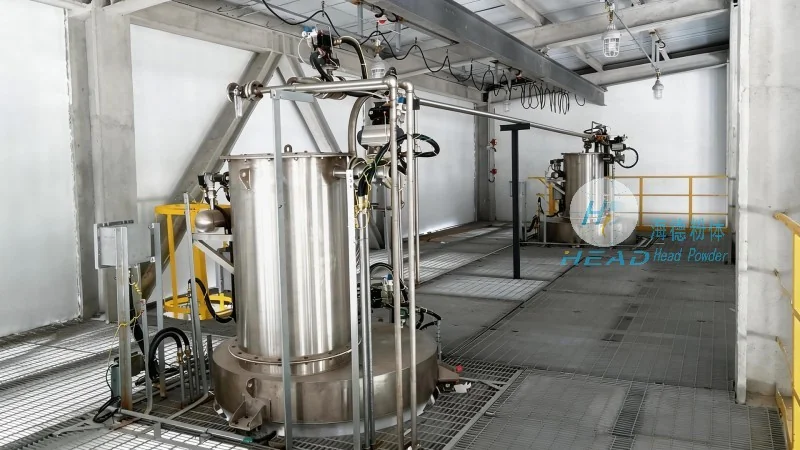
The coking coal pellet pneumatic conveying system finds widespread application in various industrial sectors, including steel production, power generation, and chemical processing. In steel mills, for example, the system is used to transport coking coal pellets from storage silos to the coking ovens, ensuring a continuous supply of raw material. The benefits of this system in such applications include improved safety, as the enclosed system prevents dust exposure and reduces the risk of fire hazards. Additionally, the system enhances operational efficiency by reducing downtime and increasing throughput. In power plants, the system is utilized to transport coal pellets to the boiler feed system, contributing to the efficient generation of electricity. The ability to handle large volumes of material with minimal labor makes it a cost-effective solution for power generation facilities. The chemical industry also benefits from the system's ability to handle abrasive materials without causing wear on the equipment. Overall, the coking coal pellet pneumatic conveying system provides a reliable and efficient means of material transportation, contributing to improved productivity and reduced operational costs in industrial settings.
Conclusion and Company Overview
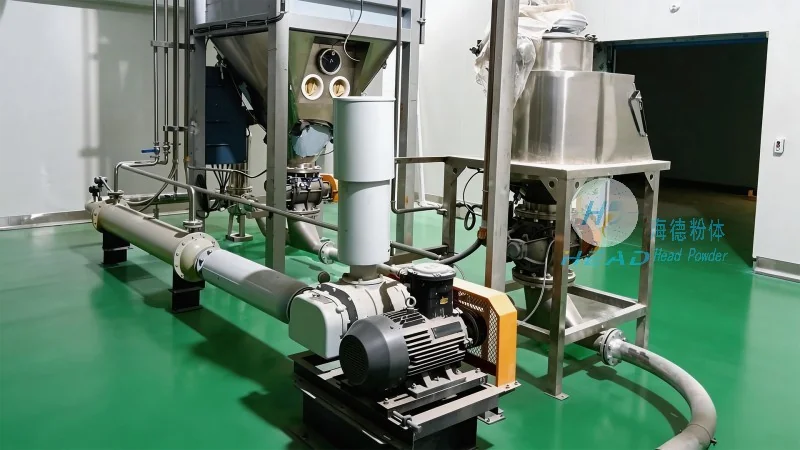
In conclusion, the coking coal pellet pneumatic conveying system is a sophisticated and efficient solution for transporting coking coal pellets in industrial applications. Its working principle, based on air flow and pressure differential, ensures reliable material movement while offering several key features that enhance performance and safety. The system's flexibility, low maintenance, and energy efficiency make it a preferred choice for various industries. As a leading provider in this field, Shandong HeadPowder Engineering Co., Ltd. specializes in designing and manufacturing such systems, leveraging years of experience to deliver high-quality solutions tailored to specific industrial needs. With a commitment to innovation and customer satisfaction, the company continues to provide reliable pneumatic conveying systems that meet the evolving demands of the industry.