

Working Principle and Features of Iron Oxide Material Conveying Lines
Iron oxide material conveying lines are critical components in industrial processing, particularly for handling iron oxide powders and related materials. These systems are designed to efficiently transport iron oxide, a key raw material in various industries such as pigments, coatings, and ceramics. The proper functioning of these conveying lines ensures consistent material flow, minimal loss, and adherence to safety standards. This article explores the working principle and key features of iron oxide material conveying lines, providing insights into their design, operation, and benefits.
Working Principle of Iron Oxide Material Conveying Lines
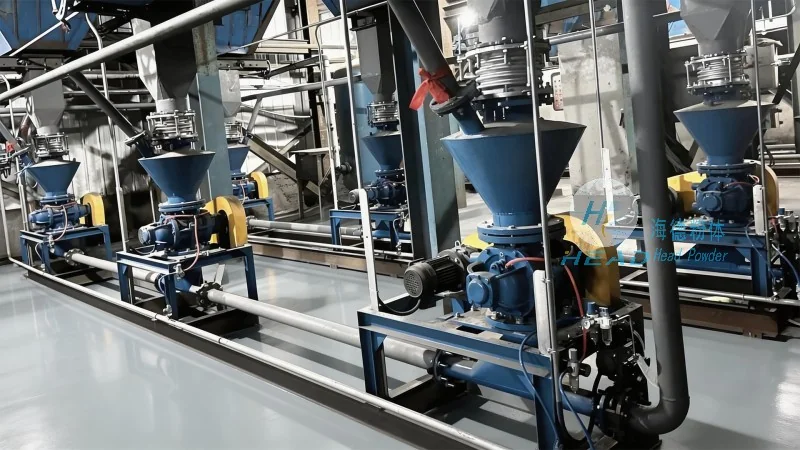
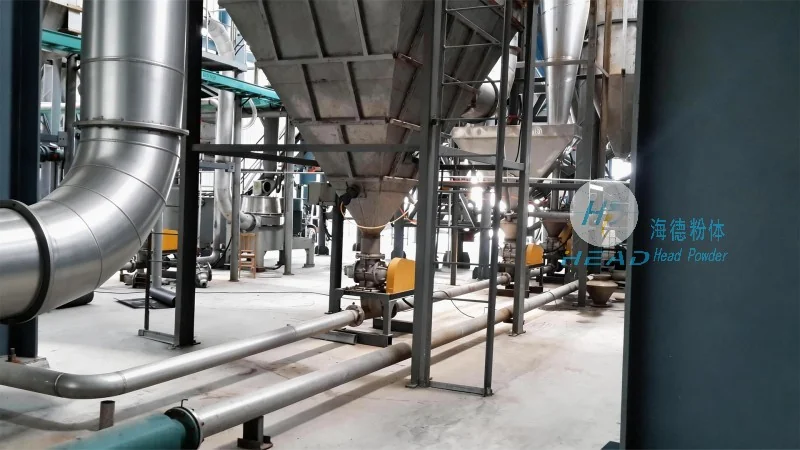
The core working principle of iron oxide material conveying lines revolves around the use of mechanical and pneumatic systems to move iron oxide particles from one location to another. Typically, these systems employ screw conveyors, pneumatic conveyors, or a combination of both, depending on the material characteristics and process requirements. Screw conveyors utilize rotating screws to push material forward, while pneumatic conveyors use air pressure to transport particles through pipelines. The selection of the appropriate conveying method depends on factors like material density, moisture content, and the distance to be covered. For iron oxide, which is often fine and dusty, pneumatic conveyors are commonly preferred due to their ability to handle fine powders without clogging. The system typically includes a hopper for material storage, a conveyor mechanism, and a discharge point. The hopper ensures a steady supply of iron oxide, while the conveyor transports it to the next stage of processing. The discharge point may be connected to a mixer, dryer, or other processing equipment, facilitating seamless integration into the production line. The working principle also emphasizes the importance of maintaining consistent air pressure and flow rates to prevent material degradation or blockages. Proper maintenance of the conveying components, such as cleaning filters and checking for wear, is essential to ensure reliable operation.
Key Features of Iron Oxide Material Conveying Lines
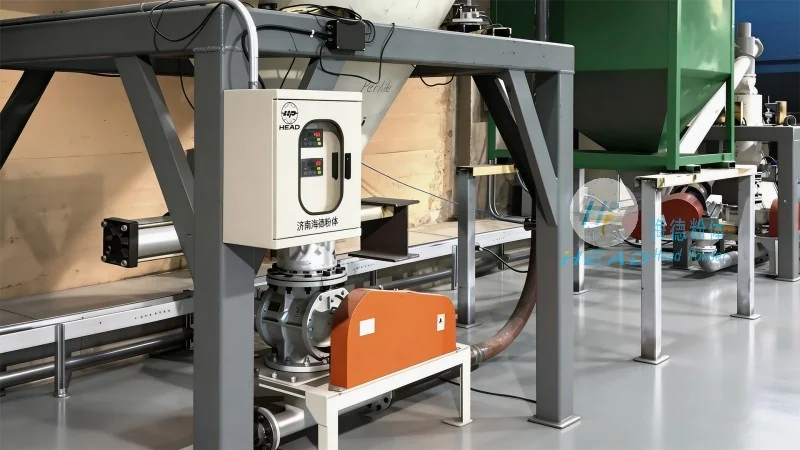
Iron oxide material conveying lines are characterized by several key features that enhance their performance and efficiency. One of the primary features is their ability to handle fine and abrasive materials, which is crucial for iron oxide, as it often contains particles that can wear down equipment. The conveying systems are designed with durable materials, such as stainless steel or high-grade plastics, to withstand the abrasive nature of iron oxide and prevent corrosion. Another important feature is the system's adaptability to different processing requirements. Modern iron oxide conveying lines can be customized to handle varying material volumes and flow rates, making them suitable for both small-scale and large-scale production. The use of variable speed drives allows for precise control over the material flow, ensuring that the processing equipment receives the correct amount of iron oxide at all times. Additionally, these systems often incorporate safety features, such as dust collection and explosion-proof designs, to protect operators and the environment. The integration of sensors and monitoring systems provides real-time data on the conveying process, enabling operators to detect and address issues promptly. This proactive approach enhances overall system reliability and reduces downtime. The features also include energy efficiency, with some systems utilizing low-pressure pneumatic conveyors that consume less energy compared to traditional methods. This not only reduces operational costs but also aligns with sustainability goals in industrial processing.
Company Overview: Shandong HeadPowder Engineering Co., Ltd.
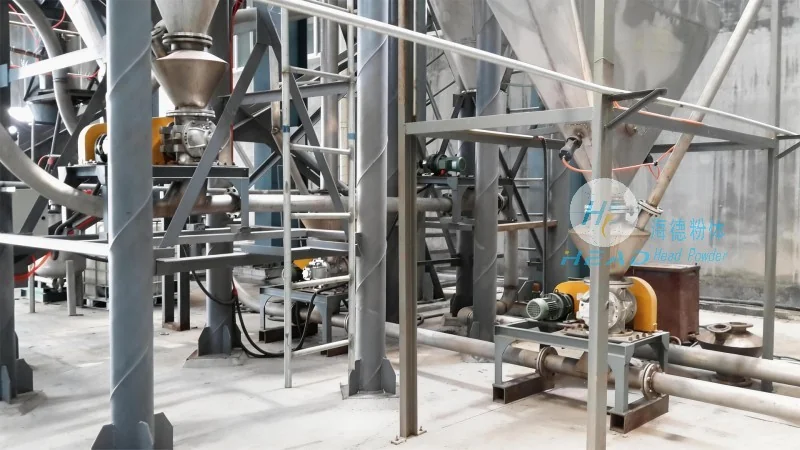
Shandong HeadPowder Engineering Co., Ltd., commonly known as HeadPowder, is a leading manufacturer of industrial conveying systems, including iron oxide material conveying lines. With a strong focus on innovation and quality, HeadPowder has established itself as a trusted partner in the processing industry. The company is headquartered in Shandong, China, and has a dedicated team of engineers and technicians who specialize in designing and manufacturing customized conveying solutions. HeadPowder's expertise lies in understanding the unique challenges of handling iron oxide and other fine materials, allowing them to develop systems that meet the specific needs of their clients. The company adheres to strict quality control standards, ensuring that each conveying line is tested and validated before delivery. This commitment to quality has earned HeadPowder a reputation for reliability and durability in the market. The company also provides comprehensive after-sales support, including maintenance services and technical assistance, to ensure that clients can maximize the lifespan and performance of their conveying systems. HeadPowder's dedication to customer satisfaction and technical excellence has made it a preferred choice for businesses in the pigments, coatings, and ceramics sectors.