

Working Principle and Features of Lithium Carbonate Material Conveying Lines
Lithium carbonate is a critical raw material in the production of lithium-ion batteries, and efficient material handling is essential for maintaining production efficiency and product quality. The lithium carbonate material conveying line, as a specialized system designed for the transport of lithium carbonate powder, plays a vital role in the industrial production process. This article will explore the working principle and key features of such conveying lines, providing a comprehensive understanding of their functionality and benefits.
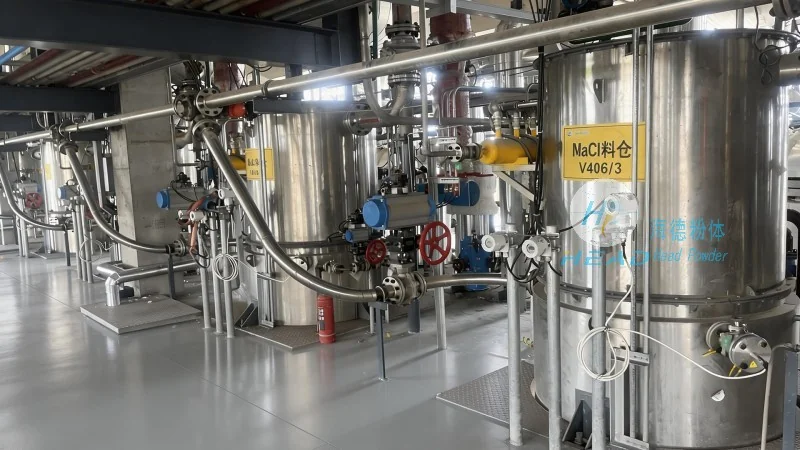
Working Principle of Lithium Carbonate Material Conveying Lines
The lithium carbonate material conveying line typically operates based on a combination of mechanical and pneumatic principles, ensuring reliable and continuous material transport. The system generally consists of several core components, including feeders, conveyors, and control systems. The process begins with the feeding of lithium carbonate powder into the system, where it is then transferred through a series of conveyor mechanisms. Pneumatic conveying systems, for instance, use compressed air to move the powder through pipelines, while mechanical conveyors such as screw conveyors or belt conveyors provide alternative transport methods. The control system monitors the flow rate, pressure, and other parameters to ensure optimal operation and prevent blockages or overloading. This integrated approach allows for a smooth and efficient transfer of lithium carbonate from the storage area to the processing units, minimizing material loss and downtime.
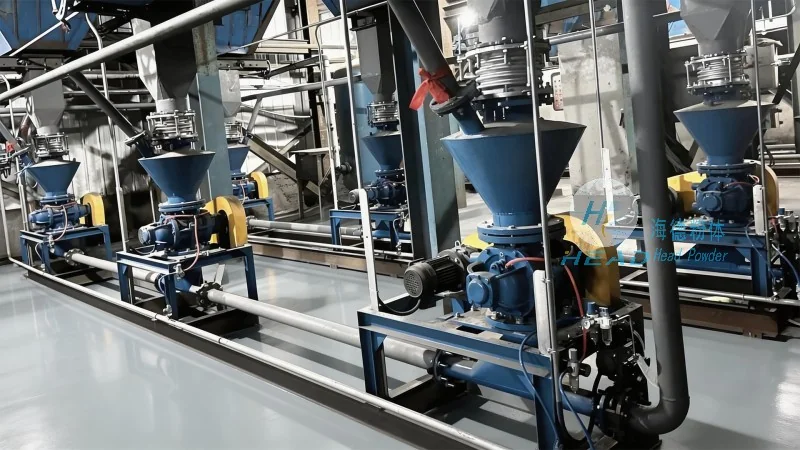
Key Features of Lithium Carbonate Material Conveying Lines
Several notable features distinguish lithium carbonate material conveying lines, making them suitable for industrial applications. Firstly, these systems are designed for high efficiency, capable of handling large volumes of material with minimal energy consumption. The use of advanced materials and engineering ensures durability and resistance to corrosion, which is crucial when dealing with lithium carbonate, a material that can be abrasive or reactive under certain conditions. Secondly, the conveying lines are equipped with safety features, such as dust collection systems and explosion-proof designs, to mitigate risks associated with powder handling. This is particularly important in environments where dust accumulation could lead to fire hazards. Thirdly, the systems offer flexibility in terms of layout and integration, allowing them to be customized to fit specific production facilities and operational requirements. Additionally, modern conveying lines often incorporate automation and monitoring technologies, enabling real-time data collection and process optimization. These features collectively contribute to improved productivity, reduced operational costs, and enhanced safety in lithium carbonate processing plants.

Company Information: Shandong HeadPowder Engineering Co., Ltd.
As a leading provider of industrial material handling solutions, Shandong HeadPowder Engineering Co., Ltd. specializes in designing and manufacturing lithium carbonate material conveying lines tailored to the needs of the battery and chemical industries. With a focus on innovation and quality, the company has established itself as a trusted partner for businesses seeking reliable and efficient material transport systems. HeadPowder's expertise in engineering and manufacturing ensures that their conveying lines are built to withstand the demands of industrial environments, providing long-term performance and durability. The company's commitment to customer satisfaction and technical excellence has earned it a reputation for delivering high-quality products that meet or exceed industry standards. Based in Shandong, China, HeadPowder leverages its local resources and technical capabilities to serve clients both domestically and internationally, offering comprehensive support from design and installation to maintenance and after-sales service.