

Working Principle and Features of Ternary Lithium Material Conveying Line
For professionals in the battery manufacturing industry, understanding the core components and operational mechanisms of material conveying systems is crucial for optimizing production efficiency and ensuring product quality. The ternary lithium material conveying line, a specialized equipment used in the production of lithium-ion batteries, plays a vital role in the material handling process. This article will delve into the working principle and key features of this system, providing a comprehensive overview for industry stakeholders.
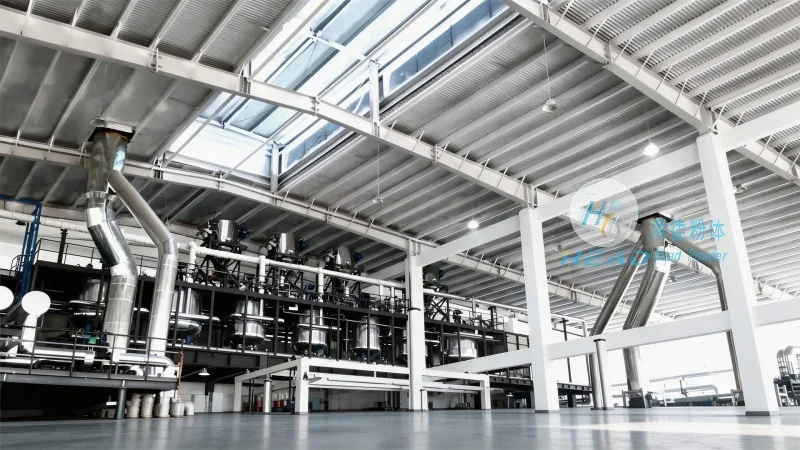
Introduction to Ternary Lithium Material Conveying Line
The ternary lithium material conveying line is an integrated system designed to transport raw materials, such as lithium cobalt oxide (NCA), lithium nickel manganese cobalt oxide (NMC), and other ternary lithium compounds, through various processing stages in battery production. It typically includes components like feeders, conveyors, hoppers, and control systems, all working in tandem to ensure a smooth and efficient material flow. The system is engineered to meet the stringent requirements of modern battery manufacturing, where precision and reliability are paramount.
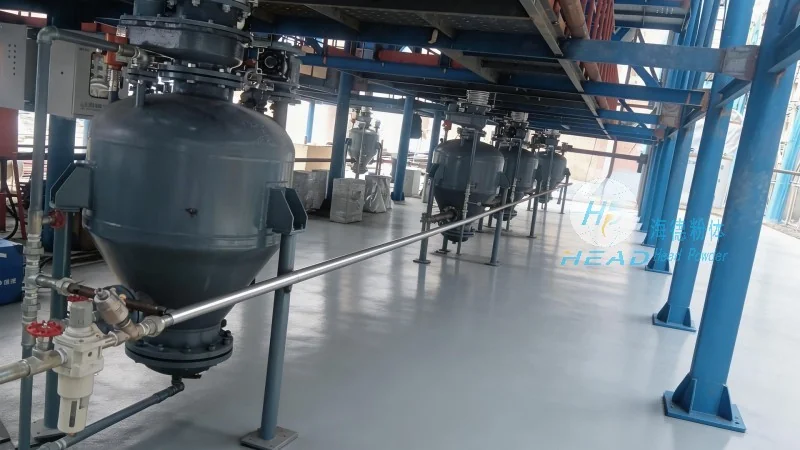
Working Principle of Ternary Lithium Material Conveying Line
The operation of the ternary lithium material conveying line follows a systematic sequence of steps, each designed to handle the material from intake to processing. The process begins with material feeding, where raw materials are loaded into the system through hoppers or bulk containers. A feeder mechanism then regulates the flow of material into the primary conveyor, which may be a belt conveyor, screw conveyor, or pneumatic conveyor, depending on the specific application and material characteristics. The conveyor transports the material to subsequent processing units, such as mixers, classifiers, or storage silos. Throughout this process, the system is equipped with sensors and control panels to monitor parameters like flow rate, temperature, and material level, ensuring that the operation remains within optimal ranges. The final stage involves material discharge into the next production step or storage, completing the cycle.
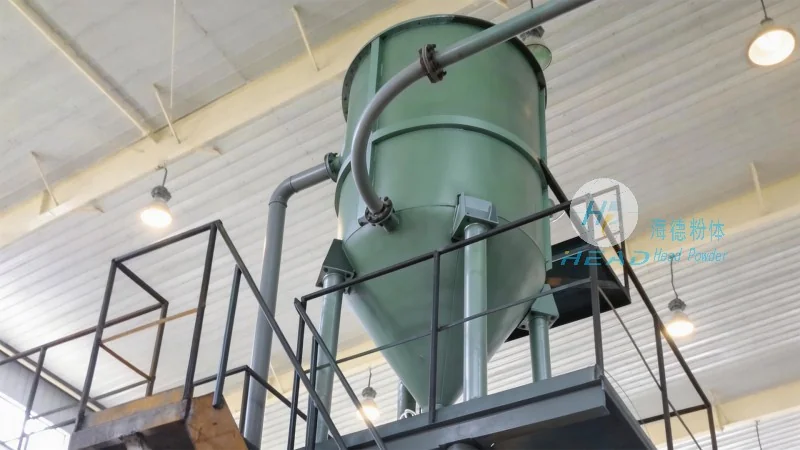
Key Features of Ternary Lithium Material Conveying Line
The ternary lithium material conveying line is characterized by several key features that enhance its performance and adaptability in battery manufacturing. Firstly, it offers high precision in material handling, which is critical for maintaining the purity and consistency of ternary lithium compounds. The system is designed to minimize material loss and contamination, ensuring that the final product meets the required specifications. Secondly, it provides flexibility in operation, allowing for adjustments in conveyor speed, feed rate, and material type to accommodate different production needs. This adaptability is essential in dynamic manufacturing environments where product specifications may change frequently. Thirdly, the system incorporates advanced control technology, including automated monitoring and feedback mechanisms, which enable real-time adjustments and reduce the risk of operational errors. Additionally, the equipment is built with materials that are resistant to corrosion and chemical exposure, ensuring durability and longevity in harsh industrial environments. The integration of safety features, such as emergency stop buttons and overload protection, further enhances the reliability and safety of the system.
Application and Importance in Battery Manufacturing
In the context of battery production, the ternary lithium material conveying line is indispensable for maintaining the efficiency and quality of the overall manufacturing process. By ensuring a continuous and controlled flow of raw materials, the system supports the consistent production of high-performance lithium-ion batteries. The precision and reliability of the conveying line directly impact the quality of the final battery products, which are used in various applications, including electric vehicles, portable electronics, and renewable energy storage systems. The system's ability to handle sensitive materials like ternary lithium compounds with care is crucial for preventing degradation and ensuring the longevity of the batteries. Furthermore, the integration of the conveying line with other production equipment, such as mixing and coating machines, creates a seamless production line that minimizes downtime and maximizes throughput. This efficiency is particularly important in high-volume manufacturing settings where productivity is a key competitive advantage.
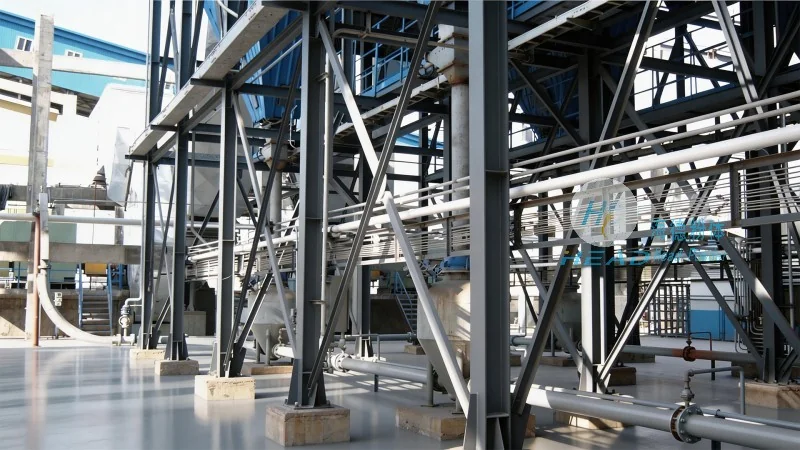
Conclusion
In summary, the ternary lithium material conveying line is a sophisticated and essential component of modern battery manufacturing. Its working principle, which involves precise material handling and controlled processing, combined with its key features like high precision, flexibility, and advanced control systems, makes it a critical asset for battery manufacturers. The system's role in ensuring the smooth flow of raw materials and maintaining product quality underscores its importance in the production of high-performance lithium-ion batteries. As the demand for lithium-ion batteries continues to grow, the efficiency and reliability of material conveying systems like this will remain a key factor in the success of battery manufacturing operations.