

Working Principle and Features of Polyurethane Material Conveying Lines
Shandong HeadPowder Engineering Co., Ltd., based in Shandong, China, specializes in the design, manufacturing, and application of advanced material handling systems. Among their portfolio, the polyurethane material conveying line stands out as a versatile and efficient solution for transporting various materials in industrial settings. This article delves into the working principle and key features of such lines, providing a comprehensive understanding of their functionality and benefits.
Working Principle of Polyurethane Material Conveying Lines
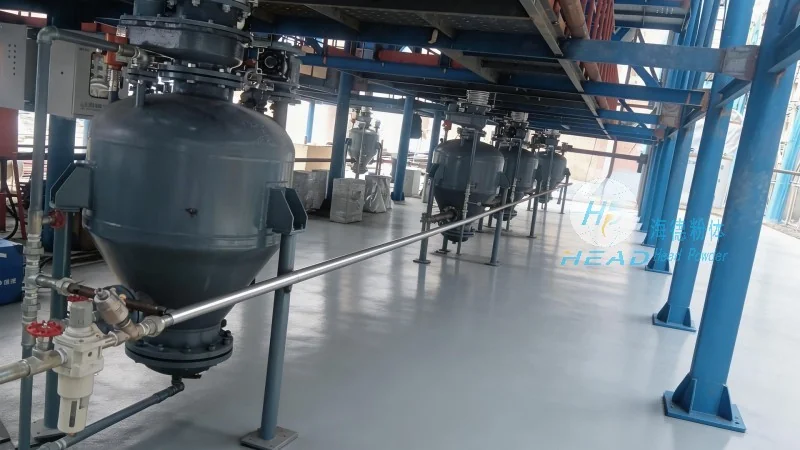
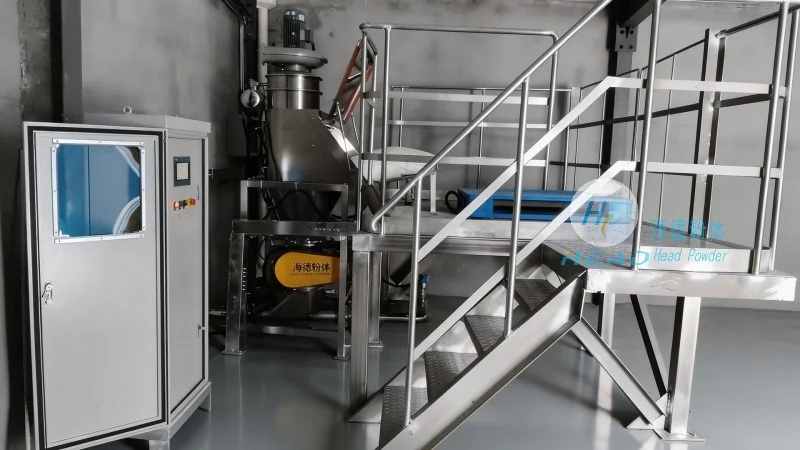
The core of a polyurethane material conveying line lies in its innovative design, which integrates polyurethane components to achieve seamless material transport. The system typically consists of several key elements, including a drive unit, conveyor belts or rollers, and a series of feeding and discharge mechanisms. The drive unit, often powered by electric motors, provides the necessary force to move the material along the conveyor path. Polyurethane conveyor belts, known for their excellent abrasion resistance and flexibility, are used to carry the material from the input point to the output point. The feeding mechanism, such as a hopper or a feeding hopper, ensures that the material is evenly distributed onto the conveyor belt, while the discharge mechanism, like a chute or a discharge hopper, collects the material at the end of the line. The entire process is controlled by a programmable logic controller (PLC) or a similar control system, which regulates the speed, direction, and timing of the conveyor operations. This automated control ensures consistent and reliable material transport, minimizing downtime and maximizing productivity.
Key Features of Polyurethane Material Conveying Lines
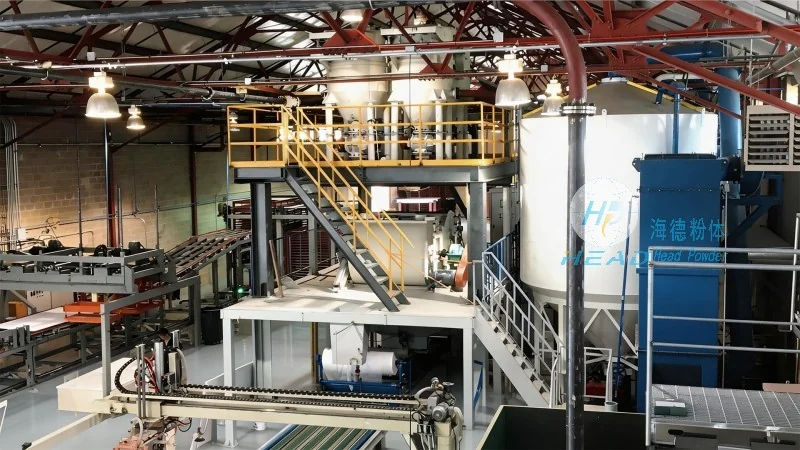
Polyurethane material conveying lines offer several distinct advantages that make them ideal for a wide range of industrial applications. Firstly, their durability and resistance to wear and tear make them suitable for handling abrasive materials, such as powders, granules, and small particles. The polyurethane material is chemically inert and can withstand exposure to various chemicals, reducing the risk of material degradation or equipment damage. Secondly, the flexibility of the conveyor belts allows for smooth handling of irregularly shaped materials, preventing blockages and ensuring continuous operation. The low friction coefficient of polyurethane reduces energy consumption, making the system more cost-effective and environmentally friendly. Additionally, the modular design of these lines enables easy customization and integration with existing production lines, allowing for seamless expansion or modification as production needs change. The hygienic design of the components, with smooth surfaces and minimal crevices, makes them suitable for food processing and pharmaceutical industries, where cleanliness and compliance with regulatory standards are paramount. Finally, the noise reduction features, such as the use of soft materials and vibration dampening, contribute to a safer and more comfortable working environment.
Applications and Benefits in Industrial Settings
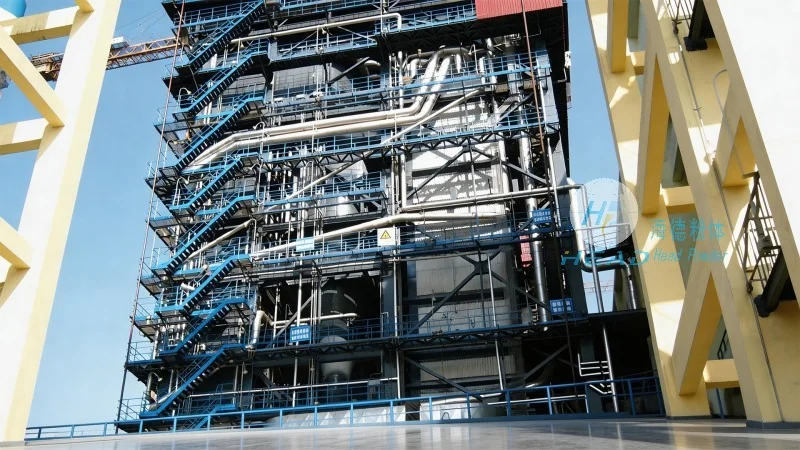
Polyurethane material conveying lines are widely used in various industries, including chemical, food processing, pharmaceuticals, and manufacturing. In the chemical industry, they are used to transport powders and granules, such as fertilizers, pigments, and additives, ensuring efficient and safe handling. In food processing, the hygienic design and chemical resistance of the polyurethane material make it suitable for transporting ingredients like flour, sugar, and spices, maintaining product quality and safety. The pharmaceutical industry benefits from the precision and cleanliness of these lines, which are essential for handling active pharmaceutical ingredients (APIs) and other sensitive materials. Manufacturing industries, such as automotive and electronics, use polyurethane conveying lines to transport small parts, components, and raw materials, improving production efficiency and reducing manual labor. The benefits of these lines extend beyond material transport, as they contribute to overall operational efficiency, reduced maintenance costs, and enhanced workplace safety. By integrating these systems into production lines, companies can achieve higher throughput, lower energy consumption, and improved product quality, ultimately leading to increased profitability and competitiveness.