

Working Principle and Features of ABS Granule Pneumatic Conveying System
HeadPowder, a leading manufacturer based in Shandong, China, specializes in the design and production of advanced pneumatic conveying systems. The ABS granule pneumatic conveying system is a key product in their portfolio, engineered to efficiently transport various granular materials. This system operates on the principle of air flow, utilizing pressure or vacuum to move materials through a pipeline network. The working mechanism involves several critical components that work in tandem to ensure smooth and reliable material transfer.
Working Principle of the ABS Granule Pneumatic Conveying System
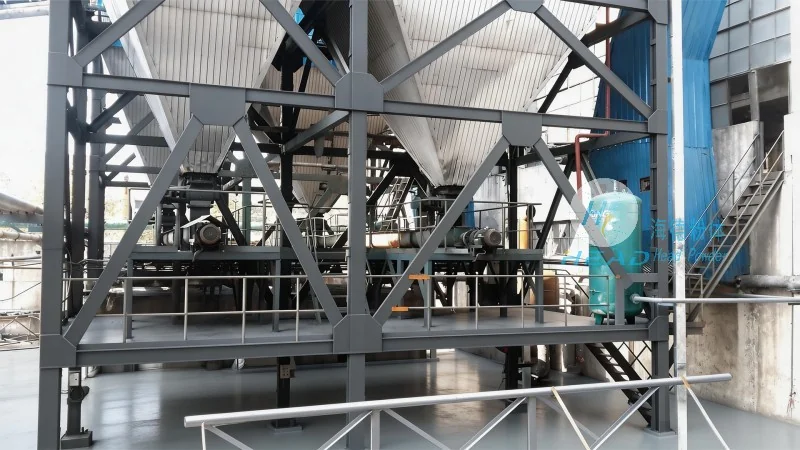
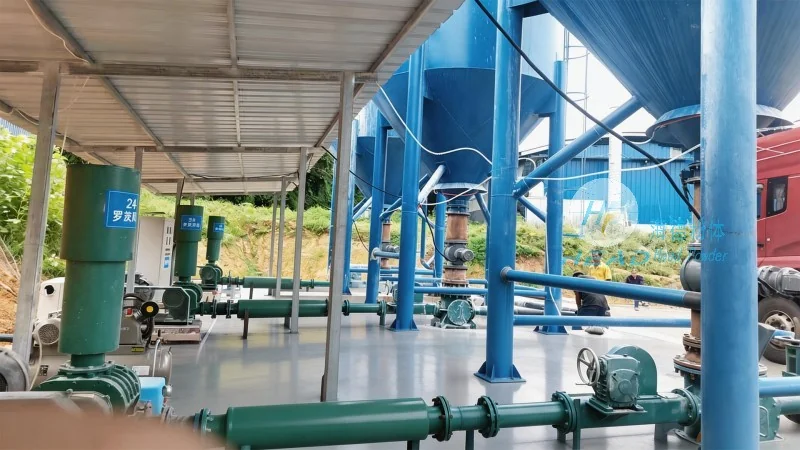
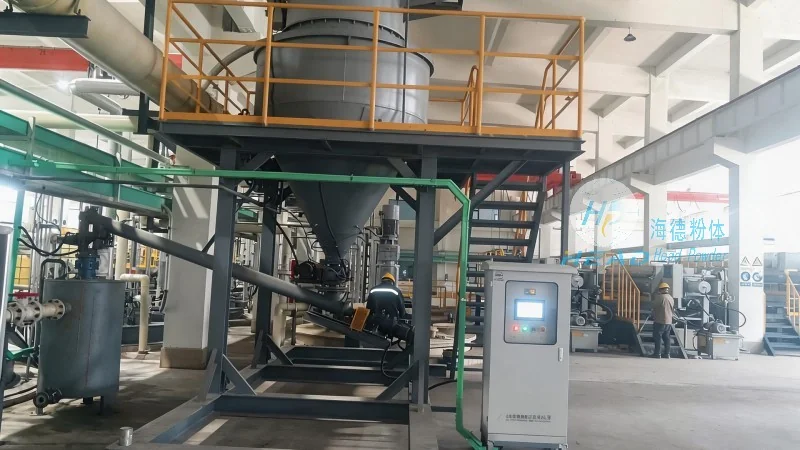
The ABS granule pneumatic conveying system operates by creating a pressure differential or vacuum within the conveying line. This differential causes the air to flow, carrying the granular materials along with it. The system typically consists of a hopper for material storage, a feeder to control the flow rate, a compressor or vacuum pump to generate the necessary air pressure, and a pipeline network that transports the material to the discharge point. The hopper ensures a consistent supply of material, while the feeder regulates the amount of material entering the pipeline, preventing overloading and maintaining stable flow. The compressor or vacuum pump provides the driving force, either by increasing the pressure in the line (positive pressure system) or reducing the pressure (negative pressure system). The pipeline network, often made of durable materials like stainless steel or plastic, is designed to withstand the pressure and abrasion from the granular materials. At the discharge end, a separator or filter may be used to separate the material from the air, ensuring that the material is delivered to the target location without contamination. In a positive pressure system, the compressor pushes air into the pipeline, creating a pressure higher than the ambient air, which forces the material to move forward. This method is ideal for long-distance transport and can handle materials with higher moisture content or larger particle sizes. In a negative pressure system, the vacuum pump pulls air out of the pipeline, creating a lower pressure than the ambient air, which draws the material into the line. This approach is commonly used for applications that require dust control or when the material is sensitive to air exposure.
Key Features of the ABS Granule Pneumatic Conveying System
One of the primary advantages of the ABS granule pneumatic conveying system is its high efficiency in material transport. Unlike traditional methods such as belt conveyors or bucket elevators, this system can handle materials over long distances with minimal energy consumption. The system is also highly flexible, allowing for changes in the layout of the conveying line without major modifications. This adaptability makes it suitable for various industrial applications, including food processing, chemical manufacturing, and pharmaceutical production. Another notable feature is the low maintenance requirement. The components are designed to be durable and resistant to wear and tear, reducing the need for frequent repairs and downtime. The system also offers excellent control over the material flow, with adjustable settings to match the specific requirements of the process. Additionally, the ABS granule pneumatic conveying system is known for its ability to handle a wide range of materials, from fine powders to coarse granules, without causing segregation or degradation. This versatility makes it a preferred choice for industries that require consistent and reliable material handling solutions. Furthermore, the system provides a closed-loop operation, which helps in maintaining hygiene and preventing contamination, especially critical in industries like food and pharmaceuticals. The closed system also reduces the risk of dust emissions, contributing to a safer working environment. The ABS granule pneumatic conveying system is engineered to deliver consistent performance, ensuring that the material is transported in a controlled manner, with minimal loss and maximum efficiency.