

Working Principle and Characteristics of Ceramic Pneumatic Conveying
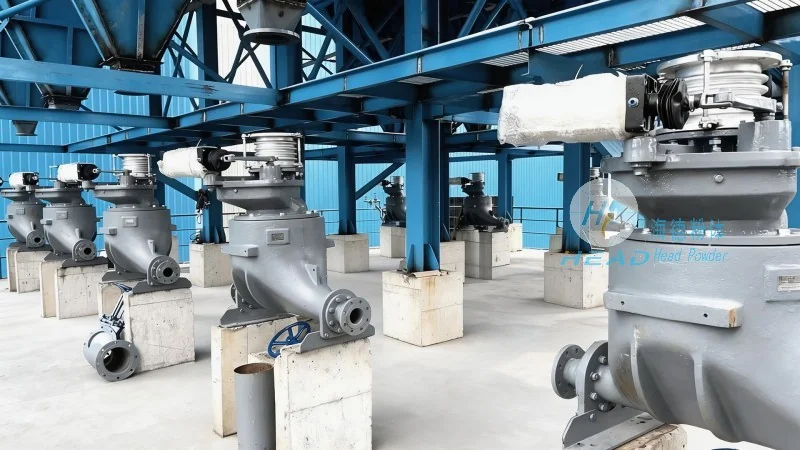
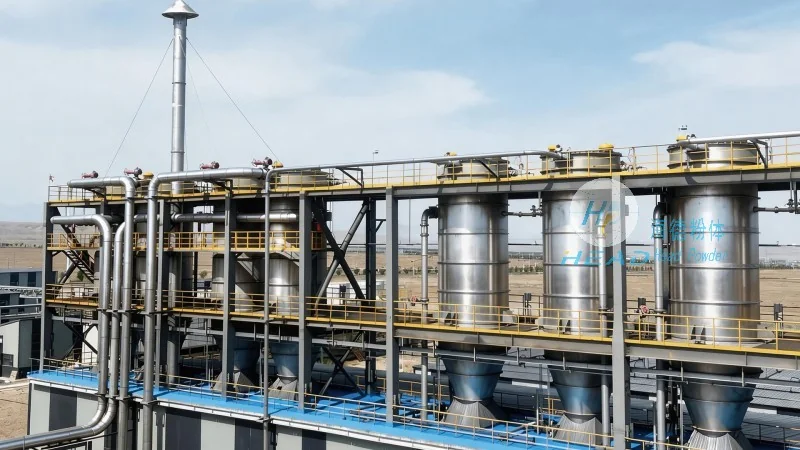
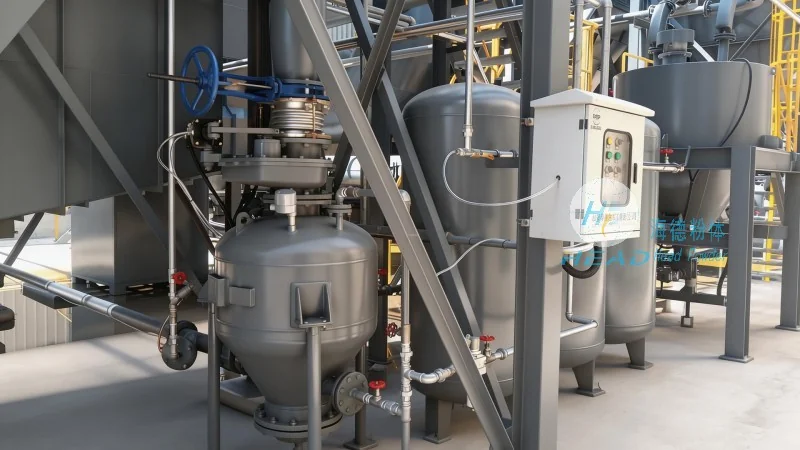
HeadPowder Engineering Co., Ltd., a leading provider of industrial material handling solutions, specializes in ceramic pneumatic conveying systems. These systems operate based on the principle of transporting bulk ceramic materials through a sealed pipeline using compressed air. The process begins with a hopper or feeder supplying the ceramic powder or granules into the system. A rotary valve or feeder then meters the material into the pipeline, where it is mixed with high-pressure air. This air, under pressure, accelerates the material, allowing it to travel through the pipeline to the discharge point. The system typically includes a filter to remove fine particles from the air, a silencer to reduce noise, and a receiver to collect the conveyed material. This mechanism ensures efficient and clean material transport, minimizing product contamination and wear on equipment. The working principle is particularly effective for fine or abrasive ceramic materials, as the pneumatic force allows for gentle handling without causing particle degradation or equipment damage.
Key Characteristics of Ceramic Pneumatic Conveying Systems
HeadPowder Engineering Co., Ltd. specializes in providing ceramic pneumatic conveying solutions that exhibit several distinct characteristics. Firstly, these systems are highly efficient in terms of material handling, capable of transporting ceramic powders and granules over long distances with minimal energy consumption. The design minimizes material degradation, ensuring that the ceramic particles remain in their original form, which is crucial for applications requiring high purity or specific particle characteristics. Secondly, the systems offer flexibility in handling various ceramic types, including refractory materials, abrasives, and fine powders, making them suitable for diverse industrial processes. Additionally, the technology provides a clean and dust-free operation, which is essential for maintaining product quality and adhering to environmental regulations. The robust construction of the conveying equipment, often made from corrosion-resistant materials, ensures durability and long-term performance, reducing maintenance needs and operational costs. Furthermore, the systems are designed for easy integration into existing production lines, with modular components that allow for scalability and customization to meet specific customer requirements.
Technical Advantages and Practical Applications
The ceramic pneumatic conveying systems developed by Shandong HeadPowder Engineering Co., Ltd. offer several technical advantages that enhance their effectiveness in industrial settings. One of the primary benefits is the ability to handle abrasive and high-density ceramic materials without significant wear on the equipment. This is achieved through the use of specialized materials for the pipeline and components, such as stainless steel or ceramic-lined parts, which resist erosion and maintain structural integrity over time. Another advantage is the system's ability to maintain consistent material flow rates, which is critical for processes that require precise dosing or continuous operation. The control systems integrated into the equipment allow for real-time monitoring and adjustment of air pressure and material feed, ensuring optimal performance and preventing blockages or inefficiencies. In terms of practical applications, these systems are widely used in the ceramic manufacturing industry for transporting raw materials like clay, feldspar, and silica, as well as finished products such as tiles and sanitaryware. They are also employed in other industries, including refractory production, where the transport of high-temperature ceramic powders is necessary. The systems contribute to improved production efficiency by reducing downtime and material loss, while also enhancing workplace safety by eliminating the need for manual handling of bulk materials. The technology supports sustainable manufacturing practices by minimizing waste and optimizing material usage, aligning with modern industrial standards.