

Working Principle and Characteristics of Pneumatic Conveying for Winery Spoilage Material
Winery spoilage material, such as grape pomace and other byproducts from the winemaking process, often requires efficient and hygienic handling methods. Pneumatic conveying systems have emerged as a reliable solution for transporting these materials, offering advantages in terms of hygiene, flexibility, and operational efficiency. This article explores the working principle and key characteristics of pneumatic conveying systems specifically designed for winery spoilage material transport, highlighting how they contribute to effective material handling in the wine industry.
Understanding Pneumatic Conveying Systems for Winery Spoilage
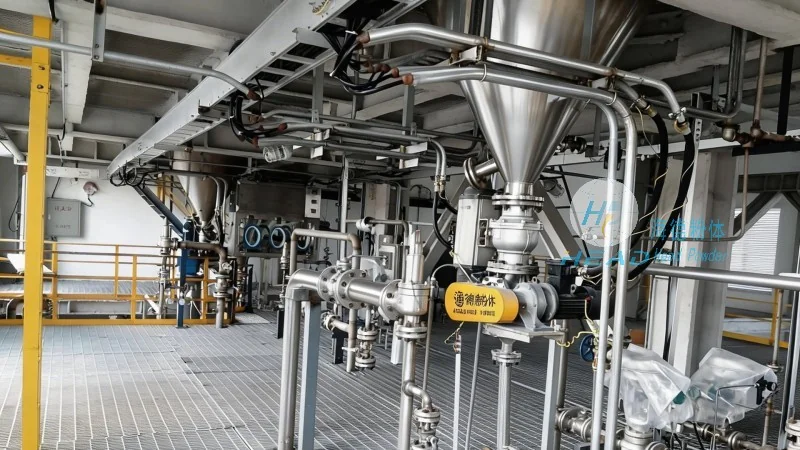
Pneumatic conveying systems utilize air or gas to transport bulk materials through a pipeline network. In the context of winery spoilage material handling, these systems are engineered to manage the unique properties of grape pomace and other solid waste generated during wine production. The core principle involves creating a flow of air that moves the material particles through the system, either by suction (negative pressure) or pressure (positive pressure) methods. This approach eliminates the need for mechanical components like belts or buckets, reducing the risk of contamination and ensuring a clean transfer process.
The Working Principle of Pneumatic Conveying for Winery Spoilage
The working principle of pneumatic conveying for winery spoilage material involves several key steps. First, the spoilage material is fed into the system, typically through a hopper or feeder. Then, an air compressor or vacuum pump generates the necessary airflow. In a suction system, the air is drawn through the material, lifting and transporting it to the destination. In a pressure system, compressed air is introduced at the discharge end, pushing the material forward. The system may include components such as a rotary valve, a filter, and a silencer to ensure smooth operation and maintain air quality. The entire process is designed to handle the varying moisture content and particle size of winery spoilage, ensuring consistent and reliable transport.
Key Characteristics of Pneumatic Conveying for Winery Spoilage
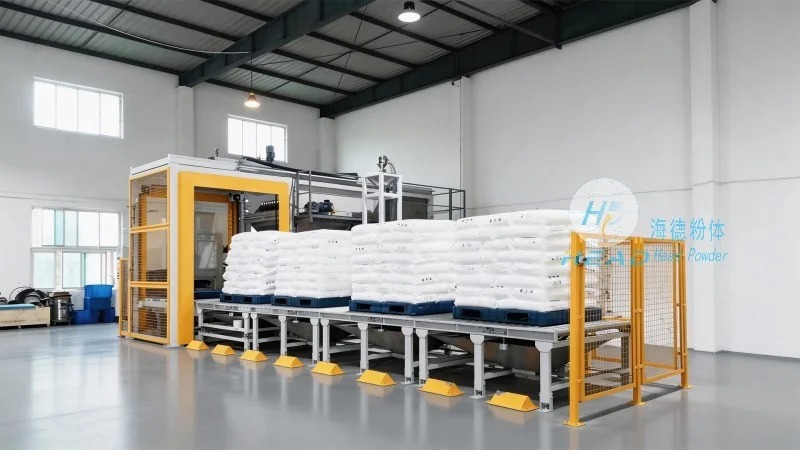
Pneumatic conveying systems for winery spoilage material exhibit several distinct characteristics that make them suitable for this application. Firstly, they provide a hygienic and closed-loop transport, preventing contamination from external sources and maintaining the integrity of the material. This is particularly important in food processing environments where cleanliness is paramount. Secondly, these systems offer flexibility in terms of layout, allowing for horizontal, vertical, or mixed-direction transport based on the winery's facility design. This adaptability reduces installation complexity and costs. Thirdly, pneumatic conveying is energy-efficient compared to traditional methods like trucks or forklifts, as it minimizes material handling time and labor. Additionally, the system can be integrated with other processing equipment, such as drying or compaction units, to create a seamless material flow within the winery. The ability to handle varying material loads and adjust airflow dynamically further enhances operational efficiency.
Applications and Benefits in Winery Operations
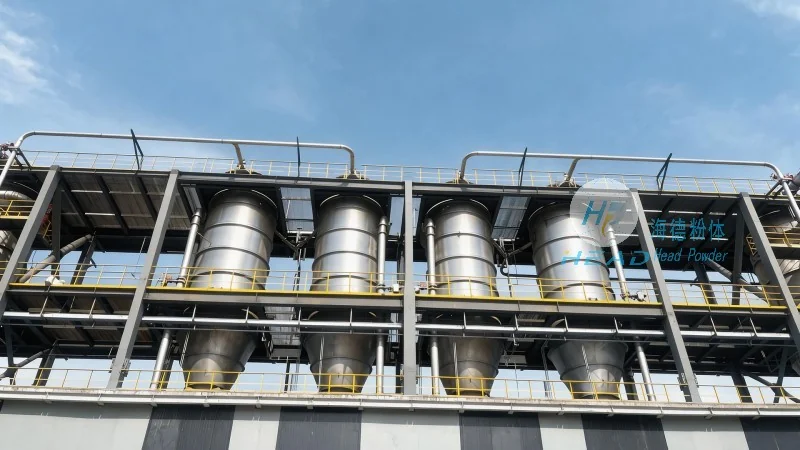
The application of pneumatic conveying systems for winery spoilage material has significant benefits for winery operations. By efficiently transporting pomace and other waste materials to storage or processing areas, wineries can optimize their workflow and reduce downtime. The hygienic nature of the system helps maintain compliance with food safety regulations, ensuring that the material is handled in a manner that does not compromise product quality. Furthermore, the energy efficiency of pneumatic conveying contributes to lower operational costs, making it a cost-effective solution for wineries of various sizes. The flexibility of the system also allows wineries to scale their operations as needed, adapting to changes in production volume without significant modifications to the conveying infrastructure.
Conclusion
Pneumatic conveying systems represent a sophisticated and effective solution for handling winery spoilage material. By understanding the working principle and leveraging the key characteristics of these systems, wineries can enhance their material handling processes, improve operational efficiency, and maintain high standards of hygiene. As a leading provider in this field, Shandong HeadPowder Engineering Co., Ltd. specializes in designing and manufacturing customized pneumatic conveying solutions tailored to the specific needs of wineries. With a focus on innovation and quality, HeadPowder ensures that wineries can achieve optimal performance in transporting their spoilage materials while adhering to industry standards and regulatory requirements.