

Working Principle and Characteristics of Calcium Hydroxide Pneumatic Conveying
Calcium hydroxide, commonly known as slaked lime, is a widely used chemical in various industrial applications, including water treatment, flue gas desulfurization, and food processing. The efficient handling and transportation of this material are crucial for maintaining operational efficiency and safety in industrial processes. Pneumatic conveying systems offer a reliable solution for moving calcium hydroxide, providing advantages over traditional methods such as belt conveyors or bucket elevators. This article explores the working principle and key characteristics of calcium hydroxide pneumatic conveying, highlighting the technology's benefits and practical applications.
The Working Principle of Pneumatic Conveying for Calcium Hydroxide
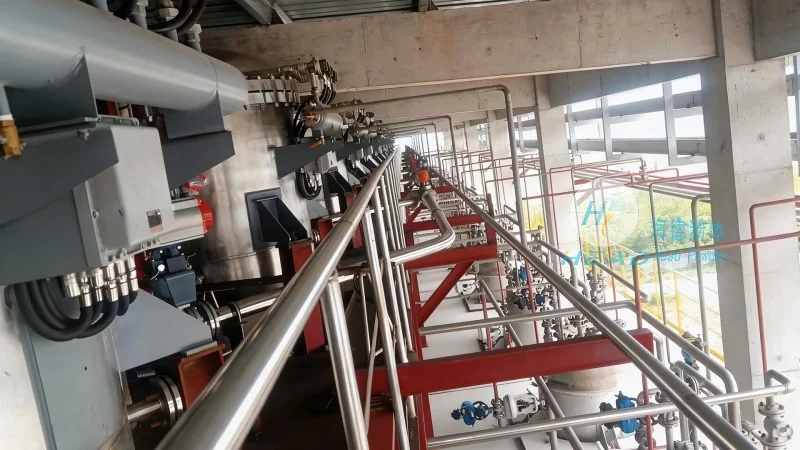
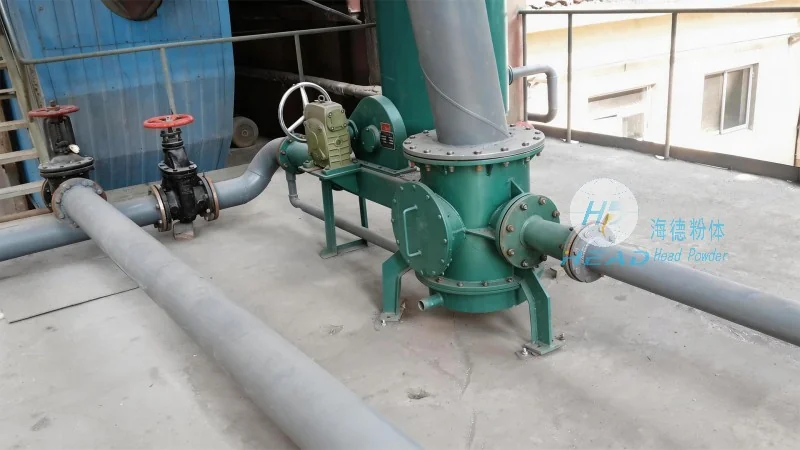
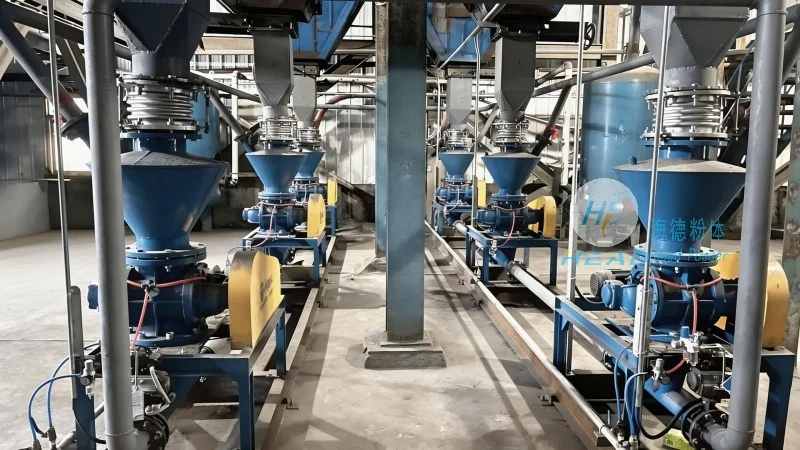
At the core of calcium hydroxide pneumatic conveying is the use of air or gas to transport the material through a pipeline system. The process typically involves a few key components: a material feed hopper, a conveyor line, a dust collector, and a discharge point. The working principle can be broken down into several stages. First, the calcium hydroxide is fed into the hopper from a storage silo or bagging system. A rotary valve or feeder then controls the flow rate, ensuring a consistent feed into the conveyor line. Next, a blower or air compressor generates the necessary air pressure to move the material. The air, carrying the calcium hydroxide particles, travels through the pipeline to the discharge point. In some systems, a separator or cyclone is used to separate the material from the air before it is discharged into the target container or process unit. The entire system operates under a controlled pressure and flow rate, which is critical for maintaining the efficiency and preventing material degradation or blockages.
Key Characteristics of Calcium Hydroxide Pneumatic Conveying
Several distinct characteristics define the performance and advantages of pneumatic conveying systems for calcium hydroxide. First, the system offers a high degree of flexibility in terms of layout and integration with existing industrial processes. Unlike fixed conveyors, pneumatic systems can be easily reconfigured to accommodate changes in production volume or process requirements. This adaptability is particularly valuable in industries where production schedules or product lines may change frequently. Second, pneumatic conveying provides excellent material handling capabilities, especially for fine or dusty powders like calcium hydroxide. The air flow helps to keep the material suspended and moving smoothly through the pipeline, reducing the risk of clogging or buildup that can occur with other methods. Third, the system is generally more hygienic and easier to clean compared to traditional conveyors, which is essential in food processing or pharmaceutical applications where contamination control is paramount. Additionally, pneumatic conveying can be designed to operate at low or high pressure, depending on the distance and material characteristics, offering versatility in system design. The low-pressure systems are suitable for short distances and less abrasive materials, while high-pressure systems are used for longer distances or more challenging applications. Another important characteristic is the ability to handle multiple materials or mix different powders in the same system, which can enhance process efficiency and reduce handling steps.
Advantages of Using Pneumatic Conveying for Calcium Hydroxide
Implementing a pneumatic conveying system for calcium hydroxide offers numerous advantages that contribute to improved operational performance and cost savings. One of the primary benefits is the reduction in labor costs associated with manual handling of the material. By automating the conveying process, companies can minimize the need for manual loading and unloading, which not only reduces labor expenses but also enhances workplace safety by eliminating the risk of handling heavy or dusty materials. Another significant advantage is the improvement in material quality and consistency. Pneumatic systems ensure that the calcium hydroxide is transported without segregation or degradation, maintaining its chemical properties and ensuring uniformity in the final product. This is particularly important in applications where the purity and quality of the material directly impact the effectiveness of downstream processes, such as water treatment or flue gas desulfurization. Furthermore, pneumatic conveying systems are more energy-efficient compared to some alternative methods, especially when considering the overall system design and operational parameters. The use of air as the conveying medium allows for a more controlled and energy-conserving process, which can lead to lower operational costs over time. Additionally, the system's compact design and minimal space requirements make it suitable for facilities with limited floor space, allowing for better utilization of available area. The ability to integrate the system with other process equipment, such as mixers or reactors, also enhances overall process efficiency by streamlining material flow and reducing downtime.
Considerations for Designing a Calcium Hydroxide Pneumatic Conveying System
When designing a pneumatic conveying system for calcium hydroxide, several factors must be carefully considered to ensure optimal performance and longevity. The first consideration is the material characteristics of the calcium hydroxide itself. The particle size, density, and moisture content are critical parameters that influence the system's design. For example, fine powders may require higher air velocities to maintain suspension, while larger particles may need higher pressure to ensure proper transport. The system designer must also consider the material's abrasiveness, as calcium hydroxide can be somewhat abrasive, which may affect the wear on components like pipelines and valves. This consideration leads to the selection of appropriate materials for the system components, such as stainless steel or special coatings, to minimize wear and extend the system's lifespan. Another important factor is the distance and layout of the conveying line. The length and elevation changes of the pipeline will determine the required air pressure and blower capacity. For longer distances or higher elevations, a high-pressure system may be necessary to overcome the pressure drop and maintain material flow. The system's layout should also take into account the need for dust collection and air filtration, as calcium hydroxide is a fine powder that can generate significant dust during handling. Proper dust collection systems, such as cyclones or bag filters, are essential to maintain air quality and comply with environmental regulations. Additionally, the system's integration with the existing process infrastructure is a key consideration. The design must ensure compatibility with the storage, processing, and discharge equipment, minimizing the need for additional modifications or additions to the facility. Finally, the operational requirements and maintenance needs of the system should be evaluated. The system should be designed for easy access to components for maintenance and cleaning, and the use of durable materials and components will reduce the frequency of repairs and replacements, leading to lower long-term costs.
Applications of Calcium Hydroxide Pneumatic Conveying
Calcium hydroxide pneumatic conveying systems are widely used in various industrial applications due to their efficiency and reliability. In water treatment plants, the system is used to transport calcium hydroxide for pH adjustment and coagulation processes. The material is added to the water treatment system in precise amounts to neutralize acidic water or improve the coagulation of suspended solids, ensuring clean and safe drinking water. In flue gas desulfurization (FGD) systems, calcium hydroxide is used as a sorbent to remove sulfur dioxide from industrial exhaust gases. The pneumatic conveying system ensures that the calcium hydroxide is delivered to the scrubber in a controlled manner, maintaining the optimal chemical reaction conditions and improving the efficiency of the desulfurization process. In the food and beverage industry, calcium hydroxide is used as a food additive and in the production of certain dairy products. The pneumatic conveying system allows for the safe and hygienic handling of the material, preventing contamination and ensuring compliance with food safety regulations. Additionally, in the construction industry, calcium hydroxide is used in the production of lime-based products, such as mortar and plaster. The system facilitates the efficient transport of the material from storage to production lines, enhancing the overall production process. These applications highlight the versatility and importance of pneumatic conveying systems in handling calcium hydroxide across different industries.