

What is a Barley Malt Powder Pneumatic Conveying System? And What Are Its Design Principles?
Barley malt powder is a cornerstone ingredient in the brewing industry, and efficient handling of this material is critical for maintaining production consistency and quality. A pneumatic conveying system specifically engineered for barley malt powder offers a reliable and hygienic solution for transporting this fine powder from storage to processing areas. This article delves into the concept of a barley malt powder pneumatic conveying system, outlining its components, operational mechanics, and key design principles that ensure optimal performance.
Introduction to Barley Malt Powder Pneumatic Conveying
A pneumatic conveying system for barley malt powder is a closed-loop system that utilizes compressed air to move dry powder materials. Unlike traditional mechanical conveying methods, which rely on belts or screws, pneumatic systems employ air pressure to suspend and transport the powder through a network of pipes. This approach is particularly advantageous for handling fine powders like barley malt, as it minimizes material degradation, prevents dusting, and ensures a consistent flow. The system is widely used in breweries to streamline the transfer of malt from storage silos to mashing tanks or other processing equipment.
Key Components and Their Functions
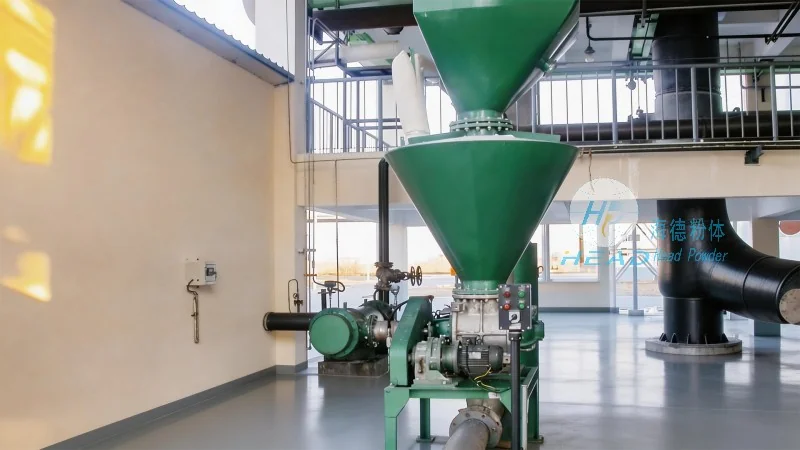
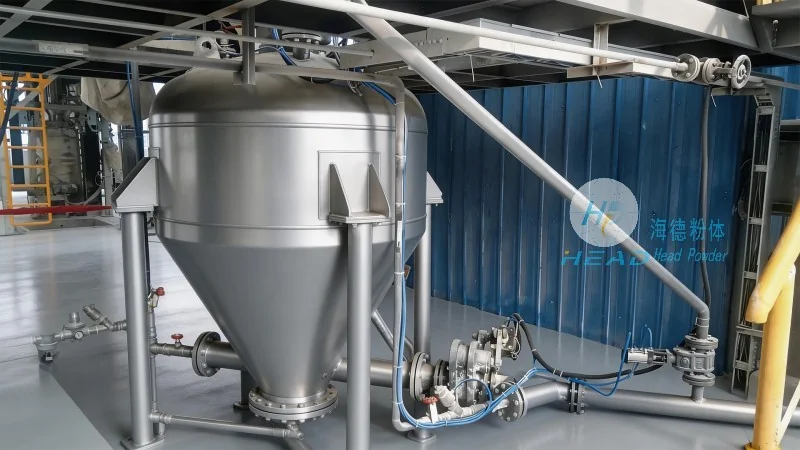
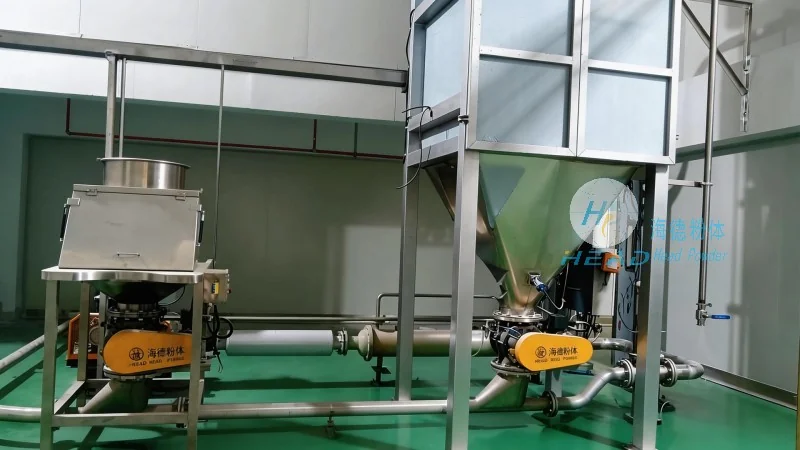
The barley malt powder pneumatic conveying system comprises several essential components that work together to achieve efficient material transport. These components include a storage hopper or silo, a feeder mechanism to control the powder flow rate, a conveying line (typically made of stainless steel or food-grade materials to prevent contamination), a compressor or air supply unit to generate the necessary air pressure, and a receiver or discharge hopper where the powder is deposited at the destination. The storage hopper is designed to hold large quantities of barley malt powder, ensuring a steady supply to the system. The feeder, often a rotary valve or screw feeder, regulates the amount of powder entering the conveying line, preventing overloading and maintaining a consistent flow. The conveying line, usually constructed from stainless steel or plastic, is designed to withstand the pressure and prevent material buildup. The compressor provides the high-pressure air required to move the powder, while the receiver collects the material at the end of the line, ready for processing.
Design Principles and Operational Mechanics
The design of a pneumatic conveying system for barley malt powder is guided by several fundamental principles aimed at optimizing performance and preserving material quality. One of the primary considerations is the air-to-powder ratio, which determines the velocity of the powder particles within the conveying line. An optimal ratio ensures that the powder is fully suspended by the air stream, preventing blockages and maintaining a smooth flow. The system's design must also account for the specific properties of barley malt powder, such as its particle size distribution, moisture content, and flowability. Engineers must consider factors like the powder's tendency to agglomerate or clog, and incorporate features like air knives or vibrators to prevent these issues. Additionally, the system's layout, including the length and number of bends, affects the air pressure and power requirements. Proper sizing of the compressor and air filters is critical to maintain consistent pressure and prevent contamination from the powder.
Advantages of Implementing a Pneumatic Conveying System
Adopting a pneumatic conveying system for barley malt powder offers numerous benefits that enhance operational efficiency and product quality. One of the most significant advantages is the ability to maintain a dust-free environment, as the system operates within a closed loop, reducing the risk of airborne contamination. This is particularly important in food processing applications where hygiene standards are stringent, ensuring compliance with regulations like FDA or EU food safety guidelines. Furthermore, pneumatic systems allow for flexible and modular installation, enabling easy integration into existing production lines without extensive modifications. The system also minimizes material loss and reduces the need for manual handling, improving workplace safety and reducing labor costs. Additionally, the closed system design prevents cross-contamination between different batches of malt, maintaining product purity and consistency.
System Sizing and Performance Considerations
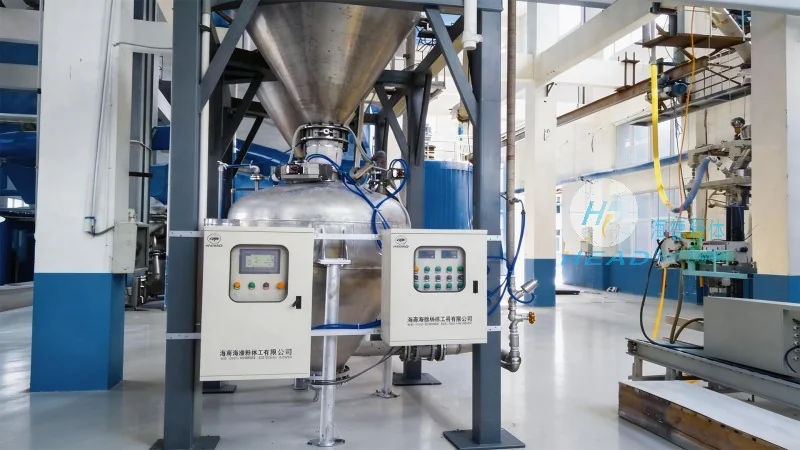
When designing a pneumatic conveying system for barley malt powder, engineers must carefully evaluate several factors to ensure optimal performance. The system's capacity is determined by the required flow rate of the powder, which is influenced by production throughput and processing requirements. The length and layout of the conveying line, including any vertical lifts or horizontal runs, affect the air pressure and power consumption. Engineers must calculate the pressure drop across the system components, which is the reduction in air pressure as it travels through the pipes and fittings. This calculation helps determine the appropriate compressor size and air volume needed to maintain the desired flow rate. The choice of materials for the conveying line and components is also critical to prevent corrosion or contamination from the barley malt powder, ensuring the system's longevity and compliance with food safety regulations. For instance, stainless steel is commonly used for its corrosion resistance and ease of cleaning, while food-grade plastics are used for non-critical parts.
Conclusion
A barley malt powder pneumatic conveying system is a sophisticated and efficient solution for transporting this vital ingredient in the brewing industry. By leveraging compressed air to move the fine powder through a closed system, it offers advantages such as dust control, material integrity preservation, and flexible installation. The design principles, including the air-to-powder ratio and material-specific considerations, are crucial for ensuring the system operates reliably and meets the demands of modern production environments. For breweries seeking to enhance their processing capabilities while maintaining high standards of quality and hygiene, a well-designed pneumatic conveying system is an essential investment. Companies like Shandong HeadPowder Engineering Co., Ltd., based in China, specialize in manufacturing and supplying such systems, providing tailored solutions to meet the unique needs of each brewery.