

What is a Glucose Material Handling System? What are its Design Principles?
Glucose, a vital monosaccharide widely used in pharmaceuticals, food processing, and biofuel production, requires efficient and reliable material handling systems to ensure smooth production processes. A glucose material handling system is a specialized setup designed to transport, store, and manage glucose materials throughout various stages of industrial operations. This system integrates components such as conveyors, storage tanks, pumps, and control systems to optimize the flow of glucose from raw material reception to final product packaging. The effectiveness of these systems directly impacts production efficiency, product quality, and operational safety.
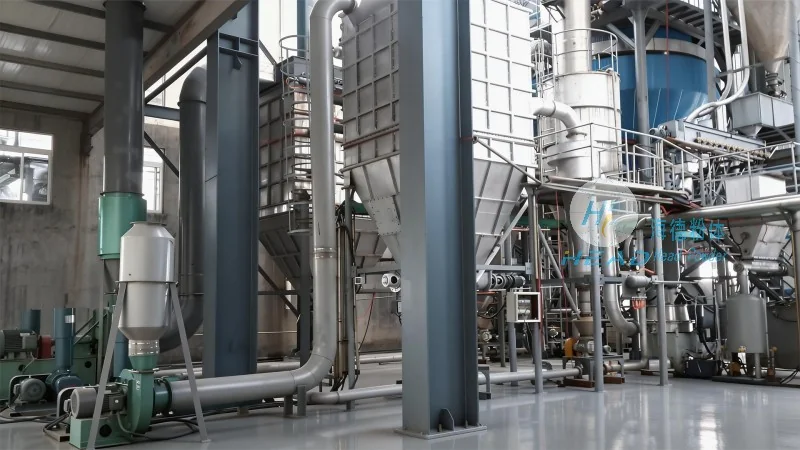
Key Components of a Glucose Material Handling System
The core components of a glucose material handling system are engineered to handle the unique properties of glucose, including its hygroscopic nature, susceptibility to temperature changes, and the need for sterile or controlled environments in pharmaceutical applications. Key components typically include:
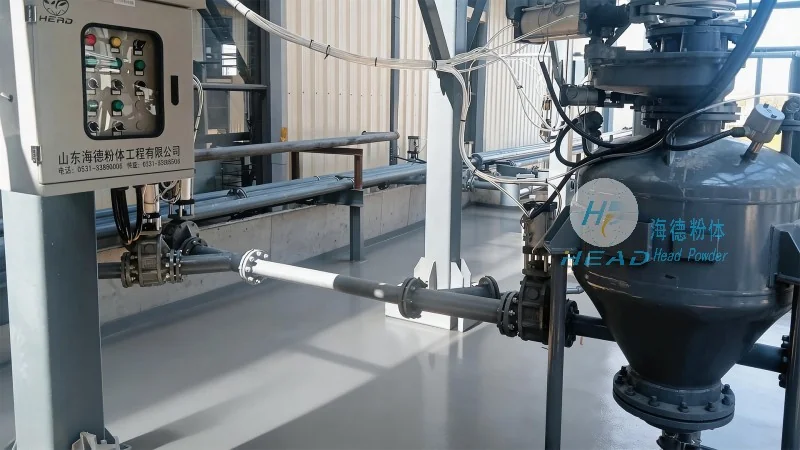
- Conveying Equipment: Such as screw conveyors, belt conveyors, or pneumatic conveyors, which transport glucose from storage to processing units. These systems are designed to minimize product degradation and maintain consistent flow rates.
- Storage Tanks: Stainless steel or food-grade tanks equipped with agitators to prevent caking and ensure uniform material consistency. Some tanks may include temperature control features to maintain optimal glucose conditions.
- Pumping Systems: Centrifugal or positive displacement pumps that handle glucose solutions, ensuring reliable transfer between tanks and processing equipment. These pumps are often equipped with anti-corrosion materials to withstand the chemical properties of glucose.
- Control Systems: Automated control panels that monitor flow rates, pressure, and temperature, providing real-time data to operators and enabling adjustments to maintain system efficiency.
Design Principles for Optimal Performance
The design of a glucose material handling system follows several critical principles to ensure efficiency, safety, and product integrity. These principles include:
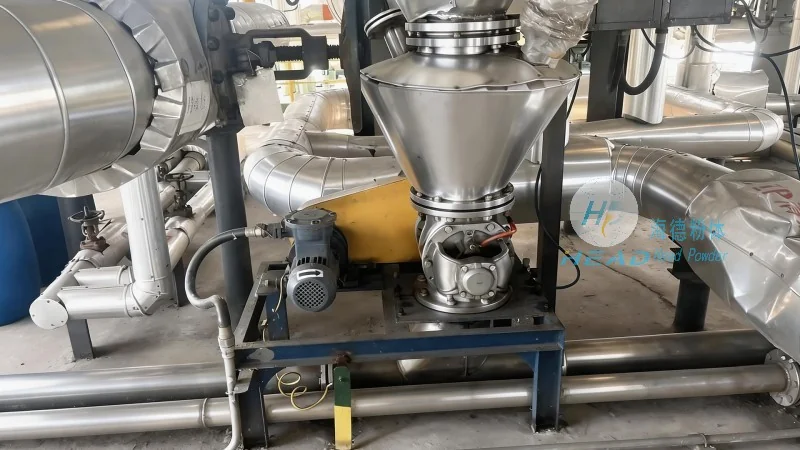
- Sanitary Design: Essential for pharmaceutical and food applications, all components are constructed with smooth surfaces, no dead corners, and easy-to-clean materials to prevent contamination and bacterial growth.
- Material Compatibility: Components are made from materials like stainless steel, PTFE, or food-grade plastics that are resistant to corrosion and chemical reactions with glucose, ensuring long-term durability.
- Temperature Control: Glucose systems often require temperature regulation to prevent crystallization or degradation. Design incorporates heating or cooling elements to maintain optimal processing temperatures.
- Flow Optimization: System design focuses on minimizing friction and pressure losses to maintain consistent flow rates, reducing energy consumption and wear on equipment.
- Safety Features: Integrated safety mechanisms, such as pressure relief valves, emergency shut-off valves, and monitoring systems, protect operators and equipment from potential hazards.
Applications in Industrial Settings
Glucose material handling systems are widely used across various industries, including pharmaceutical manufacturing, food and beverage processing, and biofuel production. In pharmaceuticals, these systems ensure the sterile and controlled handling of glucose used in injectable solutions and oral medications. In food processing, they facilitate the production of glucose-based sweeteners, syrups, and beverages. In biofuel industries, glucose is a key feedstock for ethanol production, and efficient handling systems are critical to maximizing yield and reducing waste.
Customization and Scalability
HeadPowder, a leading provider of engineering solutions, specializes in designing and manufacturing customized glucose material handling systems tailored to specific industrial needs. With a focus on quality and innovation, HeadPowder's systems are scalable, allowing them to accommodate small-scale laboratory operations as well as large-scale industrial production lines. The company's expertise in material handling technology ensures that each system is optimized for the unique requirements of the client, whether it involves high-purity glucose for pharmaceuticals or bulk glucose for food production. Based in Shandong, China, HeadPowder leverages local manufacturing capabilities to deliver reliable and cost-effective solutions for glucose handling across various industries.
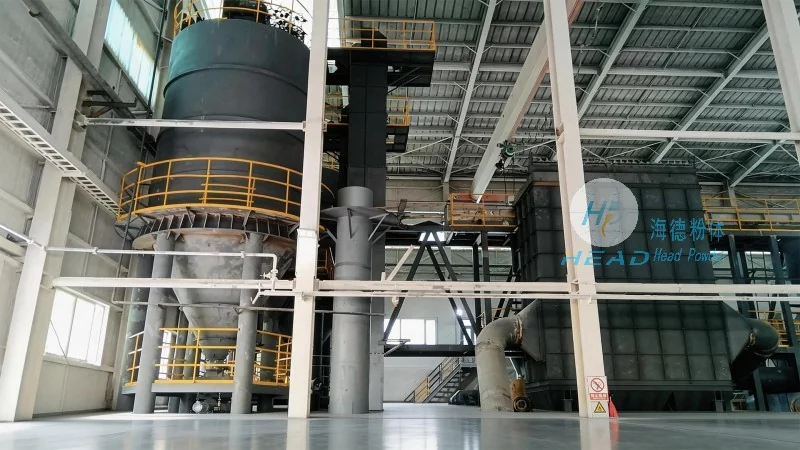
Benefits of Professional Glucose Handling Solutions
Investing in a well-designed glucose material handling system offers numerous benefits for industrial operations. These include improved production efficiency through consistent flow rates, reduced downtime due to equipment durability, and enhanced product quality through controlled handling processes. Additionally, professional systems minimize the risk of contamination and product loss, ensuring compliance with industry standards and regulations. For businesses operating in the glucose industry, partnering with a specialized engineering company like HeadPowder can provide a competitive edge by optimizing operational performance and reducing long-term costs.