

What is an Automatic Weighing and Material Feeding System? What are its Design Principles?
For industries that rely on precise material handling and consistent product quality, an automatic weighing and material feeding system is a critical component of modern production processes. These systems are designed to streamline the process of measuring, weighing, and delivering raw materials or ingredients with high accuracy and efficiency. Understanding the core functions and design principles of such systems is essential for optimizing manufacturing operations and ensuring compliance with industry standards.
Core Components and Functions of an Automatic Weighing System
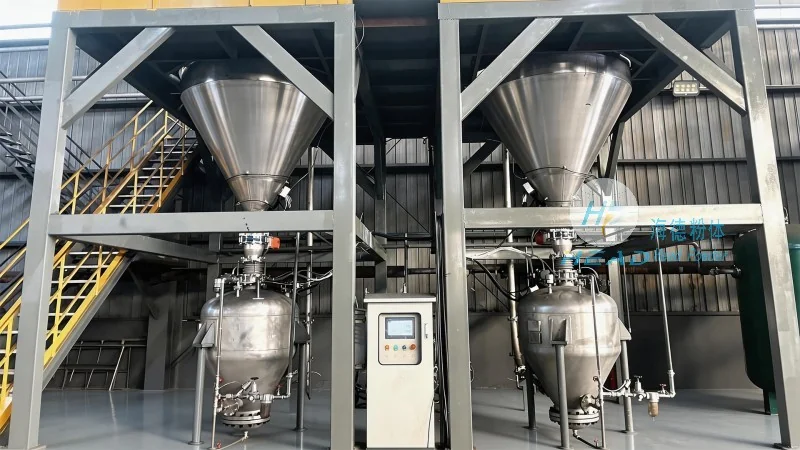
An automatic weighing and material feeding system typically consists of several key components that work in tandem to achieve precise material handling. The primary components include a weighing scale, a material feeder, a control unit, and often a conveyor system. The weighing scale, which can be a load cell or a more advanced digital scale, is responsible for measuring the weight of the material being fed. The control unit, often a programmable logic controller (PLC) or a dedicated software interface, processes the weight data and sends signals to the feeder to adjust the flow rate accordingly. The material feeder, which may be a screw feeder, a belt feeder, or a vibratory feeder, delivers the material at a controlled rate to the weighing scale. The conveyor system, if included, transports the material from the storage area to the feeder and then to the processing line.
The system operates by continuously feeding material into the scale while the control unit monitors the weight. When the target weight is reached, the feeder stops, and the material is then transferred to the next stage of the production process. This closed-loop control ensures that the amount of material delivered is consistent and meets the required specifications. The precision of these systems is crucial, especially in industries like pharmaceuticals, food processing, and chemical manufacturing, where even small variations in material quantity can impact product quality and safety.
Design Principles for Optimal Performance
The design of an automatic weighing and material feeding system is guided by several key principles to ensure reliability, accuracy, and efficiency. First, the system must be designed for high repeatability and linearity. This means that the scale should provide consistent measurements across a wide range of weights and that the feeder should deliver material at a predictable rate. Second, the system should incorporate robust control algorithms to handle dynamic changes in material flow and to compensate for variations in material density or bulkiness. Advanced control systems may use feedback loops to adjust the feeder speed in real-time, ensuring that the weight remains stable even when the material properties change.
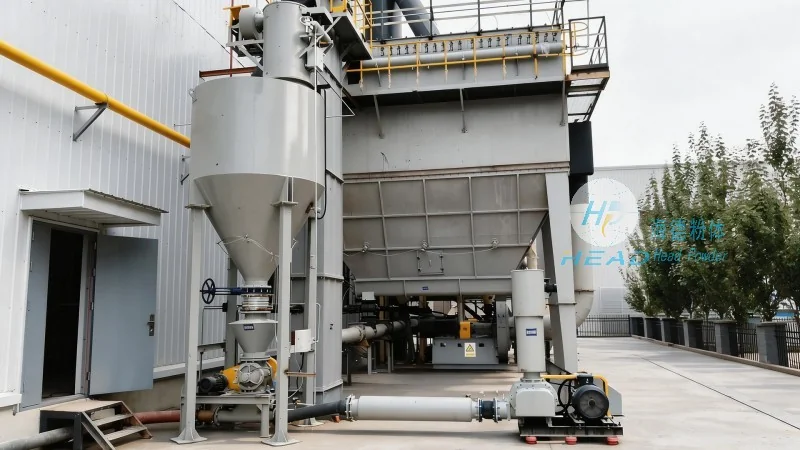
Another important design principle is the integration of safety features. These systems often include overload protection, emergency stop mechanisms, and interlocks to prevent accidents and ensure operator safety. The design also considers the environmental conditions where the system will be installed, such as temperature, humidity, and dust levels, to ensure durability and long-term performance. Additionally, the system should be easy to maintain and calibrate, with clear indicators for when maintenance is required or when the scale needs to be re-calibrated.
Applications and Benefits in Industrial Settings
Automatic weighing and material feeding systems are widely used across various industries due to their ability to enhance productivity and product consistency. In the pharmaceutical industry, for example, these systems are essential for preparing precise dosages of active ingredients, ensuring that each batch of medication meets strict regulatory requirements. In food processing, they help maintain consistent ingredient ratios in products like baked goods, beverages, and snacks, which is critical for brand reputation and consumer trust. The chemical industry also benefits from these systems, as they enable accurate blending of chemicals for manufacturing processes, reducing waste and improving product quality.
One of the primary benefits of such systems is the reduction in human error. Manual weighing and feeding processes are prone to variations due to operator fatigue or skill differences, whereas automated systems provide consistent results. This not only improves product quality but also reduces the risk of non-compliance with industry standards. Additionally, the efficiency gains from automated material handling can lead to significant cost savings over time, as less material is wasted and production cycles are completed more quickly.
Customization and Scalability for Diverse Needs
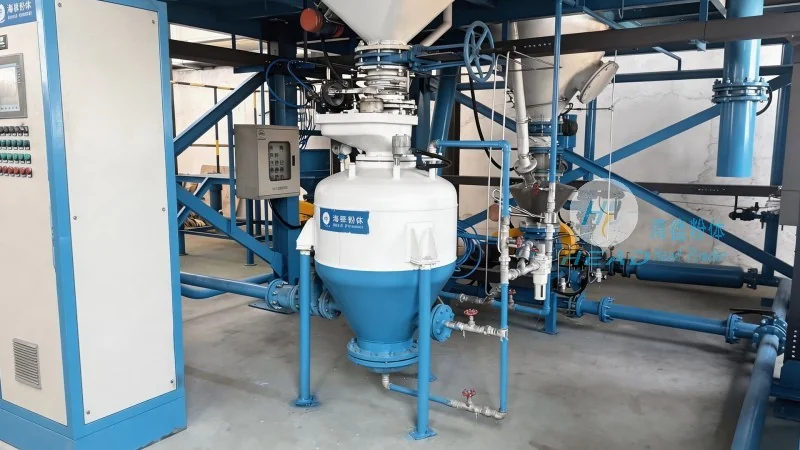
Companies like Shandong HeadPowder Engineering Co., Ltd., based in China, specialize in designing and manufacturing customized automatic weighing and material feeding systems tailored to the specific needs of their clients. These systems can be scaled to accommodate different production volumes, from small-scale batch processing to large-scale continuous production. The customization options may include different types of feeders, weighing scales with varying capacities, and control systems that integrate with existing production lines or enterprise resource planning (ERP) software.
For example, a small food processing plant might require a compact system with a screw feeder and a digital scale, while a large chemical manufacturing facility might need a more robust system with multiple feeders and a high-capacity conveyor. The ability to customize the system ensures that it fits seamlessly into the existing infrastructure and meets the unique requirements of each application. This flexibility is a key advantage for businesses looking to optimize their material handling processes without the need for extensive modifications to their production lines.
Conclusion: The Role of Advanced Systems in Modern Manufacturing
In conclusion, an automatic weighing and material feeding system is a sophisticated piece of equipment that plays a vital role in modern industrial production. By combining precise weighing technology with automated material handling, these systems enable manufacturers to achieve consistent product quality, improve operational efficiency, and reduce costs. The design principles that guide these systems, such as closed-loop control, robust feedback mechanisms, and safety features, ensure that they operate reliably and meet the stringent demands of various industries. As technology continues to advance, these systems are becoming even more intelligent and adaptable, further enhancing their value in today's competitive manufacturing landscape.