

What is a Food Additive Material Conveying Line? What Are Its Design Principles?
Understanding the role and design of food additive material conveying lines is crucial for efficient processing in the food industry. These systems are engineered to handle the transport of various food additives, ensuring safety, hygiene, and operational efficiency throughout the production process.
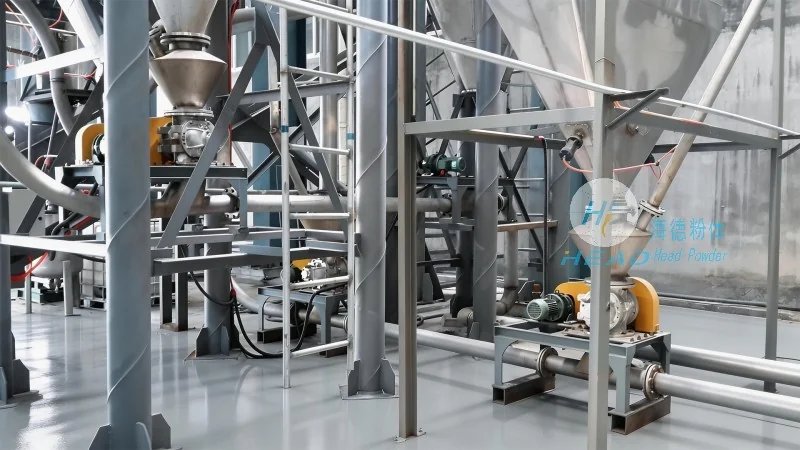
What is a Food Additive Material Conveying Line?
A food additive material conveying line is a specialized system designed to move raw materials or processed food additives from one processing stage to another within a food manufacturing facility. These lines are integral to the production workflow, enabling seamless transfer of ingredients while maintaining compliance with industry standards for food safety and quality control. The system typically includes components such as hoppers, conveyors, control panels, and safety mechanisms, all tailored to the specific characteristics of the food additives being handled.
Key Design Principles for Food Additive Conveying Lines
The design of a food additive material conveying line is governed by several critical principles that ensure optimal performance and adherence to regulatory requirements. First, the system must prioritize hygiene and sanitation, as food additives are often used in direct contact with food products. Materials used in the construction of the conveying line, such as stainless steel, are preferred for their resistance to corrosion, ease of cleaning, and non-reactivity with food substances. Additionally, the design must consider the physical properties of the additives, including their size, shape, and moisture content, to prevent clogging or degradation during transport.
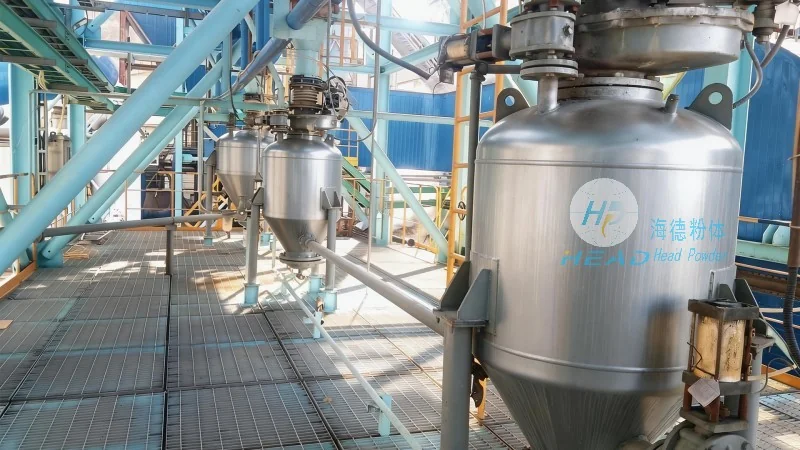
Another essential design principle is the integration of control systems that allow for precise monitoring and adjustment of the conveying process. Modern conveying lines often feature variable speed drives, sensors for level and flow detection, and automated controls that can adjust the speed or direction of the conveyor based on real-time conditions. This not only enhances operational efficiency but also minimizes the risk of overloading or underloading the system, which could lead to product loss or equipment damage.
Components and Functional Aspects of the Conveying Line
The functionality of a food additive material conveying line is achieved through a combination of specialized components that work in harmony. Hoppers are used to store and feed the additives into the system, with designs that minimize material bridging and ensure a consistent flow. Conveyors, such as belt conveyors or screw conveyors, are selected based on the characteristics of the additives. For example, screw conveyors are effective for handling powders and granules, while belt conveyors may be preferred for bulkier or more irregularly shaped materials. The control panel serves as the central hub for managing the entire system, allowing operators to monitor parameters like speed, pressure, and temperature, and to initiate or stop the conveying process as needed.
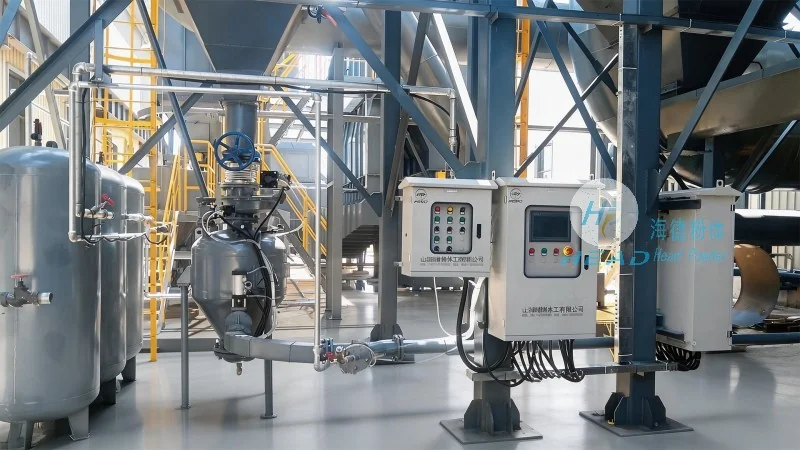
Ensuring Compliance and Safety in Design
Compliance with food safety regulations is a paramount consideration in the design of food additive conveying lines. The system must be constructed and maintained in accordance with standards such as FDA (U.S. Food and Drug Administration) and EU regulations, which mandate specific requirements for material safety, sanitation, and traceability. Safety features, including emergency stop buttons, interlocks, and protective guards, are integrated into the design to prevent accidents and ensure the well-being of operators. Regular cleaning and maintenance protocols are also incorporated into the system's design to prevent cross-contamination and maintain product integrity.
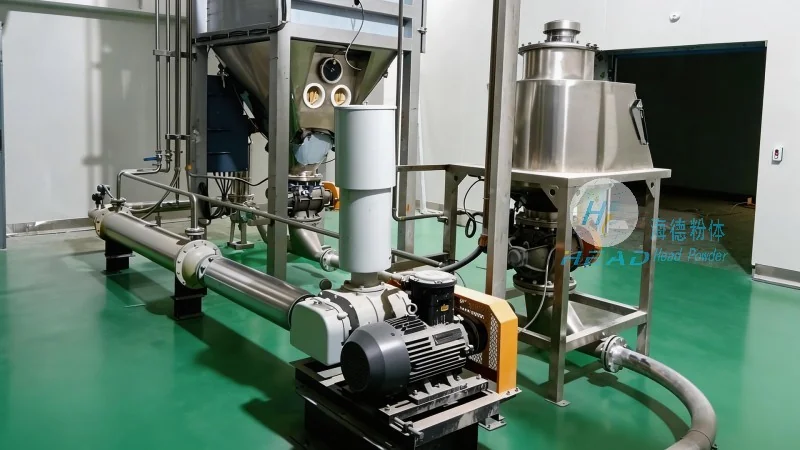
Application of Conveying Lines in Food Additive Processing
Food additive material conveying lines are widely used in various stages of food processing, from the initial handling of raw ingredients to the final packaging of finished products. For instance, in the production of flavor enhancers or preservatives, these lines facilitate the transfer of powders or liquids from storage tanks to mixing equipment. In the case of colorants or vitamins, the system ensures that these additives are accurately dosed and mixed into the main product, maintaining consistent quality and flavor. The efficiency of the conveying line directly impacts the overall productivity of the manufacturing process, as it reduces manual handling and minimizes the risk of human error.
Conclusion
In summary, a food additive material conveying line is a sophisticated system designed to transport food additives safely and efficiently. Its design is guided by principles of hygiene, material compatibility, and operational control, ensuring that the additives are handled with the utmost care throughout the production process. Companies like Shandong HeadPowder Engineering Co., Ltd., based in China, specialize in the design and manufacturing of such systems, providing tailored solutions that meet the specific needs of food manufacturers. By adhering to these design principles, food additive conveying lines contribute significantly to the productivity and quality of food production, while maintaining compliance with industry regulations.