

What is a Mica Sand Powder Conveying Equipment? And What Are Its Design Principles?
Mica sand, a valuable mineral resource, is widely used in various industries such as coatings, plastics, and ceramics. The efficient and reliable transportation of mica sand powder is crucial for industrial processes. This article explores the concept of mica sand powder conveying equipment and delves into its fundamental design principles, highlighting the expertise of Shandong HeadPowder Engineering Co., Ltd. as a leading provider in the field.
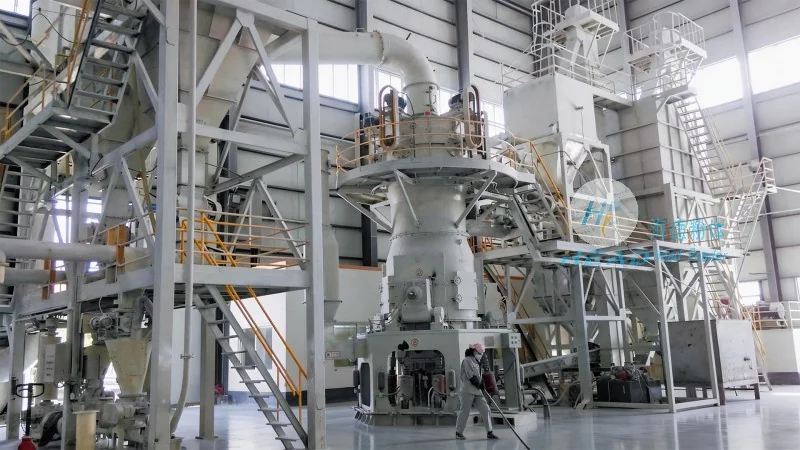
Understanding Mica Sand Powder Conveying Equipment: Key Design Principles
Mica sand powder conveying equipment is specifically engineered to handle the unique characteristics of mica sand, including its fine particle size, light weight, and tendency to create dust. The design of such equipment focuses on ensuring minimal product loss, preventing clogging, and maintaining consistent flow rates. At HeadPowder, we specialize in developing solutions tailored to the specific demands of mica sand processing, ensuring optimal performance and durability.
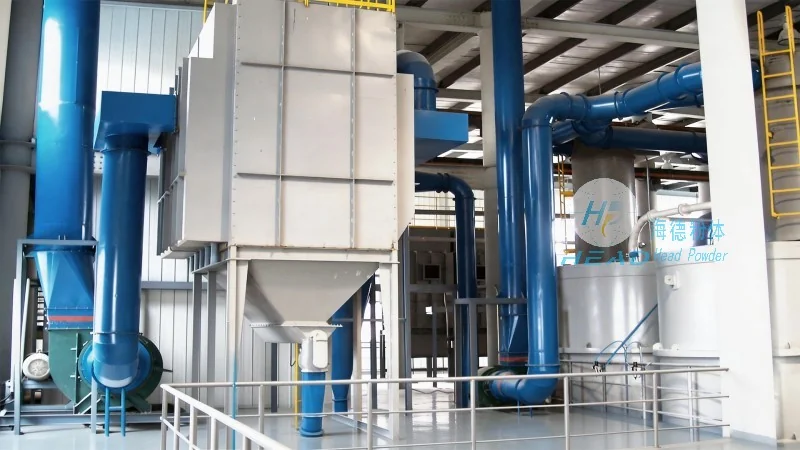
The Core Components and Working Principle
The typical mica sand powder conveying equipment consists of several key components that work in tandem to achieve efficient material transport. These include a hopper for material storage, a conveyor system (often a screw or pneumatic conveyor), a drive mechanism, and control systems. The hopper is designed to hold the mica sand and feed it into the conveyor at a controlled rate. The conveyor then transports the powder through a pipeline to the desired destination, such as a processing unit or storage silo. The drive mechanism, which may be electric or mechanical, provides the necessary force to move the material. Control systems are integrated to regulate the flow rate and monitor the operation, ensuring safety and efficiency.
Design Considerations for Efficient Operation
Effective design of mica sand powder conveying equipment involves several critical considerations. First, the material of construction must be resistant to corrosion and wear, as mica sand can be abrasive. Stainless steel or high-grade alloys are commonly used for components that come into direct contact with the powder. Second, the equipment must be equipped with robust sealing systems to prevent dust leakage and maintain a clean working environment. This is particularly important in industries where dust control is a regulatory requirement. Third, the design should allow for easy maintenance and cleaning to minimize downtime and ensure long-term reliability. At Shandong HeadPowder Engineering Co., Ltd., our engineers apply these principles to create equipment that meets the highest standards of performance and safety.
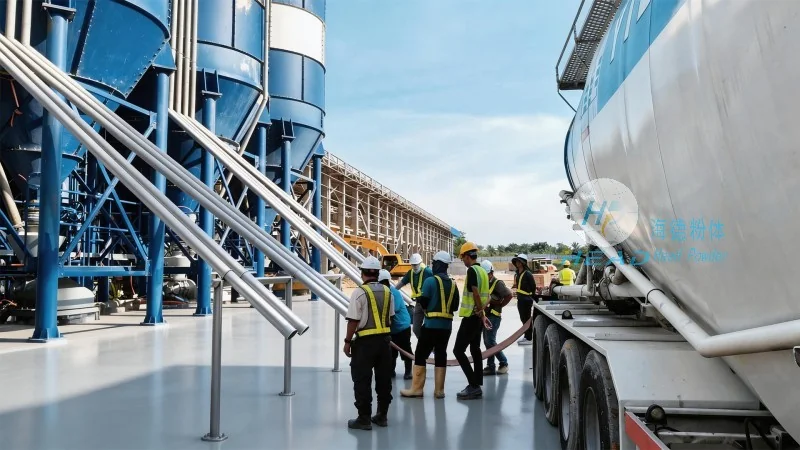
Application and Industry Relevance
Mica sand powder conveying equipment plays a vital role in the mica sand processing industry. It enables the seamless transfer of mica sand from raw material storage to processing lines, ensuring a continuous and efficient workflow. The equipment is also used in downstream applications, such as blending mica sand with other materials or transporting it to packaging units. The reliability of the conveying system directly impacts the overall productivity and quality of the final products. HeadPowder's expertise in designing and manufacturing mica sand conveying equipment has helped numerous clients in the coatings, plastics, and ceramics sectors achieve enhanced operational efficiency and cost savings.