

What is a Pneumatic Pulse Powder Conveying Equipment? And What Are Its Design Principles?
HeadPowder, a leading manufacturer based in Shandong, China, specializes in the design and production of advanced powder conveying systems. This article aims to explain what pulse powder conveying equipment is and delve into its fundamental design principles, providing a clear understanding of this essential technology in material handling.
What is Pulse Powder Conveying Equipment?
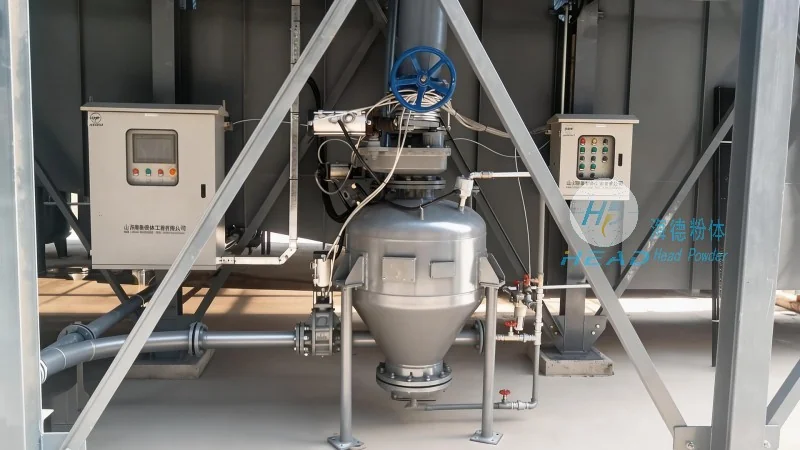
Pulse powder conveying equipment, also known as pneumatic pulse conveying systems, is a type of industrial equipment used to transport bulk powders and granular materials over long distances. Unlike traditional screw or belt conveyors, this system utilizes compressed air to create a pulse effect, which helps in maintaining the flow of material through the pipeline. The equipment typically consists of a hopper for material storage, a pulse generator to control the air flow, and a series of pipes that form the conveying path. By delivering short bursts of compressed air, the system prevents material from settling or clogging, ensuring efficient and reliable transport.
Key Components of Pulse Powder Conveying Systems
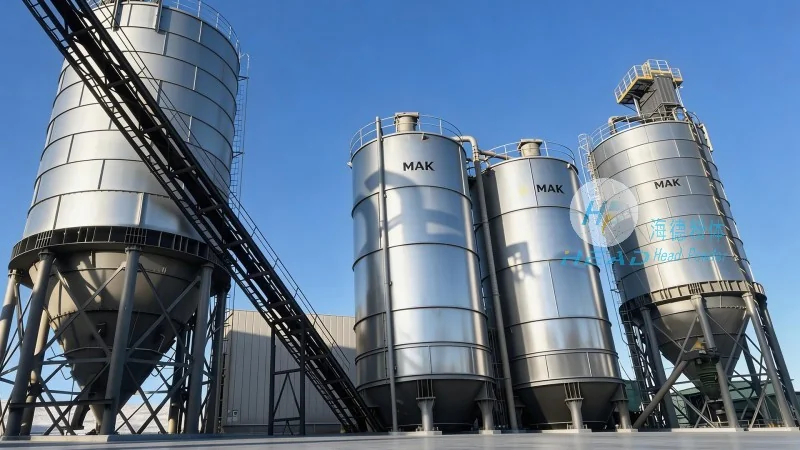
Understanding the design of pulse powder conveying equipment requires knowledge of its core components. Each part plays a crucial role in the overall operation. The hopper is where the bulk material is stored, and it is equipped with a discharge valve to control the flow rate. The pulse generator, often a solenoid valve, is responsible for creating the intermittent air pulses. It works in conjunction with a timer or control unit to regulate the frequency and duration of the pulses. The pipeline system, usually made of stainless steel or other corrosion-resistant materials, is designed to withstand the pressure and abrasion from the material being conveyed. Additionally, filters and cyclones may be included to separate the conveyed material from the air, ensuring clean and efficient operation.
Design Principles of Pulse Powder Conveying Equipment
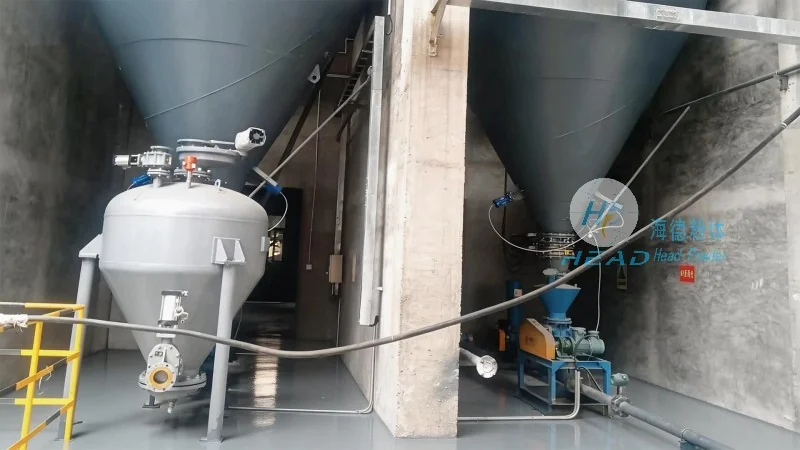
The design principles of pulse powder conveying equipment are centered around the concept of fluidization and the prevention of material bridging or clogging. The primary goal is to maintain a consistent flow of material through the pipeline by creating a dynamic, fluid-like state. The pulse frequency and air pressure are critical parameters that must be optimized based on the characteristics of the material being conveyed, such as particle size, density, and moisture content. For example, finer powders may require higher pulse frequencies to prevent settling, while larger particles might need lower frequencies to avoid excessive wear on the system components. The design also considers the overall system layout, including the length and diameter of the pipeline, as these factors directly impact the efficiency and performance of the equipment. Proper sizing of the hopper and discharge valve is essential to match the material flow rate with the conveying capacity of the system, ensuring smooth operation without overloading or underutilizing the equipment.
Advantages of Using Pulse Powder Conveying Equipment
Pulse powder conveying equipment offers several advantages over traditional conveying methods. One of the main benefits is its ability to handle a wide range of materials, including those that are abrasive, corrosive, or have high moisture content. The pneumatic system allows for flexible installation, as the pipeline can be routed around obstacles without the need for complex mechanical structures. Additionally, the equipment is relatively low maintenance, as there are fewer moving parts compared to screw or belt conveyors. The pulse mechanism also helps in reducing material degradation, as the material is not subjected to excessive friction or impact. This makes it suitable for applications where material quality is critical, such as in pharmaceuticals, food processing, and chemical industries. Furthermore, the system can be easily integrated with other processing equipment, such as mixers or reactors, to form a complete production line, enhancing overall operational efficiency.
Applications of Pulse Powder Conveying Equipment
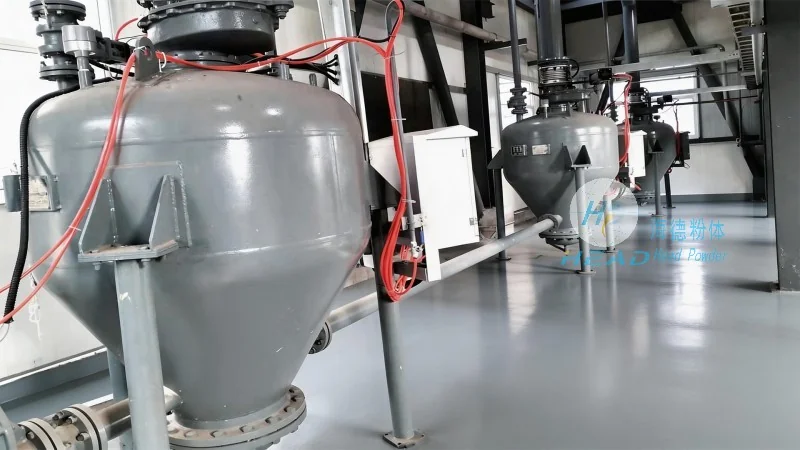
Pulse powder conveying equipment is widely used in various industries due to its versatility and efficiency. In the pharmaceutical industry, it is used to transport active pharmaceutical ingredients (APIs) and excipients with high precision and minimal contamination. The stainless steel construction and clean design of the system ensure compliance with regulatory standards. In the food industry, it is employed to convey powders like flour, sugar, and spices, maintaining hygiene and preventing cross-contamination. The chemical industry utilizes this equipment for transporting bulk chemicals, including those that are hazardous or reactive. The ability to handle abrasive materials makes it suitable for mining and mineral processing applications, where the material may contain hard particles that could damage other types of conveyors. Additionally, in the agricultural sector, it is used to transport fertilizers and other bulk agricultural products, contributing to efficient supply chain management.