

What is a Calcium Carbonate Powder Pneumatic Conveying Machine? What Are Its Design Principles?
For industries dealing with calcium carbonate powder, selecting the right material handling equipment is crucial for efficiency and cost-effectiveness. One such solution is the calcium carbonate powder pneumatic conveying machine, a specialized system designed to transport fine powders like calcium carbonate through a pressurized air stream. This equipment is widely used by companies such as Shandong HeadPowder Engineering Co., Ltd., a leading manufacturer in the field, providing reliable solutions for various industrial applications.
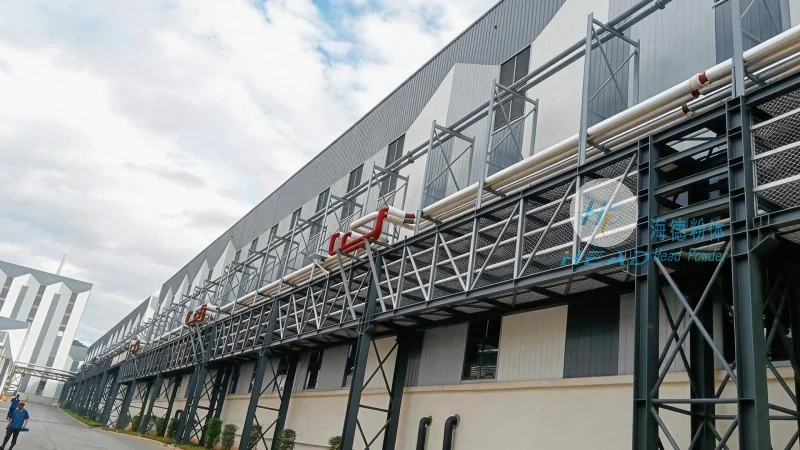
Introduction to Calcium Carbonate Powder Pneumatic Conveying Machines
Calcium carbonate, commonly used in industries such as paper, plastics, and construction, is often handled as a fine powder. Traditional methods of transporting these powders, like bucket elevators or belt conveyors, may not be suitable due to the risk of dust, clogging, or material degradation. The calcium carbonate powder pneumatic conveying machine offers a solution by using air pressure to move the powder, reducing the need for mechanical contact and minimizing contamination risks. This system is particularly advantageous for handling abrasive or sensitive powders, ensuring consistent quality and process reliability.
Key Components and Design Principles
The calcium carbonate powder pneumatic conveying machine consists of several critical components that work in tandem to achieve efficient material transport. The primary parts include the hopper, which stores the calcium carbonate powder; the air compressor, which generates the necessary pressure for conveying; the conveying line, which transports the powder and air mixture; and the receiver, where the powder is deposited. The design of each component is tailored to handle the specific characteristics of calcium carbonate powder, such as its fineness, density, and flowability.
One of the core design principles is the use of a positive pressure system, where the air compressor pushes air into the conveying line, creating a pressure differential that propels the powder. This method is effective for short to medium-distance transport and is suitable for handling powders with low to moderate moisture content. The system can be configured as a dilute phase or dense phase conveyor, depending on the application requirements. Dilute phase systems use lower air-to-powder ratios, while dense phase systems use higher ratios to ensure stable transport, especially for cohesive or sticky powders like calcium carbonate.
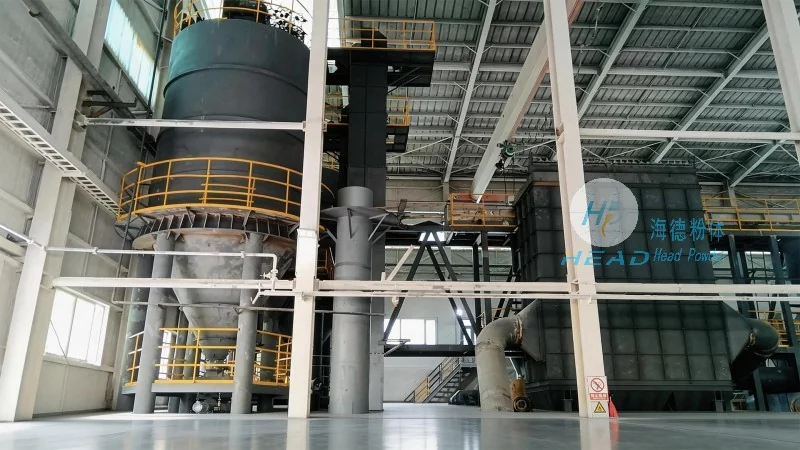
How the System Operates
The operation of a calcium carbonate powder pneumatic conveying machine begins with the loading of the calcium carbonate powder into the hopper. The air compressor then starts, generating a flow of compressed air that enters the conveying line. As the air flows through the line, it picks up the powder from the hopper and transports it to the receiver. The air and powder mixture is then separated in the receiver, typically using a cyclone or a filter, where the powder is collected and the air is either vented or recirculated. This process ensures that the powder is delivered to its destination without any loss or degradation.
Benefits and Advantages
Implementing a calcium carbonate powder pneumatic conveying machine offers several benefits for industrial operations. First, it reduces labor costs by automating the material handling process, eliminating the need for manual loading and unloading. Second, it minimizes product contamination by using enclosed systems, which prevent dust and other particles from entering the powder. Third, it improves process efficiency by maintaining consistent flow rates and reducing downtime due to clogging or blockages. Additionally, the system is compact and can be easily integrated into existing production lines, making it a flexible solution for various industrial settings.
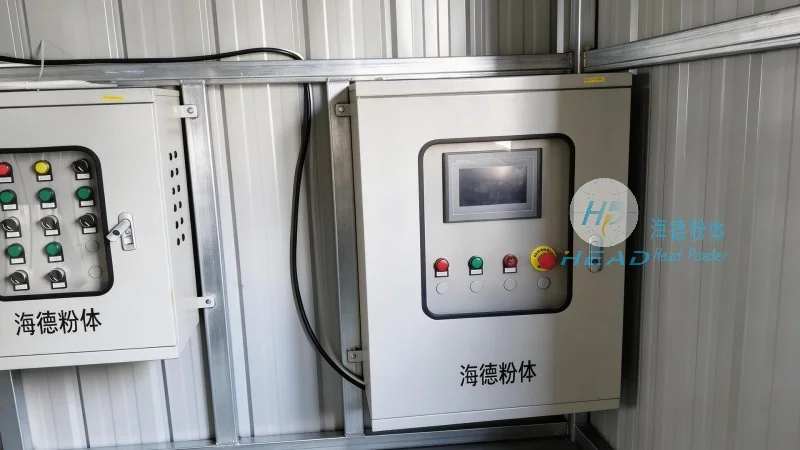
Applications in Industrial Settings
The calcium carbonate powder pneumatic conveying machine is widely used in industries that rely on calcium carbonate as a raw material. In the paper industry, it is used to transport calcium carbonate filler to paper machines, ensuring uniform distribution and improving paper quality. In the plastics industry, it is used to add calcium carbonate to polymer blends, enhancing the mechanical properties of the final product. In the construction industry, it is used to transport calcium carbonate for concrete production, improving the strength and durability of the concrete. The versatility of this system makes it suitable for a wide range of applications, from small-scale operations to large-scale industrial plants.
Maintenance and Considerations
To ensure the long-term performance and reliability of a calcium carbonate powder pneumatic conveying machine, regular maintenance is essential. This includes checking the air compressor for proper operation, inspecting the conveying line for blockages or wear, and cleaning the hopper and receiver to prevent powder buildup. It is also important to consider the specific properties of the calcium carbonate powder being handled, such as its moisture content and flowability, as these factors can affect the system's performance. Proper training for operators and regular system checks can help prevent issues and extend the equipment's lifespan.
Conclusion
In conclusion, the calcium carbonate powder pneumatic conveying machine is a highly effective solution for transporting fine powders like calcium carbonate in industrial applications. Its design, based on positive pressure and air flow, ensures efficient and reliable material handling while minimizing contamination and downtime. By understanding the key components and design principles, as well as the benefits and maintenance considerations, industries can make informed decisions about implementing this equipment to improve their production processes. For companies dealing with calcium carbonate powder, investing in a well-designed pneumatic conveying system can lead to significant improvements in efficiency, quality, and cost-effectiveness.