

[Coke and Limestone Powder Pneumatic Conveying Machine: Understanding Its Function and Design Princi
For industrial operations dealing with bulk materials like coke and limestone powder, efficient material handling is crucial. A key solution in this context is the coke and limestone powder pneumatic conveying machine, which offers a reliable method for transporting these powders through a pneumatic system. This article explores what this equipment is and delves into its fundamental design principles, providing insights into its functionality and practical applications. Developed by Shandong HeadPowder Engineering Co., Ltd., a leading manufacturer based in China, this equipment is designed to meet the specific needs of industries dealing with fine powders.
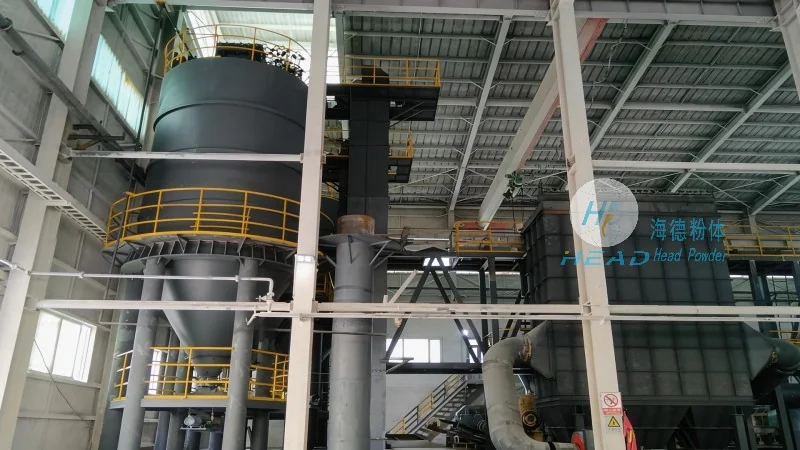
Introduction to Coke and Limestone Powder Pneumatic Conveying Machines
The coke and limestone powder pneumatic conveying machine is a specialized piece of industrial equipment designed to transport fine powders such as coke and limestone through an air-driven system. Unlike traditional mechanical conveyors, this machine utilizes compressed air to move the material, making it particularly suitable for handling dusty or abrasive powders that might be difficult to transport using conventional methods. The system typically consists of a hopper for material storage, a compressor to generate the air pressure, and a pipeline network that carries the material from the source to the destination. This design allows for a flexible and compact solution for material transport in various industrial settings.
Design Principles of the Pneumatic Conveying System
The core design principle of the coke and limestone powder pneumatic conveying machine revolves around the use of air as the conveying medium. The system operates on the principle of creating a pressure differential between the inlet and outlet of the pipeline. When compressed air is introduced into the hopper, it lifts the powder particles and propels them through the pipeline to the discharge point. The design must consider several critical factors to ensure efficient and reliable operation. These include the air velocity, which must be sufficient to keep the powder suspended but not so high as to cause excessive wear on the system components. The pipeline diameter and length are also carefully calculated to maintain the required air pressure and prevent material deposition or blockages. Additionally, the system incorporates features like air filters and moisture separators to maintain the quality of the conveyed material and protect the equipment from damage.
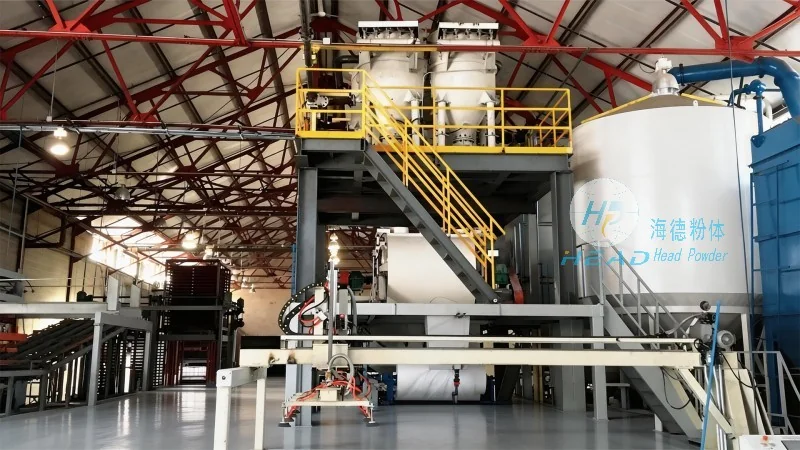
Key Components and Their Functions
Several key components work together to ensure the effective operation of the coke and limestone powder pneumatic conveying machine. The hopper serves as the material storage and feeding unit, ensuring a consistent supply of powder to the system. The compressor generates the necessary air pressure, which is regulated by a pressure control valve to maintain optimal operating conditions. The pipeline network, made of materials resistant to corrosion and abrasion, transports the material from the hopper to the discharge point. The discharge unit, often equipped with a rotary valve or a venturi system, controls the release of the material at the destination. These components are designed to work in harmony, ensuring smooth and continuous material transport without interruptions or blockages.
Advantages of Using Pneumatic Conveying for Coke and Limestone Powder
Implementing a coke and limestone powder pneumatic conveying machine offers several advantages over traditional material handling methods. One of the primary benefits is the ability to transport materials in a dust-free environment, which enhances workplace safety and reduces the risk of respiratory issues for operators. The system also provides a flexible and space-saving solution, as the pipeline can be routed along walls or ceilings, minimizing the need for additional floor space. Furthermore, pneumatic conveying allows for the transport of materials over longer distances without the need for multiple transfer points, improving overall operational efficiency. The system is also relatively easy to maintain, with components that are accessible and can be replaced or serviced as needed. These advantages make the pneumatic conveying machine an attractive option for industries dealing with coke and limestone powder.
Applications in Industrial Settings
The coke and limestone powder pneumatic conveying machine is widely used in various industrial applications where the handling of fine powders is essential. In the steel industry, for example, coke is a critical raw material used in blast furnaces, and the pneumatic conveying system ensures efficient transport from storage to the furnace. Similarly, in cement production, limestone powder is a key ingredient, and the system facilitates its transport from quarries or storage facilities to the production line. Other applications include chemical processing, where fine powders are used in various manufacturing processes, and mining operations, where materials are transported between different processing stages. The versatility of the system makes it suitable for a wide range of industrial needs, providing a reliable solution for material handling in diverse environments.
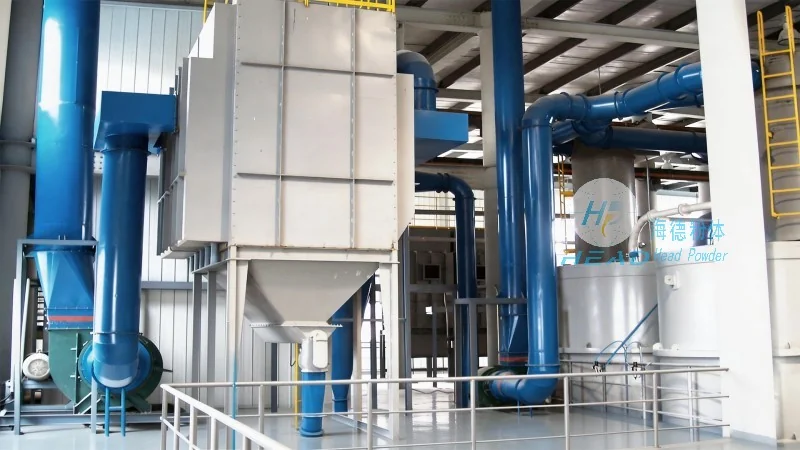
Maintenance and Operational Considerations
To ensure the longevity and efficiency of the coke and limestone powder pneumatic conveying machine, proper maintenance and operational considerations are essential. Regular maintenance tasks include checking the air compressor for proper pressure and performance, inspecting the pipeline for any signs of wear or blockages, and cleaning the air filters and moisture separators to prevent clogging. The system should also be inspected for any leaks in the pipeline or connections, as even small leaks can affect the air pressure and material transport efficiency. Operational considerations include monitoring the air velocity and pressure to ensure they remain within the optimal range, and adjusting the system as needed based on changes in material properties or processing requirements. By following these maintenance and operational guidelines, the system can operate at peak performance, minimizing downtime and maximizing material transport efficiency.
Conclusion
In conclusion, the coke and limestone powder pneumatic conveying machine is a sophisticated and efficient solution for transporting fine powders in industrial settings. Its design, based on pneumatic principles, offers numerous advantages over traditional material handling methods, including dust-free operation, flexibility, and space-saving benefits. The system's components work together to ensure reliable and continuous material transport, making it an essential equipment for industries dealing with coke and limestone powder. With proper maintenance and operational management, this equipment can provide long-term value and contribute to improved operational efficiency in various industrial applications.