

What is a Dust Collector Gas-Pneumatic Conveyor? And What Are Its Design Principles?
Understanding the dust collector gas-pneumatic conveyor is essential for industries dealing with airborne particulate matter. This equipment plays a crucial role in efficiently collecting and transporting dust and other fine particles from industrial processes. The design principles behind such conveyors are intricate, combining engineering expertise with practical application to ensure optimal performance.
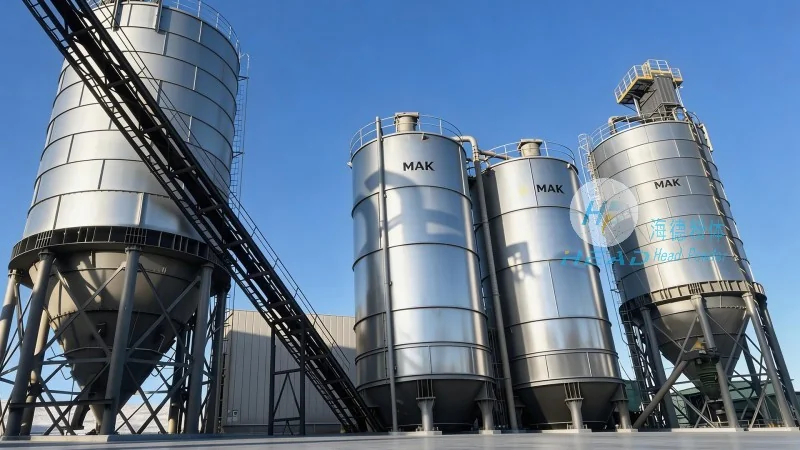
HeadPowder, a leading manufacturer in the field, specializes in providing high-quality dust collection and material handling solutions. Based in Shandong, China, Shandong HeadPowder Engineering Co., Ltd. has established itself as a trusted name in the industry, delivering reliable equipment that meets the stringent demands of modern manufacturing environments.
What is a Dust Collector Gas-Pneumatic Conveyor?
A dust collector gas-pneumatic conveyor is a system designed to capture airborne dust and particulate matter using a combination of vacuum or pressure systems. The primary function is to collect dust from a source, such as a production line or industrial process, and then transport it to a designated collection point, like a hopper or storage container. This type of conveyor is particularly effective for handling fine, dry powders and dust that might otherwise be difficult to manage with traditional methods.
Design Principles of the Dust Collector Gas-Pneumatic Conveyor
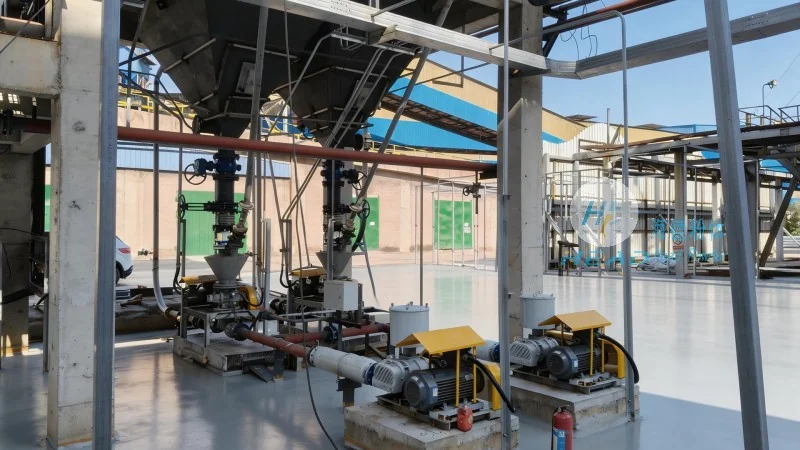
The design of a dust collector gas-pneumatic conveyor is based on several key principles to ensure efficient operation. First, the system relies on the creation of a vacuum or pressure differential to draw or push the material through the conveyor line. The components typically include a dust collector (or vacuum pump), a hopper or collection chamber, a series of pipes or ducts, and a separation system to clean the air before it is released back into the environment. The design must consider factors such as the particle size, density, and moisture content of the material being handled, as well as the required flow rate and distance of transport. Engineers must balance these variables to create a system that is both effective and energy-efficient.
Key Components and Their Function
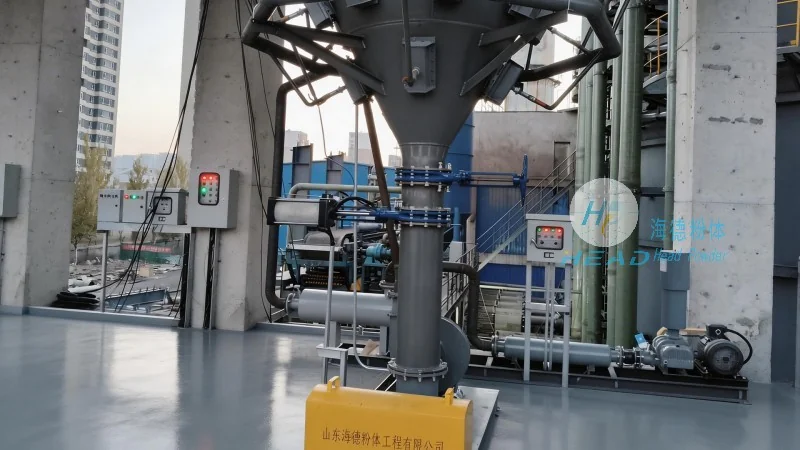
The effectiveness of a dust collector gas-pneumatic conveyor is largely determined by its components. The dust collector, often equipped with filters or cyclones, is responsible for capturing the dust particles from the air stream. The hopper or collection chamber stores the collected material, preventing it from being re-released into the environment. The conveyor line, made of materials like stainless steel or plastic, is designed to withstand the abrasive nature of the material being transported. The separation system, which may include a baghouse or cartridge filter, ensures that the air is cleaned before it is discharged, complying with environmental regulations. Each component works in tandem to create a seamless and efficient process.
Efficiency and Reliability in Industrial Applications
For industries such as pharmaceuticals, food processing, and manufacturing, the dust collector gas-pneumatic conveyor offers significant advantages. It provides a clean and safe working environment by removing airborne contaminants, which can improve employee health and productivity. The system’s ability to handle fine powders without clogging or loss is particularly valuable, as it reduces material waste and operational downtime. Additionally, the design allows for easy integration into existing production lines, minimizing the need for major structural changes. The reliability of the equipment, with proper maintenance, ensures consistent performance over long periods, making it a cost-effective solution for dust management.
Conclusion
In summary, the dust collector gas-pneumatic conveyor is a sophisticated piece of equipment that combines dust collection and material transport into a single system. Its design principles, rooted in engineering and practical application, enable it to handle a wide range of particulate materials efficiently and reliably. As a leading manufacturer, Shandong HeadPowder Engineering Co., Ltd. continues to innovate and improve these systems, providing industries with solutions that meet their specific needs. By understanding the design and functionality of this equipment, businesses can make informed decisions to enhance their operational efficiency and environmental compliance.