

What is a Graphite Pneumatic Conveying System? Understanding Its Design Principles
Graphite pneumatic conveying systems are specialized equipment used for the efficient transport of graphite materials through a pipeline using air or other gas as the conveying medium. These systems are widely utilized in various industrial applications due to their ability to handle fine powders and granules with minimal product degradation. As a leading manufacturer in the field, Shandong HeadPowder Engineering Co., Ltd. specializes in designing and producing high-quality graphite pneumatic conveying systems tailored to meet the specific needs of different industries.
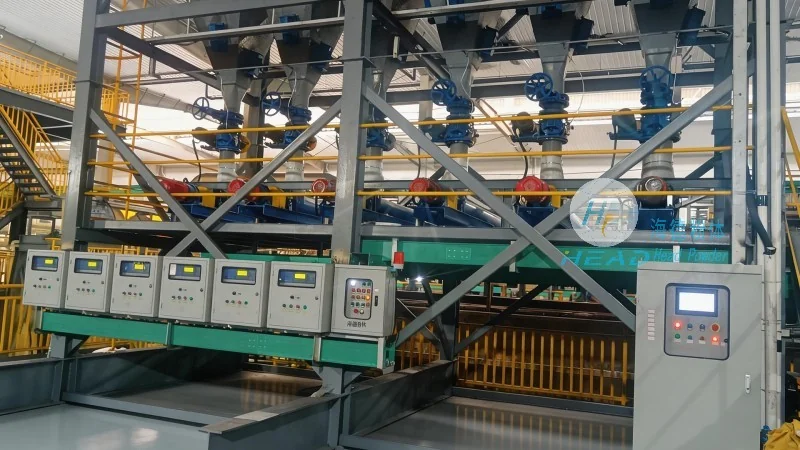
Introduction to Graphite Pneumatic Conveying Systems
Graphite, a versatile and widely used material in industries such as refractories, lubricants, and electronics, often requires precise and controlled transportation from processing sites to end-use applications. Traditional methods like manual handling or mechanical conveyors may not be suitable for fine graphite powders due to issues like dust generation, material segregation, and contamination. Pneumatic conveying systems offer a solution by utilizing compressed air to move graphite particles through a sealed pipeline, ensuring a clean, efficient, and safe transfer process.
Key Components of a Graphite Pneumatic Conveying System
The core of any graphite pneumatic conveying system consists of several critical components that work in concert to ensure optimal performance. The primary components include a material feeder, which accurately meters the graphite feed into the conveying line; a conveying pipeline, typically made of materials resistant to graphite's chemical properties; a pressure vessel or receiver to collect the conveyed material; and a control system to regulate air flow and pressure. Additionally, systems may incorporate accessories like cyclones for material separation, filters to remove air contaminants, and vacuum or pressure units depending on the specific conveying requirements.
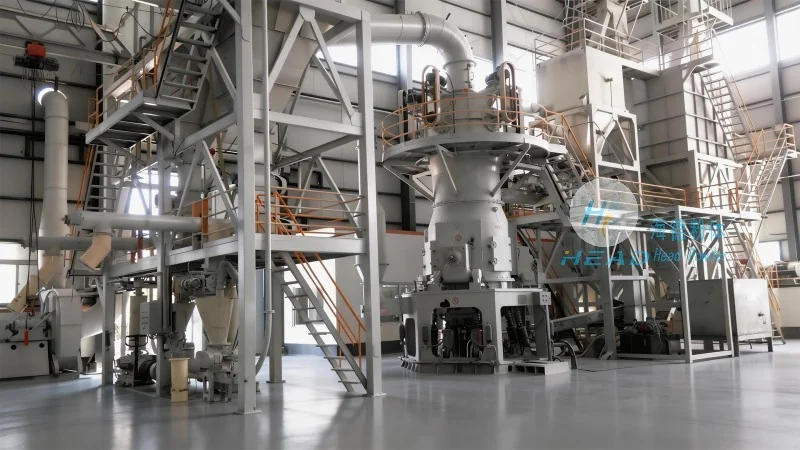
Design Principles and Operational Mechanisms
The design of a graphite pneumatic conveying system is governed by several key principles aimed at maximizing efficiency and minimizing operational issues. One of the fundamental principles is the selection of the appropriate conveying velocity, which must be sufficient to prevent particle settling but not excessive to cause excessive wear on the pipeline or equipment. The system's design also considers the particle size distribution and density of the graphite material, as these factors influence the required air velocity and pressure. For instance, fine graphite powders may require higher air velocities to maintain suspension, while larger granules might necessitate lower velocities to avoid blockages. The system's layout, including the number and placement of feed points, bends, and expansions, is carefully engineered to minimize pressure losses and ensure smooth material flow. Furthermore, the materials used for the pipeline and components are chosen to resist corrosion and abrasion caused by graphite particles, ensuring long-term durability and reliability.
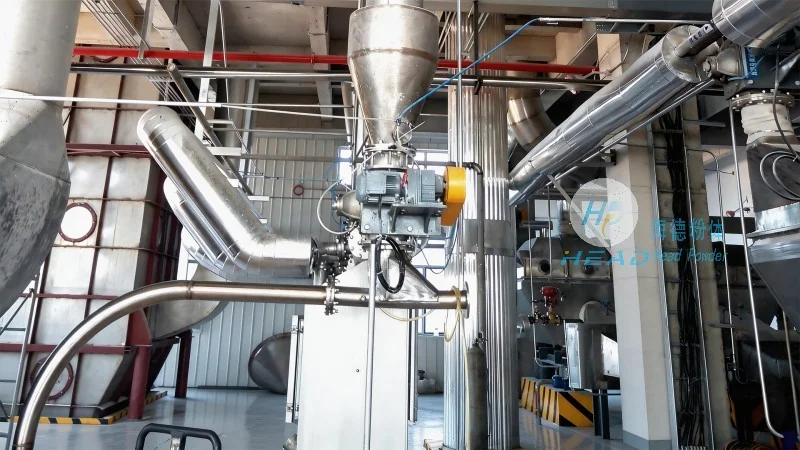
Advantages of Using Graphite Pneumatic Conveying Systems
Graphite pneumatic conveying systems offer numerous advantages over traditional conveying methods, making them the preferred choice for many industrial applications. One of the most significant benefits is the ability to handle fine and abrasive graphite powders without causing product degradation or contamination. The sealed pipeline design prevents dust exposure, reducing health hazards and environmental pollution. Additionally, these systems provide high transport efficiency, allowing for the rapid and continuous movement of materials over long distances. The compact design of the equipment saves space in industrial facilities, and the automated control systems enhance operational safety and consistency. Furthermore, the flexibility of pneumatic conveying allows for easy integration with existing production lines and the ability to adjust conveying rates as per production demands.
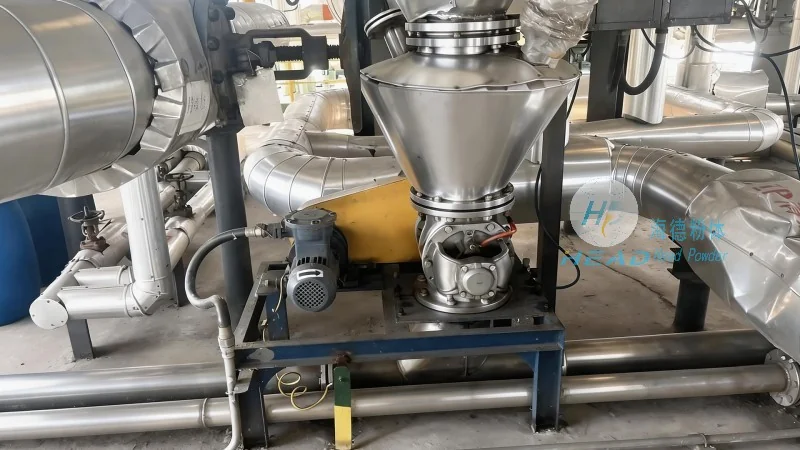
Applications in Different Industries
Graphite pneumatic conveying systems find extensive applications across various industries due to the diverse uses of graphite. In the refractory industry, these systems are used to transport graphite powders for the production of high-temperature refractory materials, ensuring uniform material distribution and quality control. In the lubricant industry, they help in conveying graphite-based lubricants to manufacturing facilities, maintaining the purity of the product. The electronics industry also benefits from these systems when handling graphite powders for use in electrodes and other components, where precision and cleanliness are paramount. Other applications include the chemical industry for transporting graphite-based additives and the aerospace industry for handling specialized graphite materials used in high-performance components.
Customization and After-Sales Support from Shandong HeadPowder Engineering Co., Ltd.
Shandong HeadPowder Engineering Co., Ltd., with its expertise in graphite processing and conveying technology, offers customized solutions tailored to the unique requirements of each client. The company's engineers work closely with customers to understand their specific material characteristics, conveying distances, and operational conditions to design a system that meets all performance and safety standards. The company provides comprehensive after-sales support, including installation guidance, maintenance services, and technical assistance to ensure the long-term reliability and efficiency of the installed systems. With a commitment to quality and customer satisfaction, Shandong HeadPowder Engineering Co., Ltd. stands as a trusted partner for industries seeking reliable and efficient graphite pneumatic conveying solutions.