

What is a Starch Pneumatic Conveyor? What is its Design Principle?
Starch pneumatic conveyors are industrial equipment designed to transport starch and related powders through a system using air pressure. These systems are essential in various industries, including food processing, pharmaceuticals, and chemical manufacturing, where the efficient and hygienic handling of starch is critical. The primary function of a starch pneumatic conveyor is to move bulk starch from one location to another without direct human contact, ensuring product purity and operational efficiency.
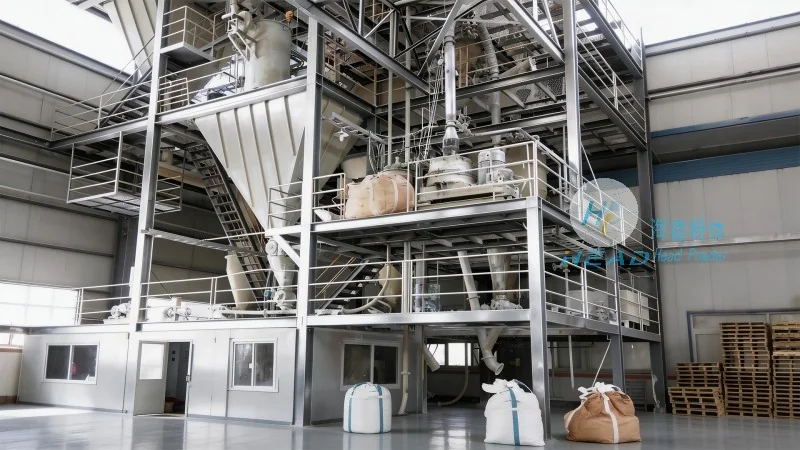
About HeadPowder
HeadPowder, or Shandong HeadPowder Engineering Co., Ltd., is a leading manufacturer specializing in the design and production of pneumatic conveying systems. With a focus on quality and innovation, the company has established itself as a trusted partner in the starch processing industry. HeadPowder’s facilities are located in Shandong, China, where advanced manufacturing processes and rigorous quality control ensure that each conveyor system meets the highest industry standards.
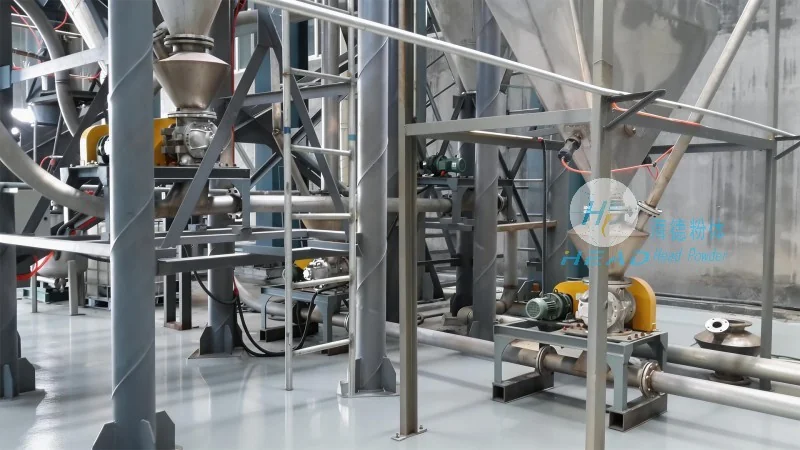
Design Principles of Starch Pneumatic Conveyors
The design of a starch pneumatic conveyor is based on the principles of pneumatic transport, which utilize air to move particulate materials. There are two main types of pneumatic conveying systems: dilute-phase and dense-phase. Dilute-phase systems use low air velocity to transport starch particles in a relatively low concentration, making them suitable for short to medium-distance transport. Dense-phase systems, on the other hand, use higher air pressure and lower velocity to move starch in a higher concentration, ideal for longer distances or when product degradation must be minimized. The choice between these systems depends on factors such as the starch’s characteristics, the required transport distance, and the need for product protection.
Key Features and Benefits
Starch pneumatic conveyors offer several advantages over traditional conveying methods. These include reduced labor costs, as the system automates the movement of starch, minimizing manual handling. Additionally, the enclosed design of the conveyor prevents contamination from external sources, maintaining the purity of the starch. The systems are also flexible, allowing for easy integration into existing production lines. HeadPowder’s conveyors are engineered to handle different starch types, including corn starch, potato starch, and tapioca starch, ensuring compatibility with a wide range of applications.
How Starch Pneumatic Conveyors Work
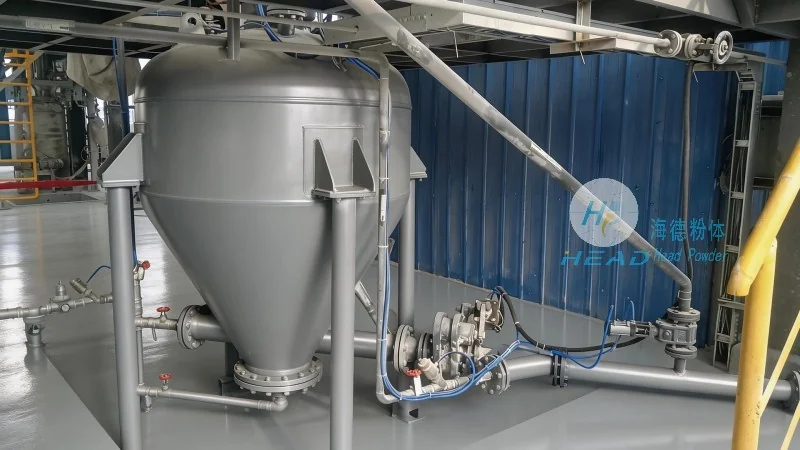
The operation of a starch pneumatic conveyor involves several key components: a hopper for material storage, a conveyor line (usually a pipe), an air compressor to generate the necessary air pressure, and a control system to regulate the flow. The process begins when starch is fed into the hopper. The air compressor then generates a flow of air through the conveyor line, which lifts and transports the starch particles. The air velocity is carefully controlled to ensure that the starch moves smoothly without causing excessive wear on the system components. At the destination, the starch is discharged into a receiving container, and the air is filtered and recycled back to the system, reducing energy consumption and operational costs.
Conclusion
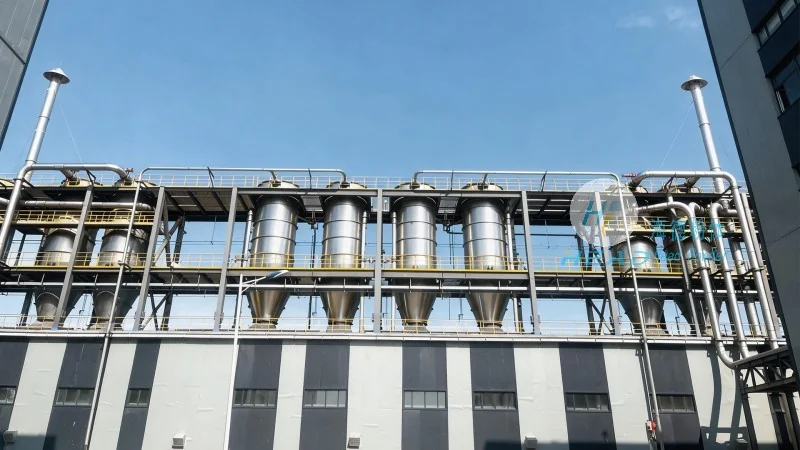
Starch pneumatic conveyors are a vital component in modern starch processing operations, providing efficient, hygienic, and cost-effective material handling solutions. HeadPowder Engineering Co., Ltd., with its expertise and commitment to quality, offers reliable and customized pneumatic conveying systems tailored to the specific needs of starch manufacturers. By leveraging advanced design principles and robust manufacturing processes, HeadPowder ensures that its conveyors meet the highest standards of performance and durability, supporting the long-term success of its clients in the starch industry.