

What is a Mine Pneumatic Conveying System? What Are Its Design Principles?
For mining operations, efficient material transport is crucial to maintaining productivity and safety. A mine pneumatic conveying system offers a reliable solution for moving bulk materials like ore, rock, and other minerals from one location to another within a mine site. This technology eliminates the need for traditional conveyor belts or trucks, reducing operational costs and minimizing the risk of accidents. Understanding what a mine pneumatic conveying system is and its underlying design principles is essential for optimizing mining processes.
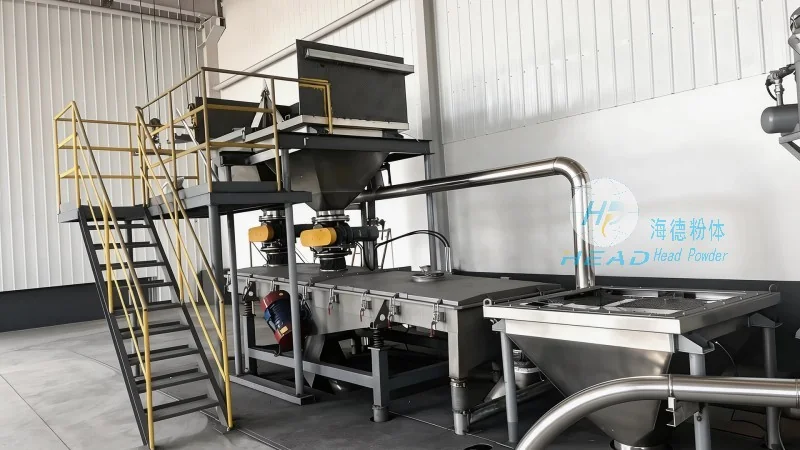
Introduction to Mine Pneumatic Conveying Systems
A mine pneumatic conveying system is a mechanical system that uses compressed air or other gases to transport bulk materials through a pipeline. Unlike traditional mechanical conveyors, which rely on gravity or mechanical components to move materials, pneumatic systems utilize air pressure to propel particles through a sealed pipeline. This method is particularly advantageous in underground mining environments where space is limited and the need for dust control is paramount.
About HeadPowder: A Leading Provider of Mining Equipment
HeadPowder, a prominent name in the mining equipment industry, specializes in the design, manufacturing, and supply of advanced pneumatic conveying systems. With a strong presence in Shandong, China, HeadPowder has established itself as a trusted partner for mining companies worldwide. The company’s commitment to quality, innovation, and customer satisfaction has made it a go-to choice for those seeking reliable and efficient material handling solutions.
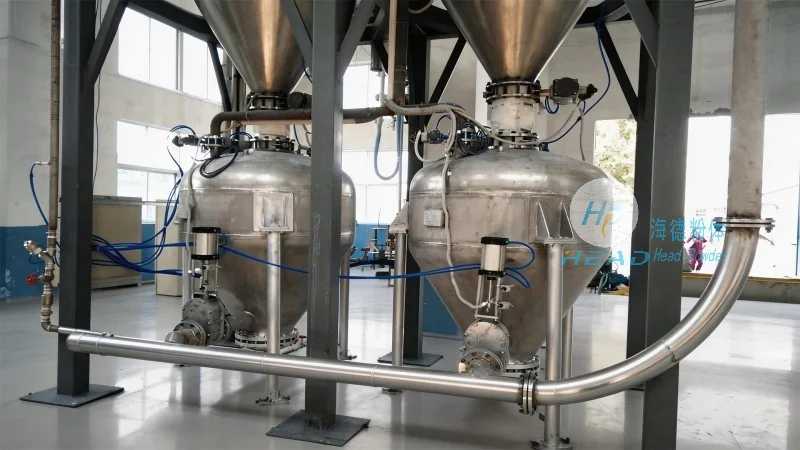
What Is a Mine Pneumatic Conveying System?
At its core, a mine pneumatic conveying system consists of several key components that work in tandem to transport materials. The system typically includes a material feeder, a compressor or air source, a pipeline network, and a receiver or discharge unit. The material feeder loads the bulk material into the system, while the compressor generates the necessary air pressure to move the particles through the pipeline. The pipeline, often made of durable materials like stainless steel or high-density polyethylene, ensures that the material is transported safely and efficiently. The receiver then collects the material at the destination point.
Key Design Principles of Mine Pneumatic Conveying Systems
The design of a mine pneumatic conveying system involves several critical principles to ensure optimal performance and reliability. First, the system must be designed to handle the specific characteristics of the material being transported, such as particle size, density, and moisture content. This includes selecting the appropriate pipeline diameter, air velocity, and pressure levels to prevent blockages and ensure smooth flow. Second, the system must be equipped with effective dust control measures, as pneumatic conveying can generate significant dust in mining environments. This is typically achieved through the use of filters and cyclones that capture and remove dust particles from the air stream. Third, the system must be designed for easy maintenance and repair, with accessible components and robust construction to withstand the harsh conditions of a mine site.
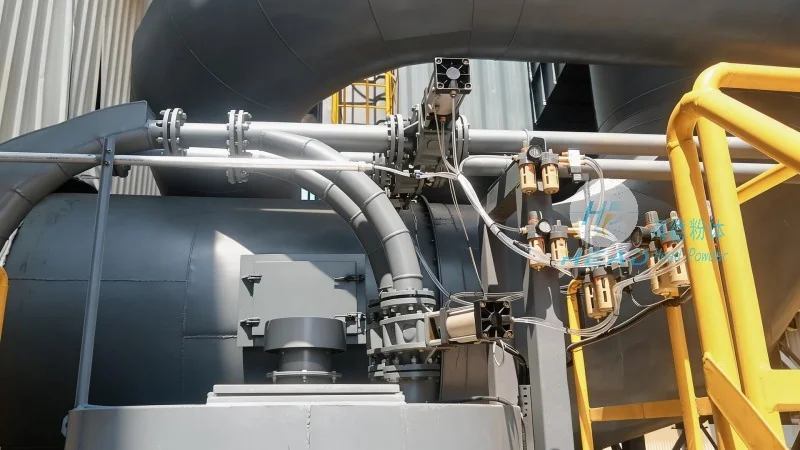
Components and Their Functions
Each component of a mine pneumatic conveying system plays a vital role in the overall operation. The material feeder, for example, is responsible for feeding the bulk material into the system at a consistent rate. This ensures that the system operates efficiently and prevents overloading or underloading. The compressor or air source provides the necessary pressure to move the material through the pipeline. The choice of compressor type, such as positive displacement or centrifugal, depends on the specific requirements of the system, including the material characteristics and the distance to be covered. The pipeline network connects the feeder to the receiver and is designed to minimize pressure loss and maintain consistent air velocity. The receiver, or discharge unit, collects the material at the end of the pipeline and may include features like a hopper or silo to store the material until it is further processed.
Advantages of Mine Pneumatic Conveying Systems
Compared to traditional material handling methods, mine pneumatic conveying systems offer several advantages. One of the most significant benefits is the reduction in labor costs, as the system can operate automatically with minimal human intervention. This also minimizes the risk of accidents, as there are no moving parts or heavy machinery involved in the material transport process. Additionally, pneumatic systems are highly flexible, allowing for easy reconfiguration of the pipeline network to accommodate changes in the mine layout or material flow requirements. The system also provides better dust control, which is crucial for maintaining a safe and healthy working environment in underground mines.
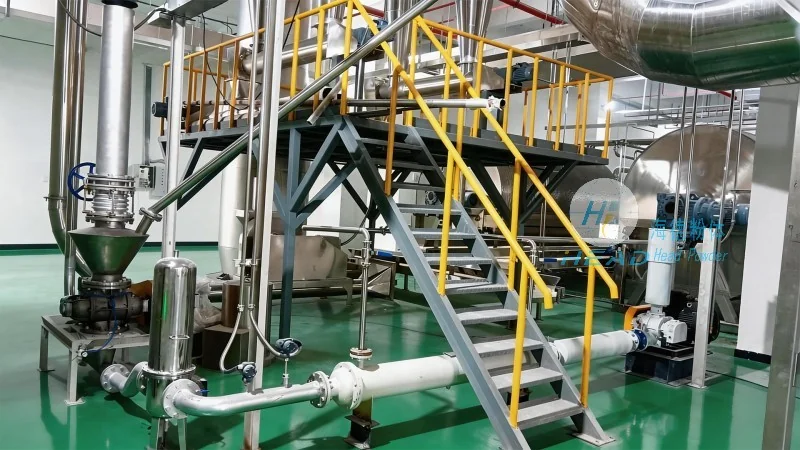
Applications in Mining Operations
Mine pneumatic conveying systems are widely used in various mining operations, including underground and surface mines. They are particularly effective for transporting materials over long distances or through complex layouts, such as vertical shafts or horizontal tunnels. The system is commonly used to move ore from the mine face to processing facilities, or to transport waste rock from the mine to disposal sites. In some cases, pneumatic systems are also used to transport materials between different levels of a mine, such as from an underground mine to a surface processing plant.
Conclusion: The Importance of Reliable Pneumatic Conveying Systems
In conclusion, a mine pneumatic conveying system is a critical component of modern mining operations, offering efficient, safe, and cost-effective material transport solutions. The design principles and components of these systems are carefully engineered to meet the specific needs of mining environments, ensuring optimal performance and reliability. With the expertise of companies like HeadPowder, mining operations can benefit from advanced pneumatic conveying systems that enhance productivity and improve safety. As mining technology continues to evolve, the importance of reliable material handling systems like pneumatic conveying will only grow, making them an essential investment for any mining company.