

What is an Asbestos Powder Pneumatic Conveying Machine? And What Are Its Design Principles?
Asbestos powder pneumatic conveying machines are specialized industrial equipment engineered to safely and efficiently transport asbestos powder through pneumatic systems. These machines are essential in applications where asbestos materials need to be moved without direct human contact, ensuring compliance with safety and environmental regulations. The primary function of such machinery is to utilize air pressure or vacuum to move fine powder particles, which are often hazardous if mishandled. By employing pneumatic transport, these machines eliminate the risks associated with manual handling and mechanical conveyors, providing a safer and more efficient solution for asbestos powder management.
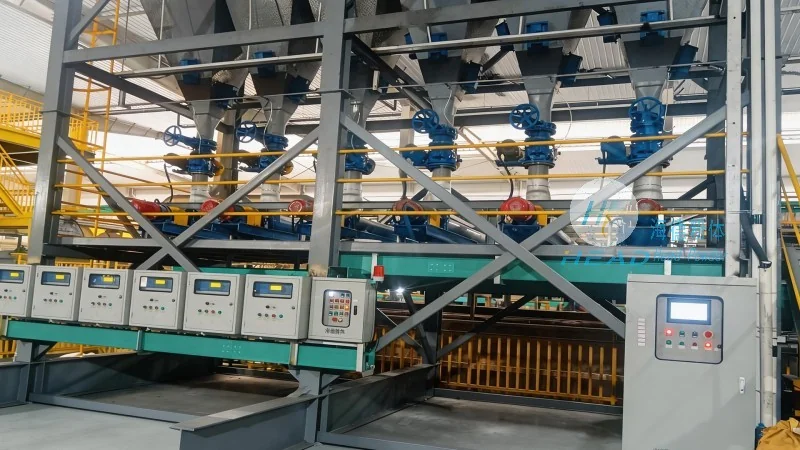
Key Components and Working Principle
The design of an asbestos powder pneumatic conveying machine comprises several critical components that work together to achieve effective operation. These components typically include a material hopper for storage, a conveying pipeline system, a blower or vacuum pump to generate air flow, and a control system to regulate the transport process. The working principle centers on creating a pressure differential: when the blower operates, it draws air into the pipeline and forces it through the hopper, where the asbestos powder is introduced. The air flow then carries the powder particles through the pipe to the destination, such as a storage silo or processing unit. This method avoids mechanical parts like belts or buckets, reducing contamination risks and mechanical failures.
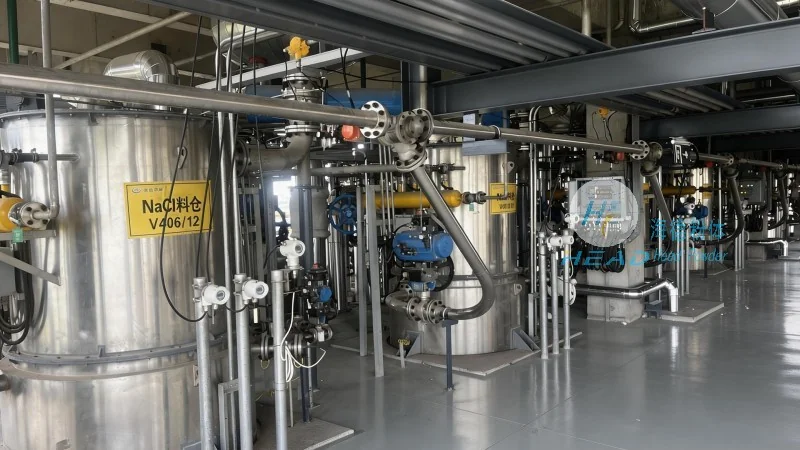
Design Principles for Safety and Efficiency
Designing an asbestos powder pneumatic conveying machine requires adherence to key principles to ensure both safety and operational efficiency. First, the machine must be constructed from corrosion-resistant materials, such as stainless steel or other alloys, to withstand the abrasive nature of asbestos powder and maintain hygiene. Second, effective dust control measures, including filtration and sealing systems, are integral to prevent asbestos fiber release into the environment, protecting operators and the ecosystem. Third, safety features like interlocks and monitoring systems are essential to prevent operation during empty hoppers or obstructions, ensuring compliance with regulatory standards. These design elements collectively enhance the machine's reliability and safety in hazardous material handling.
Applications and Benefits in Industrial Settings
Asbestos powder pneumatic conveying machines are widely used in industries processing asbestos-based products, such as insulation or roofing materials. Their applications include material transfer from production lines to storage facilities or processing units. The benefits of using these machines include reduced human exposure to asbestos, increased operational efficiency through automation, and lower costs compared to traditional methods. Additionally, the pneumatic system allows precise control over flow rate and direction, ensuring consistent product quality. This level of control is vital in industries where product uniformity is critical.
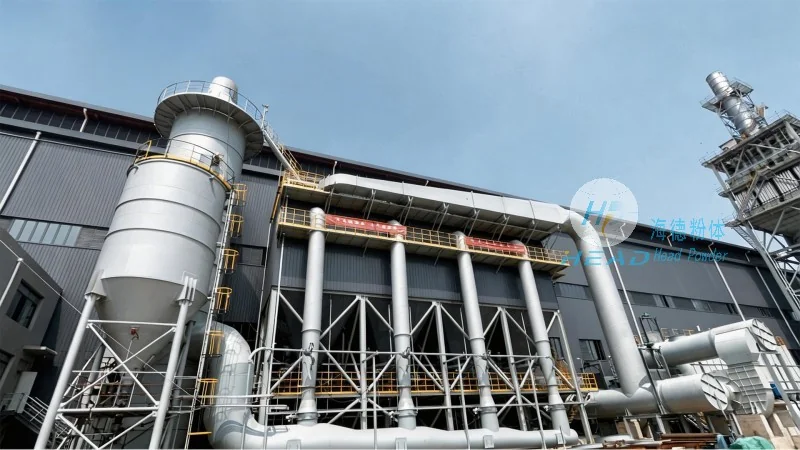
Company Profile: Shandong HeadPowder Engineering Co., Ltd.
HeadPowder, a leading manufacturer of industrial material handling equipment, specializes in producing asbestos powder pneumatic conveying machines. HeadPowder is headquartered in Shandong, China, and has established itself as a trusted provider of high-quality machinery tailored to diverse industrial needs. The company focuses on innovation and safety, continuously improving its products to meet evolving market demands and regulatory requirements. HeadPowder's facilities are equipped with advanced technology and skilled professionals who ensure each machine is built to rigorous quality and reliability standards. With a commitment to customer satisfaction and environmental responsibility, HeadPowder serves industries requiring safe and efficient handling of hazardous materials like asbestos.