

What is a Chromic Oxide Pneumatic Conveyor? Understanding Its Design Principles
Chromic oxide, a vital chemical compound widely used in various industrial applications, often requires efficient and reliable handling systems to ensure safe and effective processing. Among the advanced solutions available, the chromic oxide pneumatic conveyor stands out as a sophisticated piece of equipment designed to transport this material with precision and minimal risk. This article delves into the fundamental aspects of chromic oxide pneumatic conveyors, exploring their operational mechanics and the underlying design principles that make them indispensable in modern industrial settings.
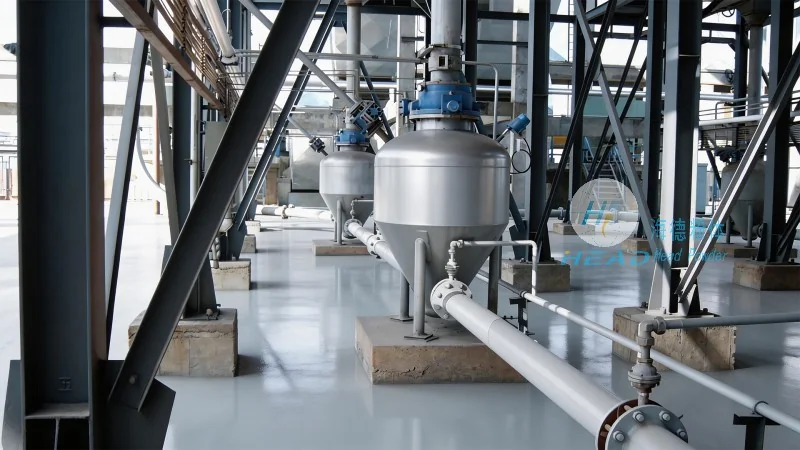
Introduction to Chromic Oxide Pneumatic Conveyors
Chromic oxide, with its chemical formula CrO₃, is a deep red or orange crystalline solid that serves as a key component in the production of pigments, dyes, and other chemical products. Handling this material poses unique challenges due to its abrasive nature and potential health hazards if not managed properly. Traditional methods, such as manual or mechanical conveyors, may not provide the necessary safety and efficiency. The chromic oxide pneumatic conveyor addresses these challenges by utilizing air pressure to transport the material, offering a closed-loop system that minimizes exposure and contamination risks.
How Chromic Oxide Pneumatic Conveyors Work
The core functionality of a chromic oxide pneumatic conveyor revolves around the principle of air-driven transport. The system typically consists of a hopper, a venturi or eductor, and a discharge point, all connected by a pipeline. The process begins when the chromic oxide is fed into the hopper. As compressed air is introduced into the venturi, it creates a low-pressure zone that draws the material into the pipeline. The air and material mixture then travels through the pipeline to the discharge point, where the material is separated from the air and collected. This air-driven mechanism allows for the safe and efficient movement of chromic oxide over long distances, even in complex layouts.
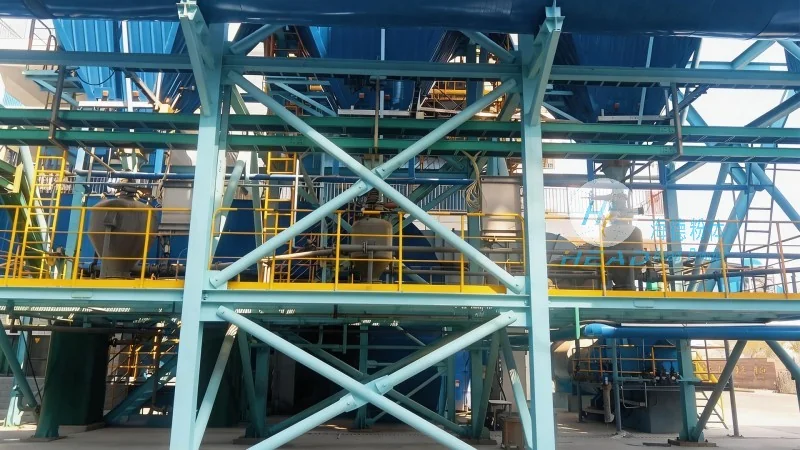
Key Design Principles of Chromic Oxide Pneumatic Conveyors
The design of a chromic oxide pneumatic conveyor is guided by several critical principles aimed at optimizing performance, safety, and durability. First, the system must be constructed from materials that are resistant to corrosion and chemical attack, as chromic oxide is highly reactive and can degrade many common materials. Stainless steel or specialized alloys are commonly used for the hopper, pipeline, and other components to ensure longevity and maintain material integrity. Second, the air pressure and flow rate must be carefully controlled to prevent material degradation or blockages. Proper sizing of the venturi and pipeline diameter is essential to maintain consistent flow rates and avoid excessive pressure drops that could lead to system inefficiencies or equipment damage. Third, the conveyor must incorporate effective dust control and filtration systems to comply with environmental regulations and protect personnel from inhalation hazards. These systems typically include cyclone separators and high-efficiency particulate air (HEPA) filters, which capture fine particles and return clean air to the system or exhaust it safely.
Advantages of Using Chromic Oxide Pneumatic Conveyors
Implementing a chromic oxide pneumatic conveyor offers numerous advantages for industrial operations. One of the most significant benefits is the reduction in human exposure to the material, as the closed-loop system minimizes direct contact and inhalation risks. This not only enhances workplace safety but also reduces the need for extensive personal protective equipment (PPE), streamlining operations and improving overall efficiency. Additionally, the air-driven design allows for the transport of chromic oxide over long distances without the need for complex mechanical components, such as rollers or belts, which can be prone to wear and maintenance. This simplicity translates to lower operational costs and reduced downtime. The system also provides flexibility in layout, as the pipeline can be routed around obstacles or integrated into existing production lines, making it adaptable to various facility configurations. Furthermore, the closed system helps maintain the purity of the chromic oxide, preventing contamination from external sources and ensuring consistent product quality.
Applications in Industrial Settings
Chromic oxide pneumatic conveyors are widely utilized in industries where chromic oxide is a primary ingredient. In the pigment and dye manufacturing sector, these conveyors are essential for moving the material from storage to processing units, such as mixers or reactors. The consistent and controlled flow provided by the system ensures that the chromic oxide is mixed with other ingredients accurately, maintaining the desired color and quality of the final product. In the chemical processing industry, the conveyor is used to transport chromic oxide to reactors for further chemical reactions, where precise dosing is critical to avoid overexposure or underexposure. The reliability of the pneumatic system ensures that the material is delivered to the reaction site on time, preventing production delays. Additionally, in the production of specialized chemicals, such as those used in electronics or coatings, the conveyor helps maintain the purity of the chromic oxide, which is crucial for the performance of the final products.
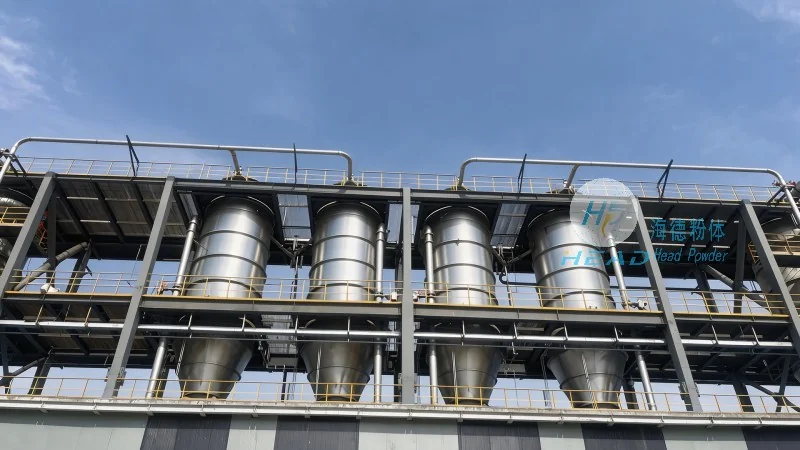
Maintenance and Operational Considerations
To ensure the longevity and optimal performance of a chromic oxide pneumatic conveyor, regular maintenance is essential. The system components, particularly the venturi and pipeline, should be inspected regularly for signs of wear or corrosion. Filters and cyclones must be cleaned or replaced as needed to maintain air quality and prevent blockages. The air compressor and pressure control systems should also be checked to ensure they are operating within the recommended parameters. Proper maintenance not only extends the life of the equipment but also minimizes the risk of system failures, which can lead to production disruptions. Additionally, operators should be trained on the proper use and safety procedures of the conveyor, including how to handle any potential leaks or spills of chromic oxide. This training is critical to maintaining a safe working environment and complying with occupational health and safety regulations.
Conclusion
In conclusion, the chromic oxide pneumatic conveyor is a sophisticated and essential piece of equipment for the safe and efficient handling of chromic oxide in industrial applications. By leveraging air pressure to transport the material, the system addresses the unique challenges associated with this chemical, including its abrasive nature and health hazards. The design principles, including corrosion-resistant materials, controlled air flow, and effective dust control, ensure that the conveyor operates reliably and safely. The advantages of using such a system, including enhanced safety, lower maintenance costs, and improved product quality, make it a valuable investment for any facility dealing with chromic oxide. As industrial processes continue to evolve, the chromic oxide pneumatic conveyor remains a key component in maintaining efficiency and safety in material handling operations.