

Nanometer Calcium Carbonate Pneumatic Conveying Equipment: Structure and Principle of Powder Handlin
HeadPowder, a leading manufacturer based in Shandong, China, specializes in advanced powder handling solutions. This article provides an in-depth look at the structure and operational principles of pneumatic conveying systems designed for transporting nanometer calcium carbonate, a critical component in various industrial applications.
Key Components of Pneumatic Conveying Systems
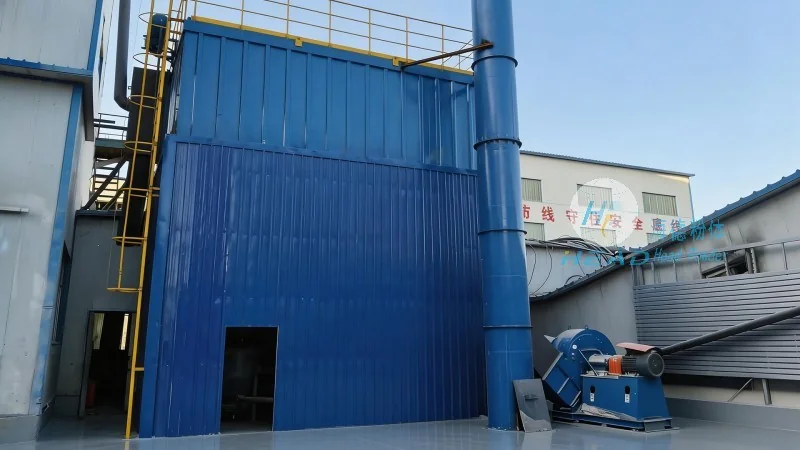
The core of a pneumatic conveying system for nanometer calcium carbonate consists of several essential components that work in tandem to ensure efficient material transport. These include the material hopper, which stores the calcium carbonate powder; the air compressor or blower, responsible for generating the airflow; the conveying line, typically made of stainless steel or other corrosion-resistant materials to handle the abrasive nature of the powder; and the control valves that regulate the flow of both material and air. Additionally, a filter system is integrated to capture any fine particles and maintain air quality, which is crucial for both operational safety and compliance with environmental standards.
Working Principle of Pneumatic Conveying
The operation of the system begins with the material being fed from the hopper into the conveying line. Simultaneously, the air compressor produces a high-pressure airflow that is introduced into the line. As the air flows through the line, it creates a low-pressure zone that draws the calcium carbonate particles into the stream. The combination of air velocity and particle size allows for the efficient suspension and transport of the powder over long distances. The system may employ different conveying modes, such as dilute phase or dense phase, depending on the specific requirements of the application. Dilute phase conveying is suitable for short to medium distances and lower particle concentrations, while dense phase conveying is used for longer distances or when handling more viscous materials.

Advantages of Pneumatic Conveying for Nanometer Calcium Carbonate
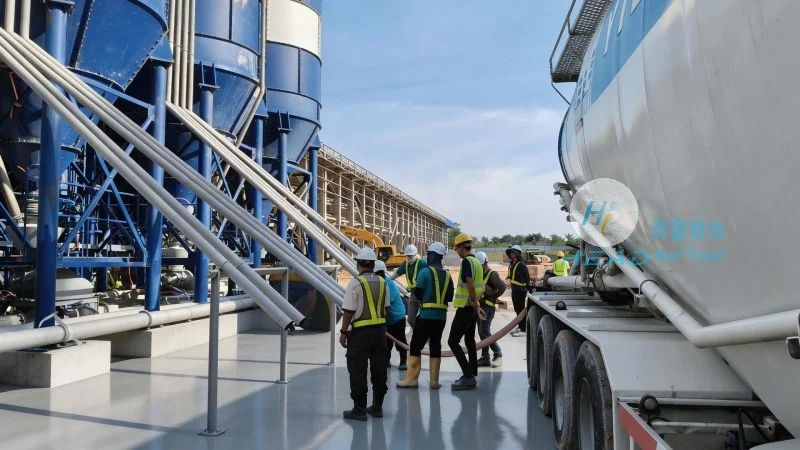
Utilizing a pneumatic conveying system for nanometer calcium carbonate offers several advantages over traditional methods like belt conveyors or bucket elevators. Firstly, it provides a completely enclosed system, minimizing dust emissions and ensuring a clean working environment. This is particularly important for calcium carbonate, which can generate fine particles that are hazardous if inhaled. Secondly, the system allows for precise control over the flow rate and pressure, enabling accurate dosing and reducing material waste. Thirdly, the absence of mechanical components in contact with the powder reduces wear and tear, leading to lower maintenance costs and longer equipment lifespan. Furthermore, the flexibility of pneumatic systems allows for easy integration with other processing equipment, such as mixers or reactors, streamlining production processes.
Applications and Considerations
Nanometer calcium carbonate is widely used in industries like plastics, paper, and coatings, where its fine particle size enhances product properties. The pneumatic conveying equipment from HeadPowder is tailored to meet the specific demands of these applications. For instance, in the plastic industry, the system ensures uniform distribution of the calcium carbonate filler, improving the mechanical strength and surface finish of the final product. In the paper industry, it helps maintain consistent quality by preventing agglomeration of the powder during transport. When selecting a pneumatic conveying system, several factors must be considered, including the particle size distribution of the calcium carbonate, the required conveying distance, and the desired flow rate. These factors influence the choice of conveying mode and the capacity of the air compressor. Additionally, the system must be designed to handle the potential moisture content in the calcium carbonate, as moisture can affect the material's flow characteristics and the overall efficiency of the conveying process.
Conclusion
HeadPowder's pneumatic conveying equipment for nanometer calcium carbonate represents a sophisticated solution for efficient and safe powder handling. By understanding the structural components and operational principles of these systems, industries can optimize their production processes while maintaining high standards of safety and environmental compliance. As a company based in Shandong, China, HeadPowder continues to innovate and provide tailored solutions to meet the evolving needs of the powder handling industry.