

Principle of Bamboo Powder Pneumatic Conveying System
HeadPowder, a leading engineering firm based in Shandong, China, specializes in the design and implementation of advanced pneumatic conveying systems tailored for bamboo powder handling. This article delves into the fundamental principles behind such systems, exploring how they efficiently transport fine bamboo powder materials through air pressure.
Understanding Pneumatic Conveying Technology
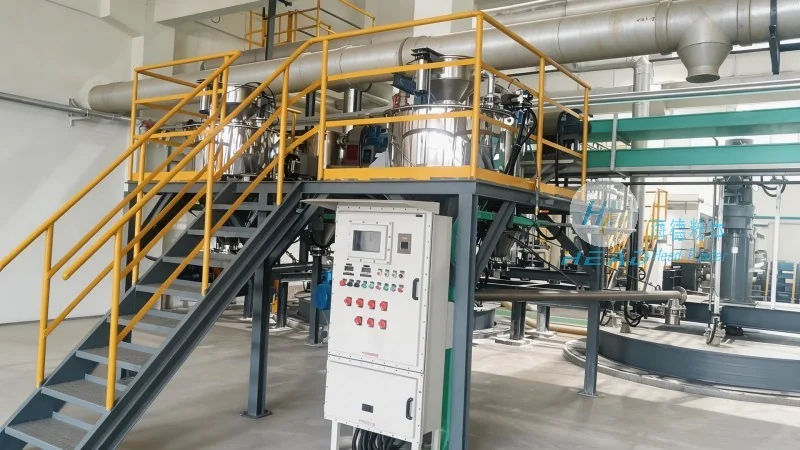
Pneumatic conveying systems utilize air or gas to transport bulk materials like bamboo powder from one location to another. The core mechanism involves creating a pressure differential that propels the powder particles through a pipeline. This method offers several advantages over traditional mechanical conveying, including reduced equipment wear, lower maintenance costs, and the ability to handle sensitive materials without degradation.
The Working Principle of Bamboo Powder Pneumatic Conveying
At the heart of a bamboo powder pneumatic conveying system is the combination of a feeding device, a conveying pipeline, and a separation unit. The process begins with the bamboo powder being fed into the system, typically via a hopper or a rotary valve. As the material enters the pipeline, it is mixed with compressed air, which then carries the powder through the system. The air pressure is carefully controlled to ensure consistent flow and prevent blockages. The system may use either positive pressure (where air pushes the powder) or negative pressure (where air pulls the powder), depending on the specific application and layout.
Key Components and Their Functions
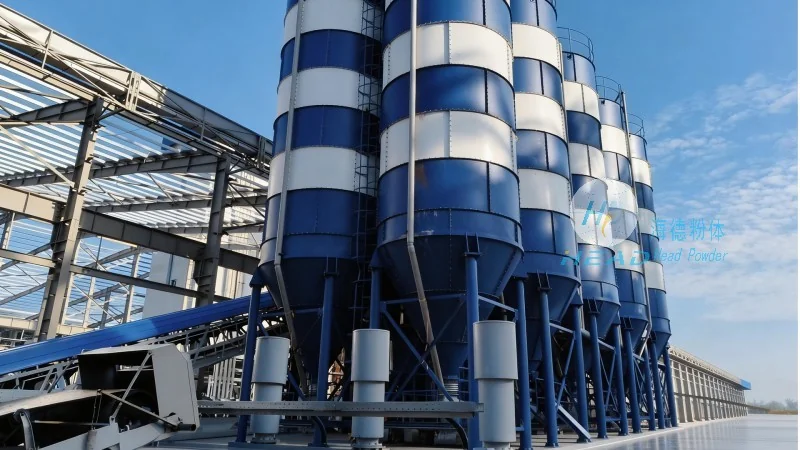
Several critical components work in tandem to ensure the smooth operation of a bamboo powder pneumatic conveying system. The feeding device is responsible for introducing the bamboo powder into the pipeline at a controlled rate, preventing overloading and ensuring a steady flow. The conveying pipeline is typically made of durable materials like stainless steel or plastic to withstand the abrasive nature of the powder and the pressure of the air. The separation unit, often a cyclone or a filter, separates the powder from the air at the end of the pipeline, allowing the air to be recycled and the powder to be collected in a storage bin or processing unit.
Advantages of Using Pneumatic Conveying for Bamboo Powder
Implementing a pneumatic conveying system for bamboo powder offers numerous benefits. First, it minimizes product contamination and degradation, which is crucial for maintaining the quality of bamboo powder used in various applications, such as paper production, animal feed, or biofuel. Second, the system is highly flexible, allowing for changes in material flow rates and pipeline layout without significant modifications. Third, it reduces labor costs by automating the material handling process, and it also lowers energy consumption compared to some other conveying methods. Additionally, the system is compact and can be integrated into existing production lines, making it a practical solution for many industrial settings.
Applications and Industries
Bamboo powder pneumatic conveying systems are widely used across various industries that rely on bamboo powder as a raw material. In the paper industry, these systems efficiently transport bamboo pulp to the processing units, ensuring consistent quality and production rates. In the animal feed sector, they help deliver bamboo powder to feed mills, maintaining hygiene and preventing dust accumulation. Similarly, in the biofuel industry, pneumatic conveying systems are used to transport bamboo powder to biomass processing plants, where it is converted into energy. The versatility of these systems makes them suitable for a range of applications, from small-scale operations to large industrial facilities.
Customization and Design Considerations
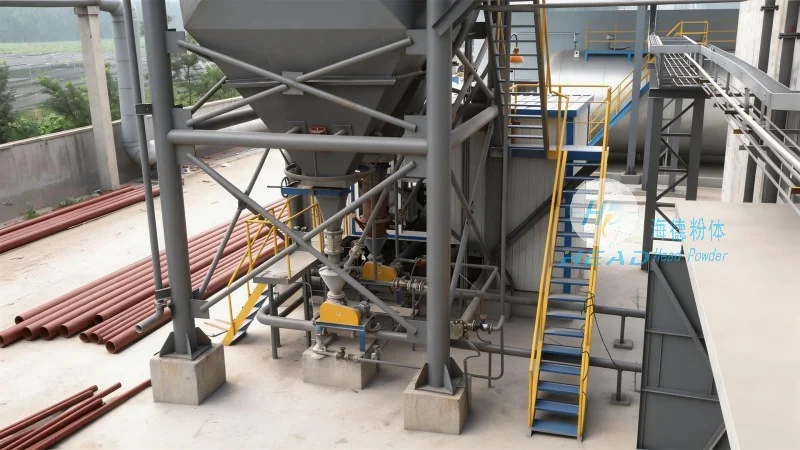
HeadPowder, with its expertise in engineering, provides customized pneumatic conveying solutions tailored to the specific needs of each client. The design process involves a thorough analysis of the bamboo powder characteristics, such as particle size, moisture content, and flowability, as well as the operational requirements of the facility. Engineers at HeadPowder consider factors like the distance to be covered, the required flow rate, and the available space to develop an optimal system. The company also ensures compliance with industry standards and regulations, providing reliable and efficient solutions that meet the highest quality and safety requirements.
Conclusion
HeadPowder Engineering Co., Ltd., based in Shandong, China, is a trusted provider of pneumatic conveying systems for bamboo powder applications. By leveraging advanced technology and engineering expertise, the company delivers efficient, reliable, and cost-effective solutions that enhance the performance of industrial processes. The principles and components of bamboo powder pneumatic conveying systems, as outlined in this article, demonstrate the effectiveness of this method in handling fine materials while maintaining product quality and operational efficiency. For businesses seeking to optimize their bamboo powder handling processes, HeadPowder offers tailored solutions that meet their specific needs and contribute to overall operational success.